

More news on this day
Tokyo’s MoN Takanawa, branded as the Museum of Narratives, is emerging as a flagship cultural project within the new Takanawa Gateway City district, with planners expecting it to anchor a fresh wave of urban cultural tourism in Japan’s capital.
Get the latest news straight to your inbox!
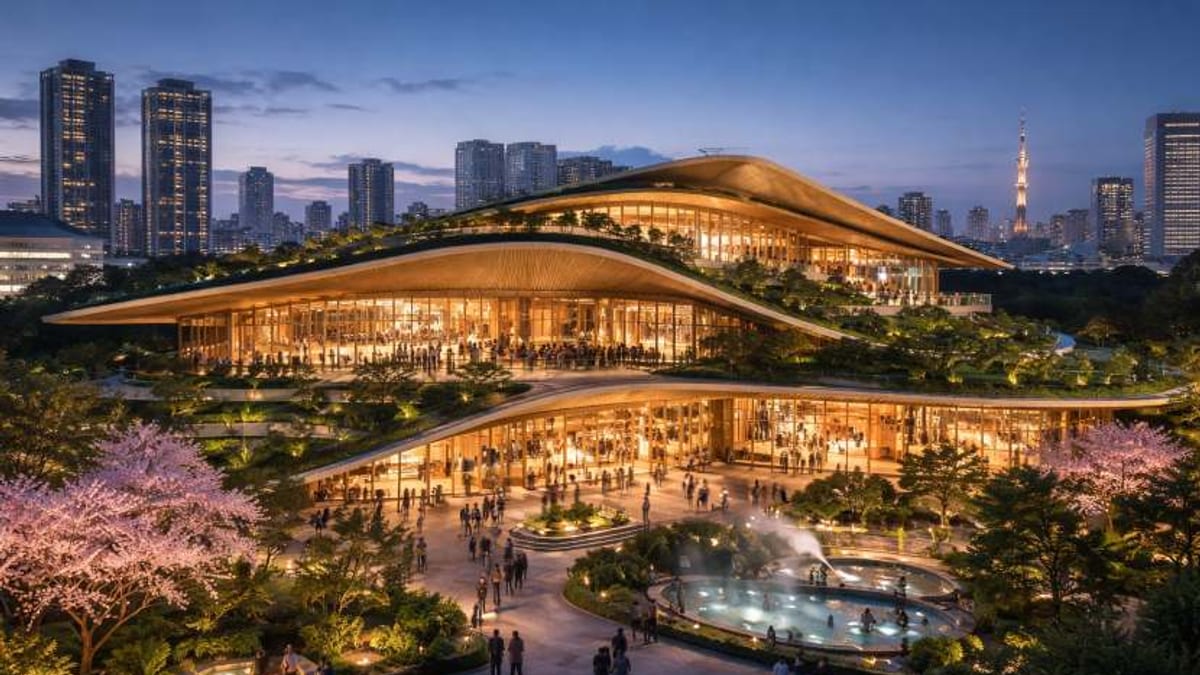
Image by Latest International / Global Travel News, Breaking World Travel News
A Museum of Narratives in a New Urban District
MoN Takanawa is taking shape inside Takanawa Gateway City, a large mixed-use development on the former Shinagawa rail yard site in Minato Ward. Publicly available information describes the museum as a “Museum of Narratives,” conceived to weave together stories of Japanese culture through people, objects and ideas in a highly interactive environment.
The wider Takanawa Gateway City project, led by East Japan Railway Company, is billed in local coverage as one of the largest integrated station-area redevelopments in the country. Offices, hotels, residences, retail and convention facilities are being clustered around the new Takanawa Gateway Station to create a walkable urban campus, positioning MoN Takanawa as the cultural heart of the district.
Reports indicate that the museum will operate as more than a traditional gallery space. Plans highlight theatres, flexible event zones, studios and terraces designed to host performances, workshops and seasonal programs. That format is intended to encourage repeat visitation and longer dwell times, a key goal for developments seeking to build destination appeal rather than simple pass-through traffic.
The site’s history is also being folded into the narrative. The district sits on ground once used by Japan’s first railway infrastructure, and planning documents describe MoN Takanawa as a bridge between eras, linking the industrial past of Shinagawa with a technology-forward future.
Opening Timeline and Visitor Experience
According to recent travel and industry coverage, MoN Takanawa is scheduled to open to the public in late March 2026, following phased openings of other Takanawa Gateway City components. The timing positions the museum to capture interest from both domestic visitors and the steadily recovering international tourism market.
The official project site outlines a visitor journey built around immersion rather than passive viewing. Early materials describe multi-sensory exhibitions, large-scale projections and interactive media blending art, science and technology. The museum’s theatres and “Box” spaces are expected to host experimental programming, including live narrative performances that extend beyond conventional museum talks or film screenings.
In addition to permanent and rotating exhibits, MoN Takanawa is being framed as a platform for collaborative projects with artists, technologists and cultural institutions. Published plans suggest that short-run events, festivals and cross-genre collaborations will be central to its operation, signalling an institution that shifts with the city’s cultural calendar rather than adhering to fixed seasonal cycles.
Practical considerations for visitors appear to be a core design element. The development is directly connected to Takanawa Gateway Station on two major JR lines, placing the museum a short train ride from Tokyo Station and Shinagawa’s Shinkansen services. This level of access is likely to make MoN Takanawa a convenient add-on to existing itineraries for inbound travellers.
Boosting Cultural Tourism in Southern Tokyo
Analysts of Tokyo’s tourism landscape point out that major museum clusters have traditionally been concentrated in areas such as Ueno, Roppongi and Sumida. By contrast, the Shinagawa and Takanawa waterfront has been known more for business districts, rail infrastructure and hotels serving transit passengers.
MoN Takanawa is therefore seen as a strategic attempt to rebalance visitor flows within the city. By pairing a large-scale cultural institution with new hotels, convention facilities and public spaces, planners aim to turn southern Tokyo into a stay-worthy cultural stop rather than merely a transit node for Shinkansen and airport access.
Travel features profiling upcoming Tokyo attractions highlight MoN Takanawa alongside other 2025 and 2026 openings, noting that culture-driven redevelopment is becoming a competitive tool among global cities. For Tokyo, which has experienced a rapid recovery in international arrivals, expanding cultural capacity around key transport hubs is viewed as a way to support longer stays and higher local spending.
Local tourism promotion materials already reference Takanawa Gateway City as a future “cultural campus,” suggesting that MoN Takanawa will be integrated into broader walking routes that link waterfront parks, heritage sites and new urban plazas. This integrated planning is expected to appeal to visitors seeking compact, walkable districts where dining, shopping and cultural experiences sit within a short radius.
Technology, Storytelling and Global Audiences
Coverage in design and travel publications emphasizes MoN Takanawa’s ambition to fuse storytelling with cutting-edge technology. Early visuals and descriptions highlight digital installations, adaptive lighting and projection systems that can be reconfigured for different narratives and events, positioning the museum as a flexible platform rather than a static venue.
The focus on “narratives” aligns with wider trends in global museum design, where institutions are moving toward visitor-centred storytelling that foregrounds experience and personal connection. In the case of MoN Takanawa, the narrative framework is being used to connect traditional Japanese culture, seasonal changes and contemporary urban life, providing multiple entry points for first-time and repeat visitors.
International tourism media have begun listing MoN Takanawa among the world’s notable museum openings of 2026, often highlighting its integration into a larger live-work-play district. That positioning may help the museum attract visitors who plan itineraries around new architecture and urban concepts as much as specific exhibitions.
The project’s scale and location also raise its profile among global event planners. With convention facilities, hotels and outdoor spaces in the same complex, MoN Takanawa could become a venue for cultural conferences, creative industry gatherings and cross-border collaborations, further entrenching Tokyo’s role as a regional cultural hub.
Part of a Broader Museum and District Strategy
MoN Takanawa’s emergence fits into a broader pattern of cultural investments across Tokyo. Long-established institutions such as the Tokyo National Museum, the Tokyo Metropolitan Art Museum and the Edo-Tokyo Museum continue to anchor the city’s cultural offering, while new or renewed venues in areas like Roppongi, Toyosu and Sumida diversify the landscape.
Urban development observers note that large transport-linked districts are increasingly using cultural facilities as defining features. In Takanawa Gateway City, MoN Takanawa is described in planning documents as the symbolic core of a cultural creation zone that also includes performance venues, offices for creative companies and public plazas designed to host festivals.
For visitors, this clustering of functions may translate into itineraries that blend museum visits with waterfront walks, contemporary architecture tours and dining in newly developed streets. As more details about programming and partnerships emerge ahead of the 2026 opening, travel operators are likely to incorporate MoN Takanawa into themed routes that highlight Tokyo’s evolving mix of heritage and futuristic urbanism.
While final exhibition line-ups and long-term programming will only become clear closer to opening day, the museum’s design, location and stated mission already indicate a significant new draw for cultural tourism. For Tokyo, MoN Takanawa represents both a physical landmark and a test of how narrative-driven, technology-rich museums can shape the next era of city travel.