

More news on this day
Access to Monkstone Beach, a secluded cove near Saundersfoot in Pembrokeshire, has been closed following safety fears over the steep path leading down from the coastal hillside, affecting walkers and holidaymakers at the start of the spring tourism season.
Get the latest news straight to your inbox!
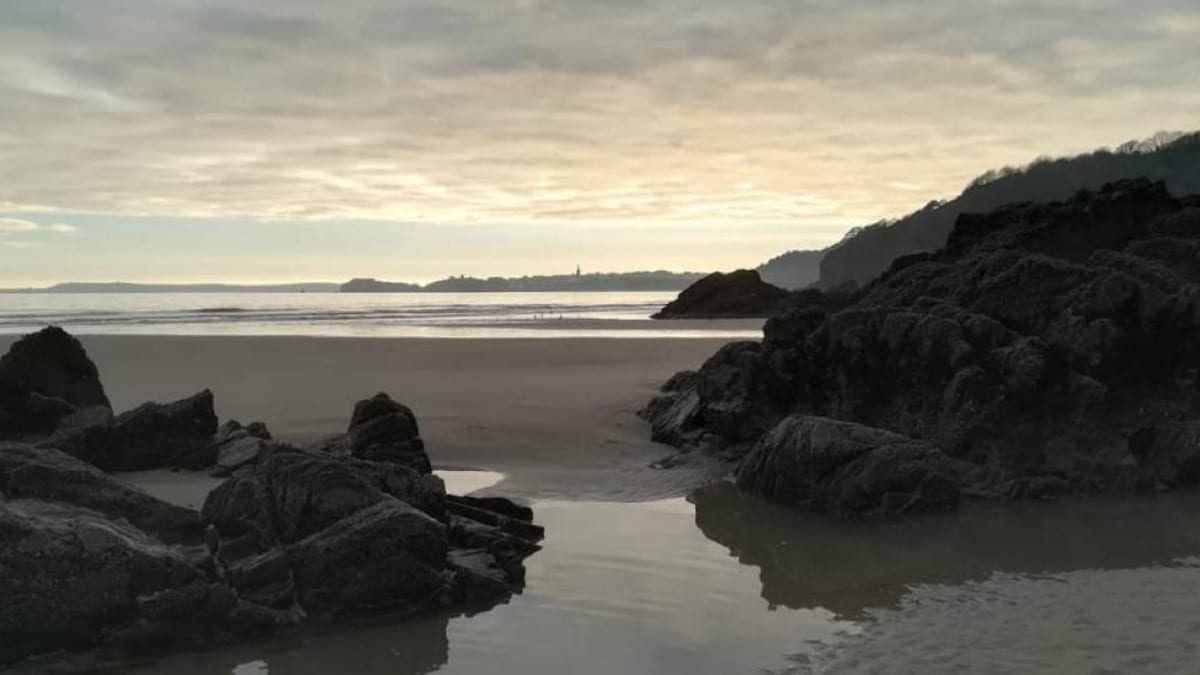
Image by The Western Telegraph
Access route shut amid concerns over unstable coastal path
Recent visitor information produced for the Pembrokeshire Coast National Park indicates that access to Monkstone Beach, located between Saundersfoot and Tenby, is currently closed because of safety concerns on the route down to the shore. The beach is normally reached via a steep path and steps from the clifftop, and the closure relates to the condition of this access rather than to the sand itself.
Reports suggest that recurring instability along the access path has raised particular concern. The route descends sharply from farmland and woodland to the shoreline, and winter weather is understood to have contributed to erosion and slippage in sections of the path, prompting the decision to restrict public use while the situation is assessed.
Publicly available documents from local coastal authorities highlight that Monkstone’s access has been monitored for some time because of its gradient and exposure to the elements. The latest closure formalises what had increasingly become a managed risk, and it brings the site into line with other coastal locations where access has been temporarily withdrawn when paths have become unsafe.
The move has immediate implications for walkers following this part of the Pembrokeshire Coast Path and for local accommodation providers who promote Monkstone as a quieter alternative to Saundersfoot’s main beach. With Easter and early spring breaks drawing more visitors to the area, the loss of direct access is being closely watched by the local tourism sector.
Impact on walkers, swimmers and local tourism businesses
Monkstone Beach has long been valued by regular visitors for its sense of seclusion, reached by a relatively demanding descent that tends to limit crowding even at busier times of year. The closure of the access path means that regular users, including wild swimmers, families and dog walkers, must now adjust their plans and rely on other stretches of the nearby coastline.
Travel information for the Saundersfoot area notes that the main village beach, Coppet Hall and Wiseman’s Bridge remain accessible, offering alternatives for day trippers who might otherwise have chosen Monkstone. However, the change alters the balance of visitor flows along this section of the coast, potentially concentrating more people onto a smaller number of open beaches during peak periods.
For local holiday parks, campsites and guesthouses that market Monkstone as a tranquil highlight within walking distance, the closure arrives at a sensitive moment. Many providers are entering one of their busiest times, and their promotional materials often feature the bay’s sheltered sands and rock pools as a draw for guests seeking a quieter experience than Saundersfoot’s central promenade.
Publicly available tourism guidance for the wider Pembrokeshire area typically stresses that access arrangements can change quickly on exposed coastal paths, particularly after winter storms. In the case of Monkstone, the current restriction is being viewed as part of that pattern, though its timing at the outset of the holiday season has sharpened attention on how long the closure may last.
Erosion, steep terrain and wider coastal safety concerns
Coastal management studies for West Wales have previously identified sections of the coast near Saundersfoot, including Monkstone, as locations where geology, wave action and heavy rainfall can combine to undermine slopes and paths. The steep nature of the descent to Monkstone makes it especially vulnerable when surface materials become saturated or when supporting structures begin to fail.
Across the United Kingdom, coastal authorities and land managers have increasingly restricted access to paths and beaches where erosion has created sudden drops, undercut steps or exposed loose rock. Recent examples in other coastal regions have seen paths fenced off or rerouted when inspections identified significant movement in cliff faces or the formation of hazardous voids close to popular trails.
In Pembrokeshire, managing visitor safety while preserving access to dramatic coastline is an ongoing challenge. Publicly available performance and planning reports frequently refer to the need for ongoing inspection of high use routes and for interventions where conditions deteriorate. Monkstone’s current closure sits within this broader pattern of precautionary measures, in which landowners and public bodies opt to act early rather than wait for a serious accident to occur.
Travel organisations advising visitors to Wales routinely recommend that walkers check local notices, visitor centre information and official maps before setting out, particularly where routes rely on structures such as steps, handrails and boardwalks. The situation at Monkstone is likely to reinforce that message for those planning cliff walks around Saundersfoot and neighbouring bays.
Advice for visitors heading to Saundersfoot and Tenby
With Monkstone’s access route currently unavailable, visitors planning trips to Saundersfoot and Tenby are being encouraged by local travel guides to focus on beaches and paths that remain fully open and clearly waymarked. Saundersfoot itself offers a broad, gently shelving sandy beach backed by shops and restaurants, while nearby locations such as Tenby North, South and Castle beaches provide additional options within a short drive or bus journey.
For those intending to walk sections of the Pembrokeshire Coast Path, publicly available mapping and guidebook updates show that the main trail can usually be followed without descending to Monkstone Beach. Walkers are advised to stay on designated cliff top routes, follow any diversion signs and avoid informal tracks that may appear to lead down towards the closed access points.
Safety guidance for coastal walking in the region continues to emphasise wearing suitable footwear for steep and potentially slippery terrain, checking tide times when planning any sections that approach the shoreline, and being prepared to adjust plans if barriers or closure notices are encountered. The situation at Monkstone serves as a reminder that paths and beach links can change status at short notice when conditions deteriorate.
Travel news outlets and regional tourism bodies are expected to monitor further updates on Monkstone’s access. Until formal information indicates that the route has been inspected, repaired and declared safe, visitors are being urged to respect closures and to enjoy the many other open stretches of Pembrokeshire coastline that remain accessible while conservation and safety work continues in more vulnerable spots.