

More news on this day
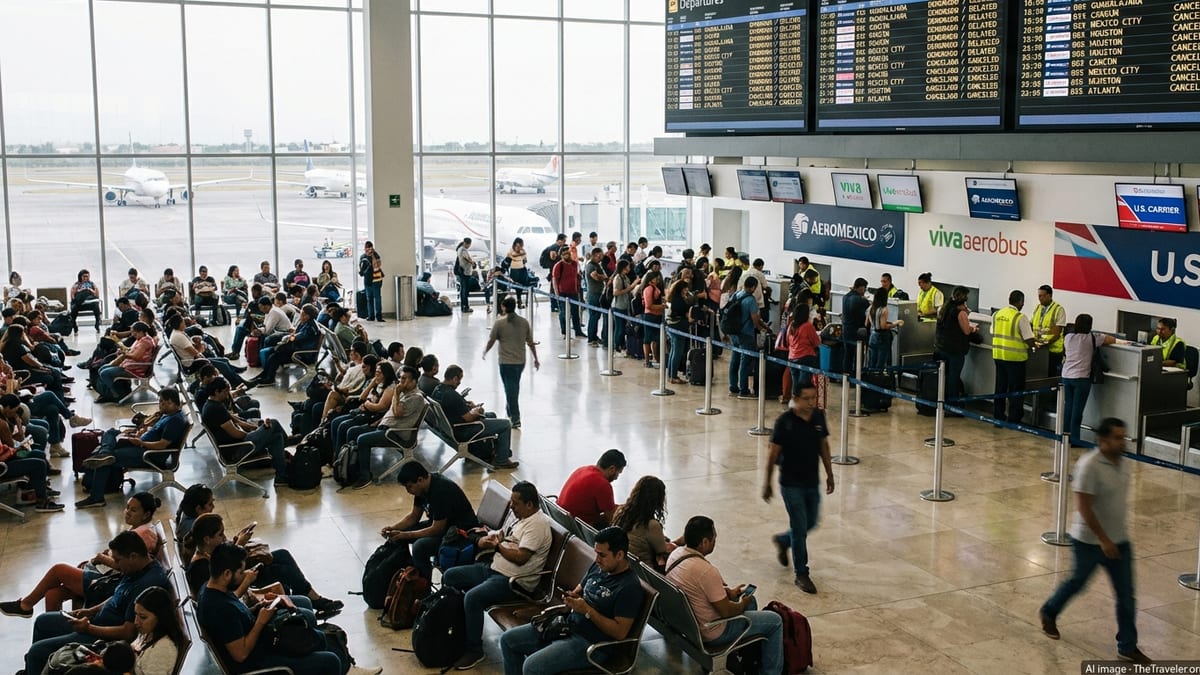
Passengers traveling through Monterrey’s General Mariano Escobedo International Airport on February 27 faced fresh disruptions as four flight cancellations and 15 delays affected routes to key Mexican leisure destinations and major United States cities, impacting operations for Aeromexico, Avianca, VivaAerobus and several U.S. carriers.
Operational Snags at a Key Northern Mexico Hub
The disruptions at General Mariano Escobedo International Airport, which serves Monterrey and the wider industrial region of Nuevo León, were concentrated in the morning and early afternoon departure banks. Airport data showed a total of four cancellations alongside 15 delayed flights, an elevated level for a facility that typically reports only minimal schedule changes at this time of year.
While most flights continued to operate, the cluster of delays strained gate availability and ground handling resources. Turnaround times lengthened as aircraft waited for connecting passengers and late-arriving crews, creating a ripple effect that extended into subsequent rotations. Airline staff worked to reassign equipment where possible in order to keep high-demand routes operating, particularly those serving Mexico City and cross-border connections to the United States.
The airport operator did not immediately attribute the disruptions to a single cause, but industry sources pointed to a mix of minor technical issues on individual aircraft, crew scheduling constraints and tighter operational margins during a busy late-winter travel period. Weather conditions around Monterrey remained generally favorable, suggesting that most of the day’s problems originated from within airline operations rather than external factors.
Mexican Leisure Routes Among Those Most Affected
Flights linking Monterrey to other major Mexican cities, notably Guadalajara, Cancún and Mexico City, were among the most affected by the day’s schedule changes. These routes form the backbone of domestic connectivity for northern Mexico, moving both business travelers and holidaymakers heading to and from coastal resorts and cultural hubs.
Several departures to Cancún and Guadalajara left the gate behind schedule as airlines waited for inbound aircraft arriving late from previous segments. Travelers reported boarding, deplaning and then reboarding in some instances as crews conducted additional technical checks, adding to frustration and uncertainty for passengers with tight connections further down their itineraries.
Services to Mexico City, one of the country’s busiest corridors, also reported longer-than-usual ground times. As flights between Monterrey and the capital feed onward links to Europe, South America and the Caribbean, even modest delays risk complicating the travel plans of passengers using the two cities as connection points. Airline staff advised affected travelers to remain in close contact with their carriers’ customer service channels for rebooking support.
Cross-Border Disruption Spreads to Major U.S. Gateways
The impact of the operational challenges in Monterrey extended across the border, affecting flights to major U.S. hubs including Houston, Dallas, Atlanta and Miami. These cities serve as key interchange points for Mexican travelers heading onward to domestic U.S. destinations and international routes to Europe and Asia.
Delays on northbound departures from General Mariano Escobedo led to a number of missed connections in the United States, particularly for passengers booked on tightly timed itineraries. Some travelers arriving late into U.S. gateways were rebooked on later flights the same day, while others faced forced overnight stays as onward options filled up.
U.S. carriers operating from Monterrey adjusted crew rosters and gate assignments in an effort to absorb the disruption without resorting to widespread cancellations. However, at least one northbound flight was scrubbed after incoming aircraft arrived significantly behind schedule, leaving passengers to queue at service counters for hotel vouchers and alternative routing.
Multiple Airlines Feel the Strain
A mix of Mexican and international carriers were caught up in the irregular operations. Low cost airline VivaAerobus, which maintains an extensive network from Monterrey, saw some of its departures pushed back as aircraft rotated through delayed segments. Flag carrier Aeromexico also reported knock-on delays on services feeding into its Mexico City hub, where tight turnaround windows left little room for recovery.
International operators were not spared. Colombian carrier Avianca, which links Mexico to Central and South America via connecting hubs, registered delays affecting passengers with onward itineraries beyond the region. Several U.S. airlines experienced schedule pressure on both their Monterrey services and the connecting flights those routes feed into, particularly in the afternoon bank of departures from major U.S. hubs.
Airlines emphasized that safety remained the overriding priority despite the operational strain. Technical inspections, crew rest requirements and airport operating limits were cited as non-negotiable factors, even when they contributed to extended waits for travelers. Carriers encouraged passengers to arrive early, monitor mobile apps for real-time gate and schedule updates and consider longer connection windows when planning itineraries through Monterrey in the near term.
Travelers Face Long Lines and Changing Plans
At General Mariano Escobedo International Airport, the day’s disruption translated into longer check in lines and crowded departure areas as travelers waited for updated information. Electronic displays shifted repeatedly as airlines revised estimated departure times, prompting some passengers to seek out customer service desks for reassurance and alternatives.
Families headed to beach vacations in Cancún reported anxiety over lost time at their destinations, while business travelers expressed concern about missing key meetings in Mexico City and U.S. cities such as Houston and Atlanta. Some passengers opted to reroute via alternative Mexican airports when available seats allowed, while others chose to delay their trips entirely.
Airport authorities reminded travelers that they retain certain rights in the event of significant delays or cancellations, particularly when disruptions are attributable to airline operations rather than weather or air traffic control mandates. Passengers were advised to keep boarding passes and receipts on hand and to document communications with carriers, as this information can be important when seeking compensation or refunds under applicable regulations.