

More news on this day
Monterrey is preparing for a fresh wave of Canadian visitors as Air Canada readies new seasonal nonstop flights from Vancouver for the 2026–27 winter, strengthening ties between Western Canada and northern Mexico’s leading industrial hub.
Get the latest news straight to your inbox!
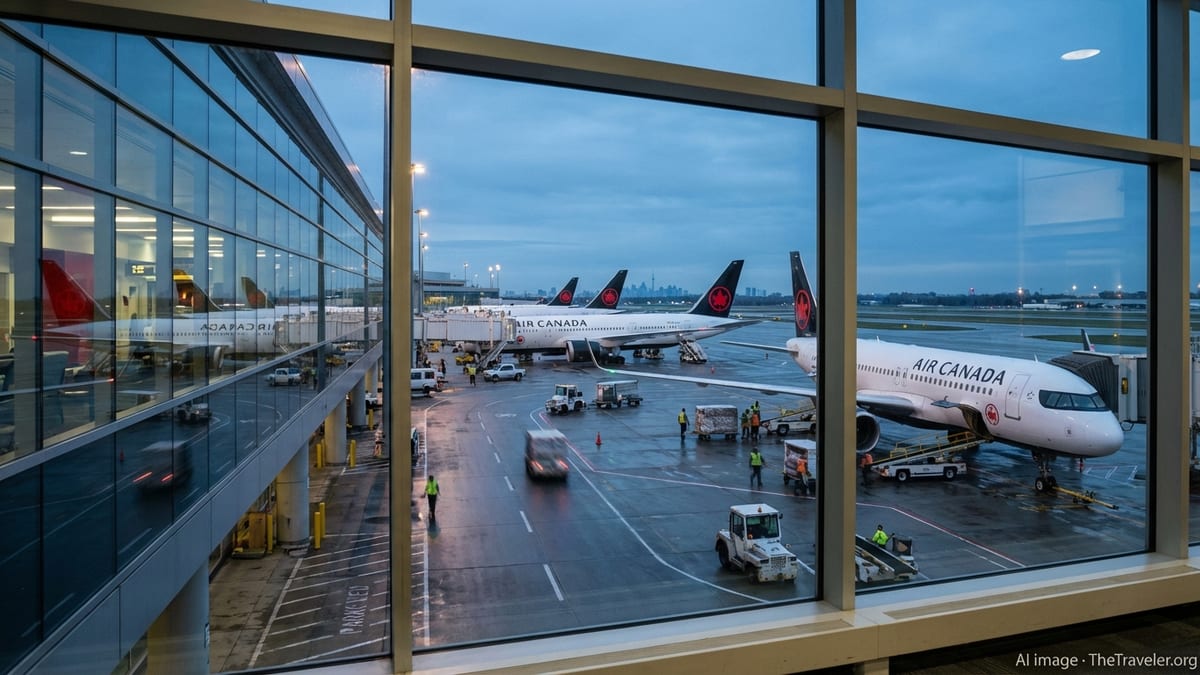
New Winter Route Links Vancouver and Monterrey
Publicly available information from airport operator Grupo Aeroportuario Centro Norte and recent schedule data indicates that Air Canada will introduce a new seasonal Vancouver–Monterrey service beginning in early December 2026, timed for the peak winter travel period. The flights will connect Vancouver International Airport with Monterrey International Airport, a key gateway for northern Mexico and the capital of the state of Nuevo León.
The new route is expected to operate during the winter season, complementing Air Canada’s existing Monterrey–Toronto service, which began regular operations in 2025. By adding a west coast link, the airline extends its Canadian network into Monterrey from both the country’s largest city and its Pacific gateway, reinforcing Monterrey’s growing role as an international connection point.
Monterrey’s airport operator has framed the service as part of a broader strategy to develop the city as one of Mexico’s principal air hubs. The Vancouver route, together with new links to destinations such as Bogotá and increased frequencies on domestic Mexican routes, positions Monterrey as a convenient north–south and east–west transfer point for travelers moving across the Americas.
For Vancouver, the flights contribute to a broader shift in winter capacity toward sun and leisure markets in Latin America. Industry coverage of Air Canada’s recent schedule updates highlights a continued emphasis on Mexico and other warm-weather destinations during the northern winter, even as certain transpacific and U.S. routes are reduced or reshuffled.
Boost for Tourism and Winter Sun Travel
The Vancouver–Monterrey link is expected to play directly into the strong demand from Canadian travelers for winter sun destinations. Travel analysis over recent seasons shows that routes from Vancouver to Mexican cities such as Cancun, Puerto Vallarta and Huatulco have been among Air Canada’s busiest seasonal services, with added frequencies and larger aircraft deployed during peak months.
Monterrey has traditionally attracted more business and industrial traffic than Mexico’s beach resorts, but tourism officials in Nuevo León have been promoting the city’s cultural, culinary and outdoor offerings, including nearby mountains and nature parks. The new nonstop option from Vancouver is likely to appeal to Western Canadians seeking a different type of Mexican getaway that blends city experiences with easy access to hiking and adventure tourism.
On the Canadian side, the route also supports inbound tourism. Mexican travelers benefit from more direct access to British Columbia’s winter attractions, including ski areas in the Coast and Interior mountains and urban leisure in Vancouver. Although recent Canadian visa policy changes have affected overall Mexican visitor numbers, airlines and airports continue to position winter flights as critical links for both visiting friends and relatives and holiday travel.
Travel market observers note that the addition of Monterrey to Vancouver’s winter lineup reflects a diversification trend beyond traditional resort destinations. By offering a mix of leisure and business appeal, the route may help smooth demand across weekdays and weekends, potentially supporting more stable seasonal operations.
Strengthening Business and Nearshoring Ties
Monterrey is widely recognized as one of Mexico’s most important industrial and financial centers, with a strong concentration of manufacturing, automotive, technology and logistics companies. Publicly available economic data for Nuevo León show significant foreign investment inflows in recent years, driven in part by nearshoring strategies and supply chain realignments favoring North America.
The new Vancouver connection is poised to support corporate travel between Western Canada and northern Mexico, where many multinational companies coordinate operations across both regions. Direct flights reduce travel time and complexity compared with itineraries that require connections in Mexico City, the United States or central Canada, making it easier for executives, engineers and technical specialists to move between facilities.
International trade analysts point out that British Columbia’s economy has substantial strengths in mining, clean energy, forestry, technology and film and television production. Enhanced air links to an industrial hub such as Monterrey can facilitate business development missions, supplier visits and cross-border partnerships in these sectors, especially as companies look to deepen North American supply chains.
The route also improves access from Monterrey to Air Canada’s wider Asia–Pacific network via Vancouver. Even with some adjustments to long-haul schedules in recent years, Vancouver remains a major Canadian gateway to markets such as Japan, South Korea and India. This connectivity is likely to appeal to export-focused firms in Nuevo León seeking efficient one-stop options to reach clients and partners in Asia.
Monterrey’s Airport Emerges as a Northern Mexico Hub
The launch of flights from Vancouver comes at a time when Monterrey International Airport is steadily expanding its international portfolio. In the past year, the airport has added new long-haul and regional connections, including routes to Bogotá and additional U.S. and domestic destinations, underlining its ambition to serve as a leading hub for northern Mexico.
Airport route maps and airline announcements show a pattern of growing connectivity across the Americas, with Monterrey positioned as an alternative to Mexico City for a segment of travelers. The addition of a second Canadian gateway through Vancouver, following the establishment of the Toronto link, further strengthens the airport’s reach and provides redundancy for passengers looking to avoid congested hubs.
From the perspective of Monterrey’s broader urban development, improved international air service is often cited by local business organizations as a key factor in attracting foreign direct investment and high-value jobs. More nonstop routes can enhance the city’s competitiveness when multinational corporations choose locations for regional headquarters, manufacturing plants or research centers.
For travelers, the practical impact will be more choice and potentially more competitive fares on itineraries that connect northern Mexico with Western Canada and beyond. As airlines continue to fine-tune their networks in response to demand and profitability, the performance of the Vancouver–Monterrey route over its first winter seasons will likely influence future decisions on capacity, aircraft type and frequency.
Vancouver’s Expanding Latin America Footprint
Air Canada’s move into Monterrey from Vancouver fits into a larger strategy of deepening the airline’s presence in Latin America from its Pacific hub. In recent winters the carrier has steadily increased flights from Vancouver to Mexican and Central American destinations, adding new seasonal routes while reinforcing existing services to established beach markets.
Aviation industry coverage of Air Canada’s network evolution highlights a clear shift toward sun and leisure destinations during the winter schedule, partly offsetting cuts or downgrades on some transpacific and secondary U.S. routes. The airline has emphasized that these adjustments reflect both strong passenger demand for warm-weather travel and a focus on improving route profitability.
For Vancouver International Airport, the addition of Monterrey contributes to a growing list of nonstop links to Latin America, including cities in Mexico and Central America operated by a mix of Canadian and foreign carriers. Airport planning documents and public statements from tourism bodies in British Columbia have set out ambitions to increase the province’s connectivity with key markets across the Americas, in part to support tourism diversification and year-round visitor flows.
If the new Vancouver–Monterrey service proves successful, it may encourage additional capacity or new destinations in northern and central Mexico, further integrating Vancouver into the continent’s emerging north–south air corridors. Travelers on both sides of the border will be watching closely as the first season approaches, with booking trends and load factors likely to signal how quickly the route gains traction.