

More news on this day
Solo travel is surging in popularity among Americans, with new surveys indicating that a clear majority are open to or actively planning trips alone, even as worries about safety, medical emergencies and mounting costs weigh heavily on would-be travelers.
Get the latest news straight to your inbox!
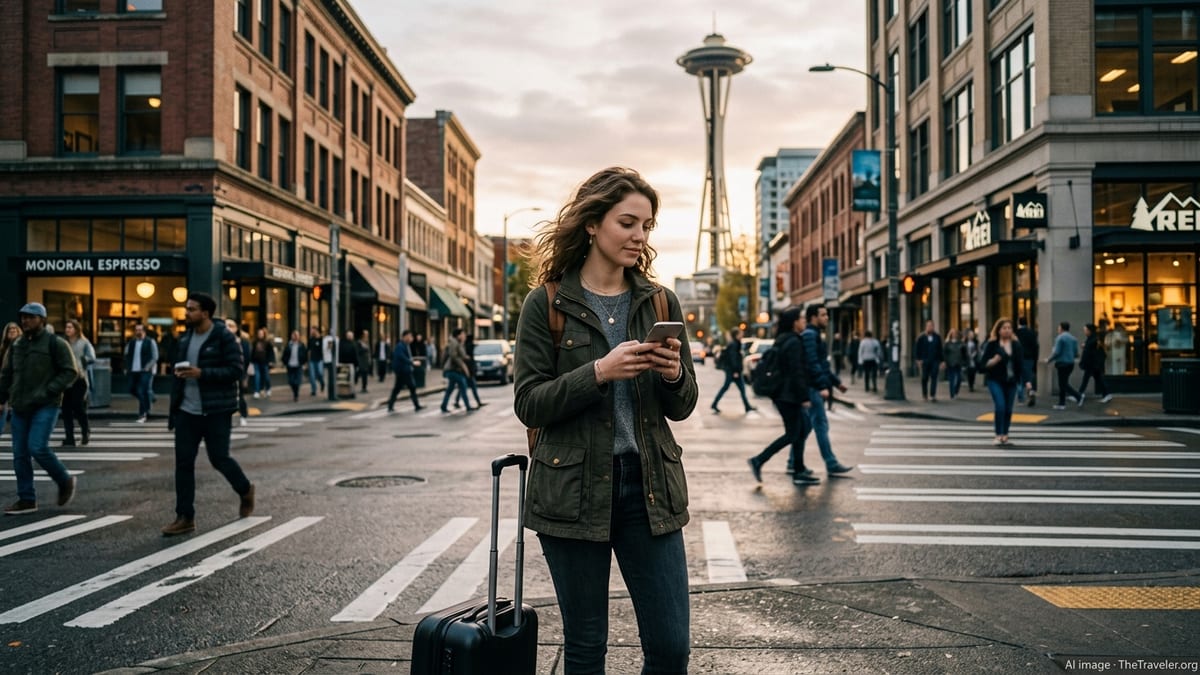
Surveys Show Majority Interest in Going It Alone
Recent polling from travel and consumer research firms indicates that solo travel has shifted from niche pursuit to mainstream aspiration in the United States. A 2024 adventure travel trends survey by satellite safety brand Spot found that roughly two thirds of Americans said they were likely or very likely to consider an adventure trip, and a substantial share reported traveling alone multiple times a year. Within that group, more than four in ten respondents said they already travel solo regularly, suggesting that individual trips are no longer an exception reserved for seasoned backpackers.
Separate consumer research on broader leisure travel suggests similar momentum. Industry coverage of a national survey on American travel trends in 2024 reported that just over half of respondents were interested in taking some form of solo trip in the year ahead, reflecting growing comfort with independent itineraries across age groups. While younger travelers still lead the way, interest is no longer confined to Gen Z and millennials, as older adults increasingly cite flexibility and personal fulfillment as reasons to go alone.
Globally focused reports on solo female travel also point to strong participation from U.S. travelers. A 2024 trends study drawing on thousands of respondents worldwide found that many women now see at least one solo journey as an important life goal, with the United States among the top source markets. The research describes solo travel as moving from occasional bucket-list experience toward a recurring form of leisure, even as women continue to report elevated safety concerns compared with men.
Taken together, these data suggest that a majority of Americans are at least open to the idea of traveling alone, and a growing proportion are turning that interest into concrete plans. The trend aligns with broader lifestyle shifts since the pandemic, as more people seek flexible, self-directed experiences and are less willing to postpone trips while they wait for friends or family to join.
Safety Fears Shape Where and How Americans Travel Alone
Despite rising enthusiasm, safety remains one of the strongest brakes on solo travel. A Harris Poll survey conducted for a small-group tour operator in late 2023 found that more than half of U.S. adults did not feel safe traveling outside the country at that time, and nearly a third said they were uneasy even about trips within the United States. Safety worries were especially pronounced among those planning to cut back on future travel, with concerns about crime and instability cited alongside financial strain.
More recent polling continues to show that personal safety and security weigh heavily on American travelers’ minds. A winter 2025 consumer survey from mobile connectivity provider Nomad eSIM reported that Gen Z travelers in particular were more likely than older generations to list safety as their top factor when deciding whether to travel. Separate national travel intention surveys also highlight crime, political unrest and transportation reliability as ongoing sources of anxiety, with some Americans reconsidering overseas trips altogether.
When solo travel is involved, these worries often intensify. Research summarized in the 2024 solo female travel report notes that many women adjust their behavior when traveling alone, from avoiding late-night outings to limiting alcohol consumption and choosing accommodations based on perceived neighborhood safety. A notable share of respondents reported carrying personal safety devices or using anti-theft bags, especially on urban and international trips.
Industry observers say these patterns are reshaping the solo travel market. Tour operators and booking platforms are increasingly highlighting safety features such as vetted local guides, secure transport, group day tours for solo guests and clearer information about medical services. Insurance providers, meanwhile, report heightened interest in policies that cover medical evacuation and trip disruption, reflecting travelers’ desire for additional protection when they do choose to go it alone.
Cost of Living Squeeze Tempers Solo Travel Plans
Alongside safety, cost is the other major barrier limiting solo travel growth. Multiple consumer surveys over the past two years show that most Americans feel the pinch of higher prices on airfare, lodging and everyday expenses, leading many to scale back or postpone trips. A summer travel report from Deloitte Insights in 2024 found that Americans were planning fewer leisure trips compared with the previous year, not due to lack of desire but because they felt compelled to trim discretionary spending amid persistent inflation.
Bankrate and LendingTree polling on vacation intentions paints a similar picture. In 2024 and 2025 surveys, large majorities of respondents said the current economy and the rising cost of living had affected their travel plans, with many choosing closer destinations, shorter stays or fewer trips. Younger adults, who express some of the strongest interest in solo travel, also report some of the greatest financial strain, often juggling student debt, high rents and modest savings.
Travel-specific research suggests that solo trips can face an added cost hurdle. Single travelers are less able to split hotel rooms or rideshares, and may encounter single supplements on cruises and tours. Industry reporting notes that while some brands are reducing or waiving such fees to attract solo guests, many itineraries still price most competitively for pairs or groups. As a result, even travelers who are eager to go alone sometimes opt to wait for a companion simply to keep expenses manageable.
Nevertheless, recent surveys of Gen Z travelers by flight search platforms suggest that young Americans are willing to make trade-offs in daily life to preserve their ability to travel. Many report cutting back on dining out, entertainment and nonessential shopping to fund future trips. That determination may help sustain solo travel demand even as broader economic conditions remain uncertain.
Women and Younger Travelers Drive Solo Travel Momentum
Demographic patterns within the new solo travel wave are becoming clearer. Women and younger adults are among the most enthusiastic adopters, according to a range of 2024 and 2025 surveys. The global solo female travel report highlights that women from North America are disproportionately represented among respondents who have already taken multiple solo trips or who are actively planning one, particularly in the 25 to 44 age range.
At the same time, consumer trend data show that Gen Z and millennials in the United States are more likely than older cohorts to prioritize travel despite financial headwinds. Deloitte’s 2024 Gen Z and Millennial Survey found that cost of living is a top concern for these generations, yet they continue to place high value on experiences such as travel. Skyscanner’s 2024 research into Gen Z travel patterns similarly noted that many young Americans made distinct financial sacrifices to fund their last vacation.
Generational attitudes toward solitude and flexibility also appear to support solo travel growth. Younger travelers are more comfortable mixing remote work with leisure, extending trips and choosing off-peak dates, which can make traveling alone more practical. Travel trend reports suggest that these groups are also more willing to seek out lesser-known destinations and quieter locations, a preference that can align well with solo exploration.
For women in particular, specialized communities and group departure options are lowering the barrier to entry. The solo female travel survey points to growing interest in women-only group trips, mentorship networks and online forums, which can serve as stepping stones for first-time solo travelers or as tools for planning more independent journeys. These developments indicate that while safety concerns remain, the infrastructure supporting women who want to travel alone is stronger than in past decades.
Industry Responds With New Products and Safety Messaging
As solo travel shifts toward the mainstream, the travel industry is beginning to adapt more visibly. Tour operators and cruise lines increasingly promote itineraries without single supplements, while hotels and hostels market community-focused spaces that still offer privacy and security. Marketing materials now routinely highlight solo-friendly features such as staffed front desks at all hours, well-lit common areas and easily accessible local transport information.
Insurance and technology providers are also positioning products around solo travel concerns. Press materials from a major U.S. medical transport and assistance company in 2024 emphasized that nearly half of travelers planning solo trips were most worried about medical emergencies on the road, with another significant share citing crime and general safety. In response, companies have expanded telehealth access, location sharing tools and emergency response services geared specifically toward individuals traveling without companions.
Destination marketing organizations, for their part, are adjusting messaging to address safety perceptions directly. Some city and national tourism boards now foreground statistics on crime trends, traveler assistance hotlines and neighborhood guides to reassure cautious visitors. Others collaborate with local businesses to offer small-group activities and walking tours that appeal to solo guests who want social interaction without committing to a full group trip.
Despite these developments, experts note that the gap between interest in solo travel and actual booking behavior may persist as long as economic uncertainty and high prices remain. For now, surveys suggest that many Americans are in a holding pattern: eager to experience the freedom of traveling alone, but still weighing the financial and safety trade-offs that come with going solo.