

More news on this day
U.S. air travelers are confronting another day of widespread disruption, with more than 1,000 flights canceled and over 12,000 delayed as airlines and airports struggle to recover from a turbulent post-Easter travel period marked by severe weather, congested hubs, and strained operations.
Get the latest news straight to your inbox!
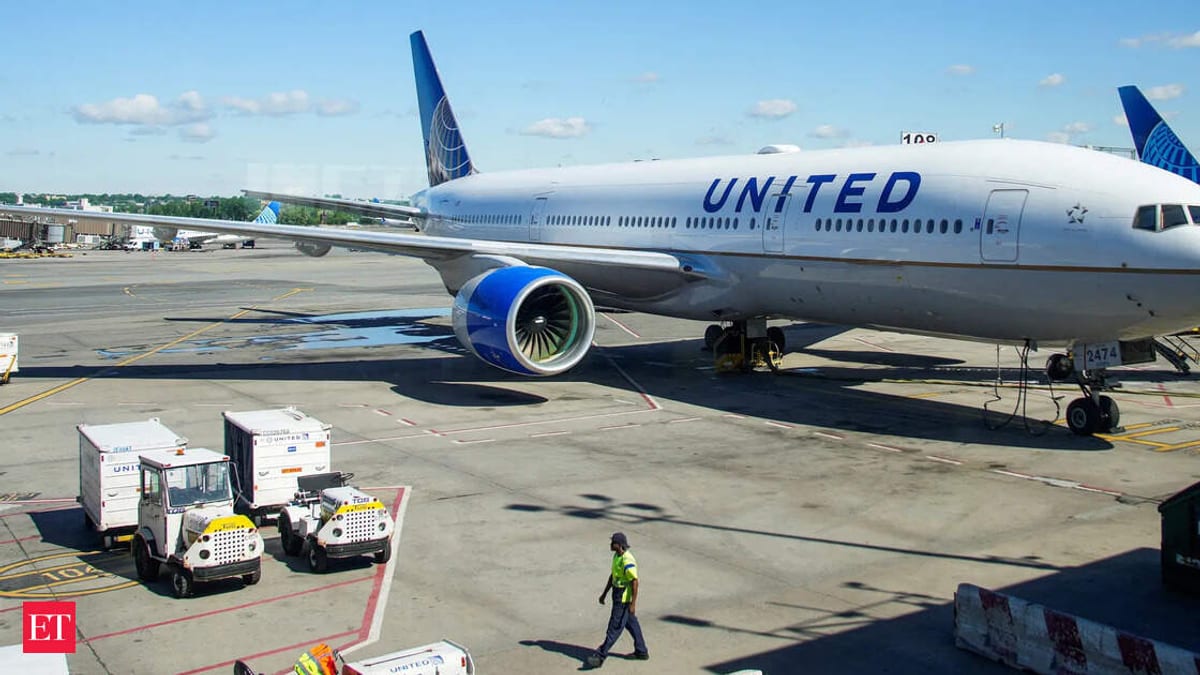
Nationwide Disruption Builds After Easter Travel Surge
Flight-tracking data and industry coverage indicate that the latest wave of cancellations and delays is the culmination of several days of mounting pressure on the U.S. aviation system. Over the Easter holiday period and into the following week, stormy conditions and heavy passenger volumes led to tens of thousands of delayed flights and several thousand cancellations across North America.
Reports summarizing Easter weekend operations describe more than 15,000 delays over key travel days, with disruption concentrated at major hubs in the Northeast, Midwest, and Southeast. That backlog has continued to ripple through airline schedules, with aircraft and crews still out of regular position, contributing to today’s elevated cancellation and delay totals.
By early Tuesday, data collated from public flight-status dashboards showed that cancellations affecting flights within, into, or out of the United States had surpassed 1,000, while delays climbed well beyond 12,000 worldwide, with U.S. airports representing a significant share. The numbers continue to evolve through the day, but the pattern underscores how quickly localized weather events and peak demand can snowball into a nationwide disruption.
The latest figures follow a winter and early spring in which major storms have already caused repeated breakdowns in airline operations, from February blizzards that wiped out thousands of flights to March and early April systems that repeatedly constricted airport capacity.
Major Hubs Bear the Brunt of Cancellations and Delays
Today’s disruption is heavily concentrated at the country’s busiest hubs, where even modest schedule changes can reverberate across airline networks. Recent tallies from aviation news outlets show that airports such as Hartsfield-Jackson Atlanta, Chicago O’Hare, Orlando, Los Angeles International, and the New York City airports at LaGuardia and John F. Kennedy have recorded some of the highest combined cancellation and delay totals.
One snapshot of operations on Tuesday points to more than 200 cancellations and several thousand delays spread across key U.S. airports in a single day, with Atlanta and Orlando in particular reporting delay counts well into the hundreds. Separate coverage focused on Los Angeles International details more than one hundred delayed departures alongside a cluster of cancellations that affected both domestic and long-haul international services.
In the Northeast, disruption is also pronounced at New York’s LaGuardia and JFK, where weather-related volume constraints and air traffic management initiatives have pushed delay numbers into the triple digits. Newark Liberty International, another critical gateway for transcontinental and transatlantic routes, has likewise seen elevated levels of schedule changes, compounding the strain on travelers trying to connect through the region.
Because many of these airports serve as primary hubs for large U.S. carriers, operational issues in one location can quickly cascade. Flights that arrive late into a hub often depart late again, creating rolling knock-on effects for onward connections and leaving some aircraft out of their planned rotations for days.
Weather, Airspace Management, and Airline Schedules Collide
The immediate triggers for the current round of cancellations and delays lie in a mix of lingering storm systems, low cloud ceilings, and strong winds that limit runway capacity, especially at busy coastal and Midwest airports. Industry analysis notes that several of the hardest-hit locations have been operating under various forms of ground delay programs and flow restrictions, tools used by air traffic managers to meter arrivals and departures when the system is under strain.
At the same time, airlines are still managing the operational hangover from Easter Monday, when thousands of flights across North America and Europe were delayed or canceled. Coverage of that day’s operations highlights more than 13,000 flight delays globally, a sign of how widespread the disruption has become and how long it can take to fully restore normal schedules once they are badly out of sync.
Structural factors are amplifying the impact. Schedules remain tightly wound, with high aircraft utilization and limited spare capacity, meaning there is little room to absorb shocks without resorting to cancellations. Staff shortages in some operational roles, including ground handling and air traffic-related functions in certain regions, add further complexity to recovery efforts.
Analysts following airline performance note that carriers often try to limit outright cancellations by leaning more heavily on delays, in an effort to preserve aircraft positioning for subsequent flights. While this strategy can help keep more of the schedule technically intact, it also increases the likelihood of missed connections, extended time on tarmac queues, and crowded gate areas as passengers wait out rolling departure times.
Travelers Face Long Lines, Missed Connections, and Limited Options
For passengers, the statistics translate into long lines at check-in and security, crowded terminal concourses, and a challenging environment for rebooking. With more than 1,000 flights canceled, seats on alternative services are limited on many routes, especially during peak periods and at hub airports where connecting traffic is dense.
Travel and aviation outlets report that travelers are encountering multi-hour delays on some short-haul domestic legs, as well as missed long-haul connections where aircraft cannot be held for late-arriving passengers without further disrupting subsequent rotations. In some cases, travelers are being re-routed through secondary hubs or placed on next-day departures, particularly where weather continues to affect operations.
Standard consumer advice circulating across airline and government information channels emphasizes the importance of checking flight status before leaving for the airport, using airline mobile apps where possible, and confirming gate and departure time changes frequently. Passengers are also being encouraged to consider same-day rerouting through less congested airports when options exist, as well as to keep necessary documentation and essentials in carry-on bags in case of unexpected overnight stays.
In addition, publicly available passenger rights information highlights that compensation or reimbursement may be available in certain situations, depending on the cause of the disruption and the policies of the carrier involved. Weather-related delays typically limit compensation, but travelers may still be entitled to meal vouchers, hotel accommodation, or fee-free rebooking on later flights where disruptions are within an airline’s control.
Industry Scrutiny Intensifies as Disruptions Mount
The latest nationwide spike in cancellations and delays is likely to renew scrutiny of airline resilience and consumer protections in the United States. Recent enforcement actions and policy updates from transportation authorities have drawn attention to patterns of chronic delays at specific carriers, as well as to the obligations airlines have to passengers when schedules are significantly disrupted.
Observers note that the current situation comes on the heels of several high-profile operational breakdowns in recent years, including holiday meltdowns and storm-linked interruptions that left large numbers of passengers stranded. These events have prompted calls from consumer advocates for clearer, more uniform standards on what airlines must provide when flights are canceled or severely delayed.
At the same time, airline executives and industry groups continue to highlight the constraints they face from extreme weather, air traffic control bottlenecks, and infrastructure limitations at key airports. They argue that improving resilience will require coordinated investment across the aviation ecosystem, not just changes to airline policies.
As the immediate focus remains on clearing today’s backlog of more than 1,000 cancellations and over 12,000 delays, attention is already turning to the months ahead. With the busy summer travel season approaching and climate-linked weather volatility increasing, analysts suggest that similar episodes of widespread disruption are likely to recur unless systemic capacity and staffing issues are addressed in parallel with short-term schedule management.