

More news on this day
Thousands of air travelers across the United States are facing another bruising weekend of disruption as major carriers including Delta Air Lines, American Airlines, United Airlines, PSA Airlines and SkyWest contend with more than 600 flight cancellations and over 4,000 delays at key hubs from Atlanta and Houston to Chicago, Dallas, Los Angeles and Miami.
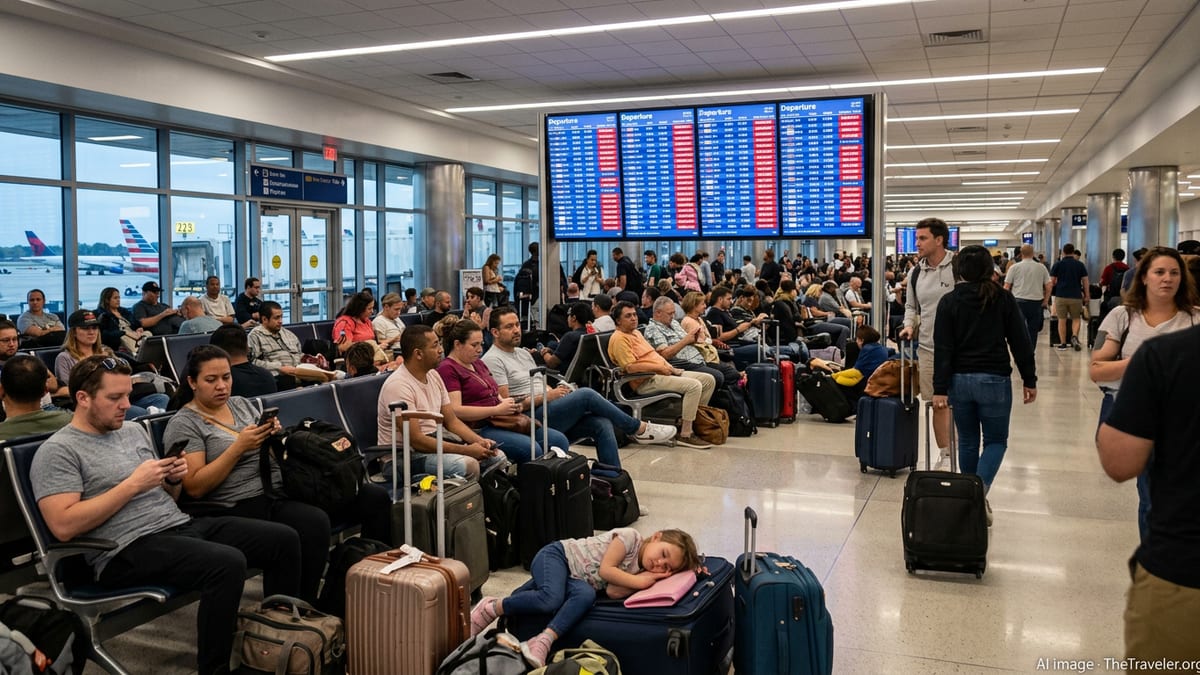
Severe Weather and Congested Hubs Trigger New Wave of Chaos
The latest disruption began building on March 7 and intensified into March 8, as powerful storm systems swept through the Midwest and Southeast while low ceilings and lingering snow and ice affected parts of the central and eastern United States. Thunderstorms and unforecast hail around Atlanta, combined with poor visibility and gusty winds at several other hubs, forced the Federal Aviation Administration to implement rolling ground stops and slowdowns that quickly rippled through the national network.
At Hartsfield-Jackson Atlanta International Airport, Delta’s largest hub and the world’s busiest passenger airport, carriers have reported hundreds of combined cancellations and delays over the past 48 hours, with Delta and its regional partners among the most heavily affected. Similar scenes are unfolding at Chicago O’Hare, Dallas-Fort Worth and Houston George Bush Intercontinental, where banks of departures have been pushed back repeatedly or cut from the schedule altogether as airlines struggle to reposition aircraft and crews.
While weather is the primary trigger, the scale of the disruption reflects how tightly wound US airline operations have become. A relatively small number of thunderstorms over key hubs has translated into widespread knock-on delays as delayed inbound aircraft arrive late for subsequent departures, leaving passengers stranded far from the worst of the weather.
Major Carriers and Regional Partners Under Strain
Large network carriers including Delta, American and United are bearing the brunt of the current disruption because of their reliance on hub-and-spoke operations centered on airports such as Atlanta, Dallas-Fort Worth, Chicago O’Hare, Houston, Los Angeles and Miami. When one of these hubs experiences a ground stop, aircraft and crews can quickly end up in the wrong place, prompting airlines to cancel flights proactively in an attempt to reset their schedules.
Regional operators that fly under major-brand banners are also heavily exposed. SkyWest, which operates flights marketed by Delta, United, American and Alaska, has reported dozens of cancellations and delays tied to the storm systems and congestion at large hubs. PSA Airlines, a key regional partner for American, has seen a disproportionate share of cancellations at Dallas-Fort Worth and other connecting points, compounding the disruption for travelers originating in smaller cities.
For passengers, the distinction between a mainline carrier and its regional affiliates is largely invisible. Travelers booked on Delta or American may find that the aircraft and crew operating their flight are actually supplied by SkyWest, PSA or another regional partner, meaning that operational issues at those smaller airlines can cascade into the mainline schedule. The result is an intricate web of interdependent flights where a cancellation on a short regional leg can cause a missed transcontinental or transatlantic connection hours later.
Passengers Face Long Lines, Overnight Stays and Limited Options
Across affected airports, departure boards on Sunday are dotted with red “canceled” notices and long blocks of delayed flights, while check-in halls and gate areas are crowded with travelers waiting for information. At hubs like Atlanta, Chicago and Dallas, lines for customer service and rebooking stretch across concourses as passengers attempt to secure scarce seats on later departures.
With many flights fully booked at the start of the busy spring travel period, standby lists are long and same-day alternatives are limited. Families heading to or from school holidays and leisure trips face the prospect of unplanned overnight stays, while business travelers are scrambling to reroute itineraries through less congested hubs or switch to early-morning departures on Monday, when airlines hope to begin restoring normal operations.
In Los Angeles and Miami, where weather has been less severe, many passengers have been caught out by disruptions originating elsewhere. Travelers arriving from the Midwest and Southeast late or not at all are missing onward flights to Latin America, the Caribbean and transpacific destinations, stretching the disruption far beyond the immediate storm zones. Some airlines are issuing hotel and meal vouchers on a case-by-case basis, while others are encouraging customers to accept travel credits or fee-free changes to later dates.
Broader Questions About Resilience of US Air Travel
The latest wave of cancellations and delays has revived questions about the resilience of the US air travel system after several years of high-profile meltdowns. From weather-driven shutdowns to technology failures and staffing shortages, airlines and airports have struggled to keep operations running smoothly under heavy demand. Passenger advocates note that even relatively routine weather events can now trigger large-scale disruption when they intersect with tight staffing levels and packed schedules.
Industry analysts point out that some carriers still lack sufficient slack in their systems to recover quickly once operations start to unravel. When crews time out because of duty limits or aircraft go out of position, carriers are often forced to cancel additional flights the following day to reset the network, prolonging the pain for travelers. For those stuck in Atlanta, Houston, Chicago, Dallas, Los Angeles, Miami and other affected cities this weekend, that means uncertainty over whether rebooked flights will operate as planned.
Regulators and consumer groups are likely to scrutinize how carriers handle rebooking, refunds and passenger care obligations after this latest disruption. While US rules are looser than the compensation frameworks in place in parts of Europe, airlines have increasingly publicized customer service commitments outlining when they will provide meal vouchers, hotel rooms or refunds during significant operational failures.
What Travelers Should Do If Their Flight Is Affected
With conditions and schedules changing rapidly, travelers are being urged to monitor their flight status frequently rather than relying on information printed on boarding passes or earlier confirmations. Airline mobile apps and text alerts typically update more quickly than airport departure boards or staffed counters, and can sometimes offer self-service rebooking options that avoid long lines at gates and ticket desks.
Passengers whose flights have been canceled should first check whether their carrier is offering fee-free changes or extended travel credits, which may allow them to move trips by several days without penalty. Those who no longer wish to travel can often request a refund when a flight is canceled, even on nonrefundable tickets, though policies vary by carrier. Travelers with tight connections or essential commitments may want to consider rebooking through less affected hubs or adjusting itineraries to include longer connection times.
For those already stuck at the airport, experts recommend documenting all communications with airlines, keeping receipts for out-of-pocket expenses and staying flexible about routing and timing. With major hubs from Atlanta and Houston to Chicago, Dallas, Los Angeles and Miami all dealing with significant backlogs, restoring normal operations is likely to take at least into early next week, and some travelers may find that the fastest route home involves one or more unexpected stops.