

More news on this day
The arrival of Oceania Cruises’ MS Sirena at New Mangalore Port on March 8, 2026, has given fresh momentum to the coastal city’s cruise ambitions, highlighting how a steady uptick in international calls is beginning to translate into tourism revenue, local employment and accelerated investment in passenger-friendly port infrastructure.
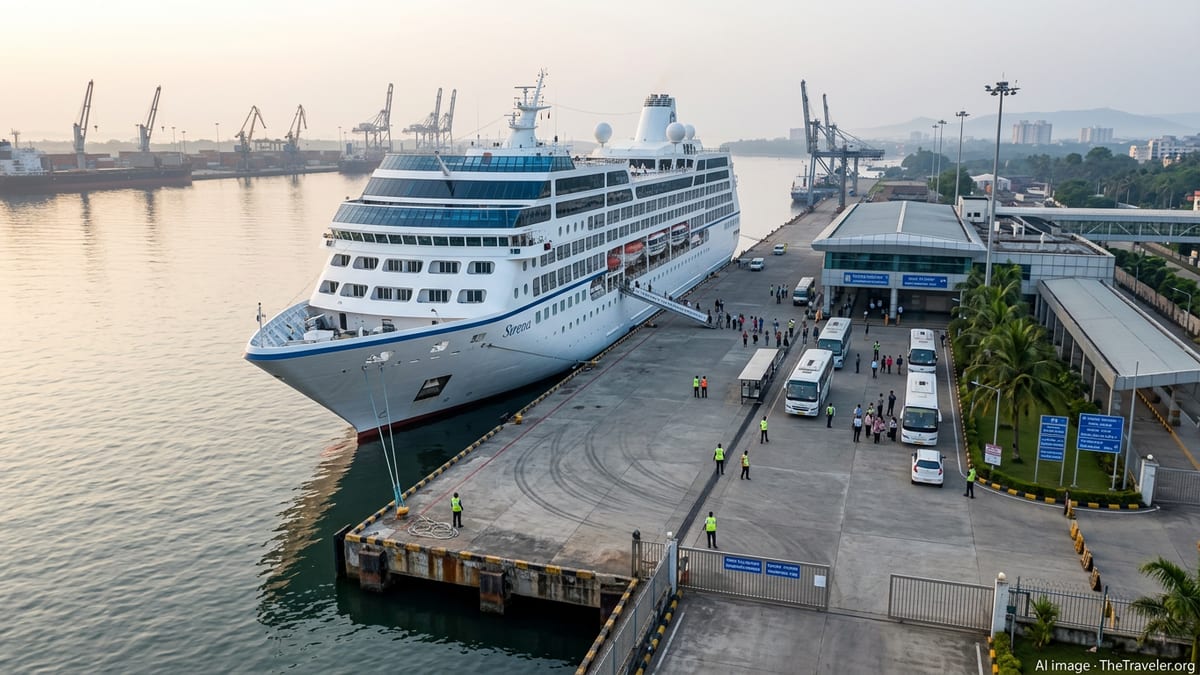
High-end call marks another milestone for New Mangalore
Sirena’s call, part of a wider Indian Ocean itinerary operated by Oceania Cruises, brought several hundred predominantly foreign passengers to the New Mangalore Port Authority’s dedicated cruise facilities at Panambur. Port officials and local tourism stakeholders say the visit is emblematic of how mid-sized premium vessels are increasingly including Mangaluru on West Coast routes that once focused almost entirely on Mumbai and Cochin.
The port, Karnataka’s only major seaport and one of India’s busiest cargo gateways, has been steadily positioning itself as a cruise-friendly stop with shorter turnaround times, streamlined clearance procedures and curated shore experiences. Senior officials said Sirena’s smooth berthing and passenger handling on March 8 reinforced the port’s reputation among international lines that prize operational reliability and efficient ground logistics.
While individual calls are modest in scale compared with cargo volumes, authorities note that vessels like Sirena carry high-spending guests who are more likely to book guided excursions, dine at local restaurants and purchase handicrafts. As more operators evaluate India’s southwestern coast, each successful call adds weight to New Mangalore’s bid to be viewed as a regular feature on winter cruise schedules.
The March 8 arrival follows a series of recent international calls during the 2025–26 season, including luxury and expedition ships that helped showcase coastal Karnataka’s beaches, temples and plantations to a global clientele. For local tour operators and transport providers, the call calendar is beginning to look less sporadic and more like a structured cruise season.
Tourist spending ripples through the local economy
Shore excursions arranged around Sirena’s visit focused on a familiar but still potent mix of religious, cultural and nature-based attractions. Passengers were dispersed across established circuits taking in destinations such as the 1000 Pillar Temple at Moodabidri, the monolithic statue at Karkala, heritage churches in central Mangaluru, plantation visits at Soans Farm and the eco-education complex at Pilikula Nisargadhama.
Tourism officials estimate that even a single mid-sized cruise call can inject a meaningful sum into the local economy once spending on guides, coaches, entrance tickets, meals, souvenirs and incidentals such as taxis and café visits is tallied. For many small businesses and informal workers, the impact is immediate as cruise days translate into higher footfall and day-long bookings.
Taxi and coach operators reported strong demand on March 8, with vehicles hired for both organised excursions and independent city tours. Artisans and handicraft vendors around popular stops said that foreign visitors often spend more per head than domestic tourists, particularly on textiles, woodcarvings and souvenirs that can be easily packed for onward journeys.
Hotels and restaurants in and around Mangaluru also benefit indirectly, as some passengers opt to sample local cuisine or purchase packaged sweets and spices to take back to their ships. For the city’s service sector, each call reinforces the logic of maintaining trained staff and multilingual signage, investments that also enhance the experience of non-cruise visitors.
Infrastructure upgrades underpin cruise tourism growth
New Mangalore Port’s cruise aspirations are being reinforced by a slate of infrastructure projects rolled out over the past two years under the Ministry of Ports, Shipping and Waterways’ broader push to develop India’s cruise circuits. The port already operates a dedicated cruise lounge with e-visa processing, expedited immigration counters, baggage scanners and basic currency exchange, and has been identified in national planning documents as a hub with significant potential for further expansion.
In 2025, New Mangalore Port Authority marked its golden jubilee with the announcement of multiple new projects, including a dedicated cruise gate designed to segregate passenger flows from heavy cargo traffic and improve security screening. Officials say these investments are intended to ensure that rising cruise calls, such as Sirena’s March 8 visit, do not face bottlenecks at the gate or curbside even during peak cargo operations.
Alongside passenger facilities, the port has also focused on hinterland connectivity, including better internal road layouts and coordination with city authorities on traffic management during major ship days. Improved coordination between customs, immigration, port security and tourism departments has helped reduce processing times for arriving passengers, an important metric for international lines evaluating whether to return.
Complementing the hard infrastructure are softer upgrades, such as training for port personnel and shore staff in handling first-time visitors to India and addressing concerns about safety, hygiene and language barriers. Officials argue that the combination of visible physical improvements and more polished service standards is beginning to reshape New Mangalore’s cruise image from a purely industrial port to a dual-purpose gateway.
Strategic role within India’s west coast cruise network
MS Sirena’s call also underscores New Mangalore’s evolving role within India’s network of cruise ports along the Arabian Sea. Historically, itineraries tended to link Mumbai and Goa with Cochin and Sri Lankan ports, with limited stops in Karnataka. In recent seasons, however, New Mangalore has featured more prominently in schedules for expedition, luxury and premium lines seeking new experiences to market to repeat cruisers.
National policy has helped this shift. Central government initiatives to rationalise tariffs, prioritise berthing for cruise vessels and streamline immigration at seaports have lowered operational friction for lines calling at Indian ports. The introduction and extension of e-tourist visas and on-arrival processing at key cruise hubs, including Mangalore, have made port calls more viable from a scheduling perspective.
Against this backdrop, New Mangalore Port Authority has been pitching the city as a complementary stop offering a different flavour from Goa’s beaches or Cochin’s backwaters. Shore excursions centred on Yakshagana performances, temple architecture, plantation landscapes and emerging riverfront projects give operators new storylines, while helicopter links to regional attractions add a premium dimension for higher-end guests.
Industry observers note that as more ships like Sirena test and refine their offerings at Mangaluru, the port could become a regular call on week-long and fortnight-long itineraries tracing the west coast and island destinations such as Lakshadweep. That, in turn, would provide the demand base needed to justify further investment in terminals and city-side tourism infrastructure.
Local stakeholders eye long-term benefits and challenges
For stakeholders in and around Mangaluru, Sirena’s March 8 visit is both a welcome boost and a reminder of the work still needed to fully capitalise on cruise tourism. Local tour operators argue that better last-mile wayfinding, improved public transport options and enhanced waterfront amenities would encourage more passengers to explore independently rather than remaining within structured tours.
City authorities, for their part, are balancing ambitions for a more vibrant tourism economy with concerns about congestion, waste management and environmental impact, particularly on sensitive coastal stretches like Panambur Beach. Port officials say that strict adherence to international security and environmental norms remains non-negotiable, even as they pursue higher passenger numbers.
Business groups linked to the Mangalore Special Economic Zone and traditional industries view cruise tourism as a useful complement rather than alternative to the region’s core economic drivers. By exposing international visitors to the city’s industrial and services base in a curated manner, they hope to gradually burnish Mangaluru’s image as both a leisure and investment destination.
With more calls expected through the remainder of the 2025–26 season, the performance of visits like that of MS Sirena will be closely watched. If passenger feedback remains positive and operations stay smooth, New Mangalore could consolidate its place on the global cruise map, aligning local fortunes ever more closely with the ebb and flow of visiting ships.