

More news on this day
Health authorities in Hong Kong and the Philippines are monitoring Holland America Line’s MS Westerdam after a suspected norovirus outbreak sickened dozens of guests and crew during a multi-country Asia cruise.
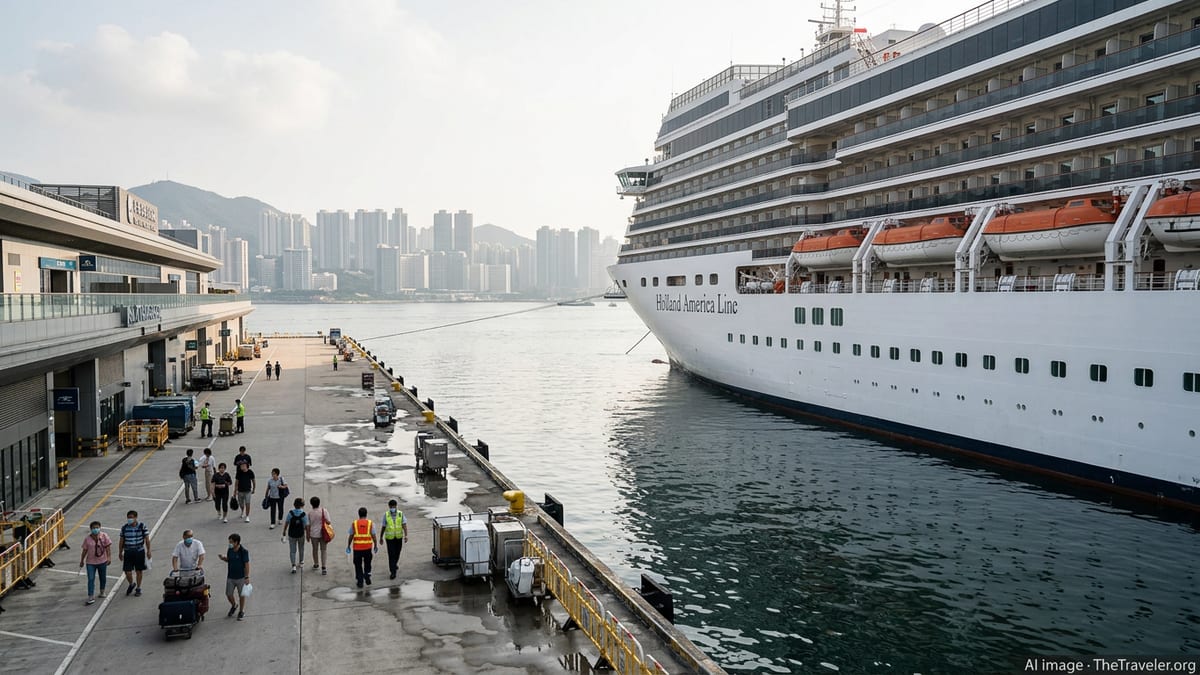
Dozens Fall Ill on 28-Night Asia Sailing
The incident emerged as MS Westerdam, carrying about 2,000 passengers and 800 crew members, arrived at Hong Kong’s Kai Tak Cruise Terminal on March 1, 2026, during a 28-night itinerary that began in Japan. According to health authorities, passengers began reporting symptoms of acute gastroenteritis, including vomiting, diarrhea and fever, in the latter stages of the voyage as the ship sailed between ports in Japan, South Korea and mainland China.
The Hong Kong Centre for Health Protection reported that at least 65 passengers and 11 crew members had fallen ill, while other public health summaries have placed the total number of affected individuals at close to 80. Stool samples from a subset of patients tested positive for norovirus, one of the most common causes of gastrointestinal outbreaks in enclosed settings such as cruise ships, schools and care homes.
While most of the cases were described as mild to moderate, the sheer number of infections prompted an elevated response from local authorities and the cruise line. Medical teams on board isolated symptomatic passengers in their cabins and stepped up environmental cleaning protocols in public areas of the ship.
Heightened Health Checks and Port Notifications
As part of the response, Hong Kong health teams boarded MS Westerdam upon arrival to conduct epidemiological investigations, verify the ship’s medical logs and review onboard sanitation measures. Officials also interviewed affected passengers and collected additional samples to confirm the causative agent and assess the extent of transmission.
Because the voyage was scheduled to continue south through the Philippines and onward to Taiwan, Hong Kong authorities formally notified counterparts in Manila of the developing situation. Health officials in the Philippines have since indicated that they would deploy inspection teams and institute screening measures when the ship calls at ports including Palawan, Boracay and Manila in early March.
Passengers reported an increase in visible sanitation measures as the voyage continued. Buffet service was curtailed or modified, crew were seen frequently disinfecting handrails and elevator buttons, and announcements reminded guests to report symptoms promptly to the medical center and to practice rigorous handwashing with soap and water.
Cruise Line Implements Containment Measures Onboard
Holland America Line said its onboard medical staff had activated standard outbreak response protocols once an unusual cluster of gastrointestinal cases was identified. Those measures typically include confining ill guests to their cabins until at least 48 hours after symptoms subside, providing dedicated housekeeping teams for affected rooms, and using disinfectants proven to be effective against norovirus on high-touch surfaces throughout the vessel.
Food and beverage operations were adjusted to reduce opportunities for person to person and surface transmission. Self service at buffet stations was reportedly scaled back in favor of crew served portions, and additional handwashing stations were emphasized at restaurant entrances. Entertainment and activity schedules continued, but participation was discouraged for anyone feeling unwell.
The company has not announced a full cancellation of the ongoing itinerary, but minor timing adjustments and enhanced health protocols have been communicated to guests. Travelers scheduled to embark on upcoming Westerdam sailings in Asia are being advised to monitor updates from the line and from public health agencies as authorities complete their investigation into the current outbreak.
Norovirus Risks Remain a Challenge for Cruise Travel
Norovirus is highly contagious and can spread quickly in shared environments through contaminated surfaces, food and water, or close contact with an infected person. The virus has an incubation period that can be as short as 12 hours, and people may continue to shed the virus for days after their symptoms resolve, making containment on a cruise ship particularly challenging.
Public health experts note that while outbreaks at sea often draw significant media attention, norovirus is widespread on land as well and is a leading cause of gastroenteritis worldwide. Cruise ships, however, are required to report outbreaks and are subject to inspection regimes that make cases more visible than similar events in hotels or other mass travel settings.
The incident on MS Westerdam comes amid renewed scrutiny of health safeguards across the cruise sector, following a series of gastrointestinal outbreaks on various ships over the past two years. For travelers, specialists continue to recommend frequent handwashing with soap and water, avoiding self service buffets when an outbreak is suspected, and promptly informing onboard medical teams at the first sign of stomach illness.
Implications for Asia’s Cruise Comeback
The timing of the norovirus alert is particularly sensitive for the Asia cruise market, which has been rebuilding itineraries and consumer confidence after years of pandemic related disruption. MS Westerdam has been a key player in Holland America’s return to the region, offering extended sailings that link Japan, Korea, China, the Philippines and Taiwan for international guests.
Analysts say the outbreak is unlikely to derail the broader recovery, but it underscores how quickly health events can influence traveler sentiment and port policies. Local authorities around the region are closely watching how the situation is managed, both in terms of onboard containment and transparent communication with passengers and destination officials.
For now, MS Westerdam continues its scheduled voyage under heightened surveillance, with health teams in Hong Kong and the Philippines tracking the progression of cases and monitoring for any secondary transmission on shore. The coming days will determine whether the outbreak remains contained or prompts additional restrictions on Asia cruise operations as the region enters a busy spring travel period.