

More news on this day
More than 1,500 MSC Cruises guests stranded in Dubai have now been flown home on special charter flights, as escalating Middle East tensions force the cruise line to unwind its winter program and mount a complex repatriation effort.
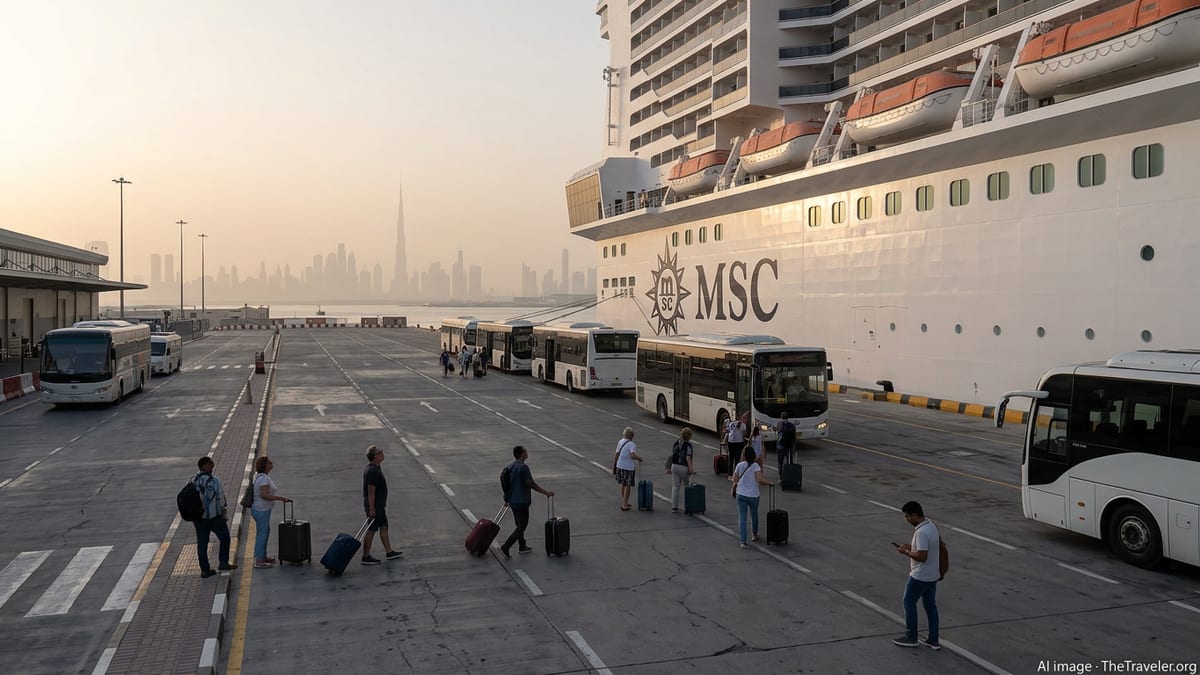
Charter Airlift Clears First Wave of Stranded Passengers
MSC Cruises confirmed that over 1,500 guests who had been confined to the MSC Euribia in Dubai have now left the region on a series of charter flights, marking the first major breakthrough in efforts to repatriate thousands of cruise travelers caught up in the sudden Middle East crisis.
The company began organizing dedicated air operations on March 5, working with partner airlines to move guests from Dubai back to Europe. By Friday morning, March 6, seven charter flights had departed, steadily reducing the number of passengers still on board the 6,300-capacity vessel.
While MSC has not publicly detailed the full national breakdown of those repatriated, travel industry reports indicate a mix of European, Middle Eastern and international guests were included in the first wave of flights. Many had seen their original commercial flights canceled or rerouted when regional airspace restrictions were imposed following the latest escalation between Iran, the United States and Israel.
MSC Cruises has stressed that additional departures are being lined up over the coming days, but warns that the operation remains subject to changing security assessments and airport capacity in the United Arab Emirates and beyond.
MSC Euribia Immobilized as Conflict Shutters Airspace
The MSC Euribia had been based in Dubai for the winter season, operating seven night itineraries across the United Arab Emirates, Qatar and Bahrain. That all changed at the end of February, when military confrontation involving Iran triggered missile alerts, airspace closures and maritime restrictions across the Gulf region.
With the situation deteriorating and the Strait of Hormuz effectively closed to cruise traffic, MSC suspended Euribia’s sailings and kept the ship in port under the guidance of regional authorities. The line subsequently canceled at least three upcoming voyages from Dubai, Doha and Abu Dhabi, informing booked guests that safety and security considerations left no realistic prospect of operating the planned cruises.
Guests who were already onboard found themselves unable to disembark and travel onward as commercial flights were grounded or severely curtailed. The ship shifted from vacation vessel to temporary shelter, providing cabins, meals and onboard services as the company negotiated for flight slots and clearances.
Although no damage to the ship or injuries to guests have been reported, cruise executives and security specialists say the Euribia’s grounding illustrates just how quickly regional tensions can cascade into large scale disruption for tourism and transport networks across the Gulf.
Life Onboard: Calm Atmosphere Amid Uncertainty
Accounts from passengers and crew describe a generally calm atmosphere on the Euribia despite the unprecedented circumstances. MSC has kept all core services operating, including dining venues and entertainment, while increasing communication with guests through written updates and public announcements.
Travelers have reported extended days at sea and in port, with many spending unexpected extra time in cabins, lounges and pool areas as they wait for word of onward travel arrangements. Some have spoken of watching military aircraft overhead and naval activity in nearby waters, underscoring how close leisure tourism has come to the front line of geopolitical tension.
The cruise line has emphasized that security protocols have been heightened on board, with emergency response procedures rehearsed and coordination taking place with port authorities and military officials. At the same time, staff are attempting to preserve as much of the holiday experience as possible, particularly for families traveling with children who may be unsettled by the situation.
Guests who spoke with regional media outlets expressed appreciation for the crew’s efforts, but also frustration over the uncertainty surrounding their return home and the fate of their future itinerary plans. For some, the extended stay at sea has translated into missed work, school and connecting travel arrangements back home.
Cancellations Ripple Through Middle East Cruise Season
The disruption to MSC Euribia is part of a much broader upheaval for cruising and tourism across the Middle East following the latest spike in tensions. MSC has now canceled its remaining sailings in the region for this season, removing Dubai, Abu Dhabi and Doha turnarounds from its schedule as it prepares to reposition the ship back to Europe for summer operations.
Rival operators have also cut or reworked voyages that would have traversed the Gulf or adjacent Red Sea corridors, citing government advisories and the need to avoid conflict zones and restricted waterways. That has left thousands of passengers worldwide facing changes to their travel plans, from full cancellations to significant itinerary overhauls that remove marquee ports.
Travel analysts note that the Gulf had been investing heavily to grow its cruise market, with new terminals, marketing campaigns and airline partnerships designed to attract winter visitors seeking warm weather itineraries. The current security environment has abruptly interrupted that growth trajectory, at least in the short term, and raised questions about how quickly confidence can return once tensions ease.
Tourism boards and port operators across the region are now focused on supporting ships and guests already in port while monitoring the evolving situation. Many industry observers say the handling of stranded passengers, including MSC’s charter flight program out of Dubai, will be closely watched as a test of the sector’s crisis response capabilities.
Rebooking, Refunds and Next Steps for Affected Travelers
As the immediate priority shifts from emergency sheltering to getting everyone home, attention is turning to what compensation and rebooking options will be available for guests whose cruises were cut short or canceled outright. MSC has confirmed that impacted passengers are eligible for full refunds on unused cruise days and canceled itineraries, with future cruise credits being offered in some cases as an added gesture.
Travel agents say passengers should keep detailed records of additional out of pocket expenses tied directly to the disruption, such as replacement flights or extra hotel nights, and work through both the cruise line and any travel insurance providers when submitting claims. Policies vary, but many comprehensive plans include some level of cover for trip interruption caused by security events or government advisories.
For those still scheduled to sail from the region later this spring, the advice is to monitor official communication from cruise lines closely. With airspace and maritime corridors subject to rapid change, operators are likely to make further adjustments at short notice, either by rerouting ships to alternative regions or by suspending specific deployments until conditions stabilize.
For now, MSC’s successful evacuation of more than 1,500 guests from Dubai is being viewed as a significant logistical milestone in a fluid and fast moving crisis. Yet with additional passengers still awaiting flights and the wider tourism economy on edge, the full impact of the Middle East tensions on cruise travel is only beginning to be felt.