

Dining is at the heart of the MSC Cruises experience, blending the line’s European roots with regional flavors and a flexible approach to meal times. Whether you prefer lingering multi course dinners, a quick buffet stop between activities or a splurge in a specialty restaurant, understanding how MSC structures its dining will help you make the most of every meal at sea.
How MSC Cruises Dining Works
All MSC cruise fares include access to the main dining rooms and the buffet, which together form the core of the onboard dining experience. These venues are open every day of your sailing and offer a rotating selection of international dishes, along with some familiar cruise ship classics like steak, pasta and salads. While exact opening times vary by ship and itinerary, breakfast, lunch and dinner are typically available across a mix of table service and self service options.
In the main dining rooms, guests can expect a traditional cruise style experience with assigned tables at fixed seating times on many sailings, or flexible “anytime” dining windows on others, especially for certain cabin experiences. Dinner menus usually change nightly and feature a mix of European and international dishes, vegetarian choices and at least one lighter option. For sailings from United States ports, the first appetizer, entree and dessert are included in your fare, with a modest surcharge if you choose an additional entree in the same meal.
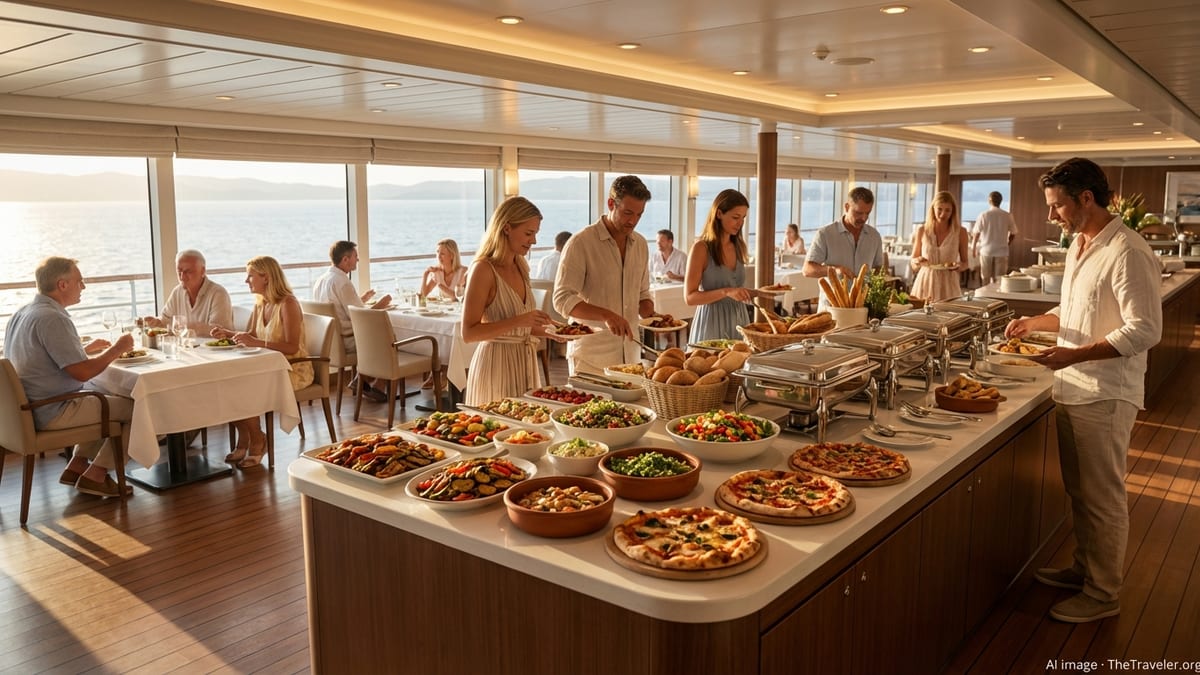
Buffets offer an informal alternative with no reservations or dress code beyond basic resort casual standards. They are particularly popular at breakfast and lunch, when guests want a quick meal between shore excursions or pool time. In the evening, the buffet often mirrors some of the dishes available in the main dining room while also serving pizza, pasta, salads and international comfort food. Many MSC regulars mix and match both experiences, choosing the main dining room on gala or sea days and the buffet when schedules are busy.
Beyond the inclusive options, most MSC ships feature a collection of specialty restaurants that carry an extra charge or can be accessed using a pre purchased dining package. These venues range from steakhouses and sushi bars to teppanyaki counters and casual taco concepts. They are entirely optional but can be a highlight for food focused cruisers or those celebrating a special occasion at sea.
Main Dining Rooms: What to Expect
MSC’s main dining rooms are the culinary centerpiece of each ship. Menus are structured around several courses, often beginning with antipasti or salads, followed by soups or pasta, then mains and dessert. Expect a blend of Italian favorites, Mediterranean inspired dishes and regional specials that reflect the ship’s itinerary. On sailings from Texas, for example, MSC Seascape is introducing Texas style brisket, Cajun spiced pork and Gulf Coast flavors alongside Italian classics, illustrating how the line adapts its offerings to local tastes.
Service is generally traditional and unhurried, with the same wait staff assigned to your table throughout the cruise on fixed seating plans. This allows servers to learn your preferences, from how you like your steak cooked to preferred beverages and dietary needs. Families and groups can request larger tables, while couples often ask for more intimate two tops, though availability varies by sailing. Breakfast and lunch service, when offered in the main dining room, tend to be more casual and quicker, with both a la carte menus and some buffet style elements on certain ships.
Dietary requirements are best handled in the main dining rooms. MSC states that it can accommodate common needs such as gluten free, lactose free and some other special diets more reliably here than in the buffet, because there is tighter control over food preparation. Guests are encouraged to notify the cruise line in advance of sailing and then speak with the maître d’ or head waiter once on board to have needs noted and suitable dishes recommended each evening.
On longer voyages, you can expect a number of themed menus, including Italian night and gala menus where the kitchen showcases more elaborate dishes. While not every dish will rival a top restaurant on land, many cruisers find that the main dining rooms strike a good balance between variety, presentation and pacing, particularly given the scale of cooking for thousands of guests each night.
Buffet Restaurants: Casual Choice Around the Clock
MSC’s buffets, often branded as Marketplace Buffet or by similar names, provide the most flexible dining on board. They are typically open for extended hours, starting early with breakfast and running through late evening snacks. Buffet stations are segmented by type, with areas for salads, hot entrees, carving stations, pizzas, pasta, ethnic specialties, desserts and sometimes kids’ favorites.
Breakfast buffets feature a mix of continental options like pastries, fruit and yogurt alongside cooked items such as eggs, sausages, bacon and regional specialties. On ships catering to the Texas and Gulf Coast market, for example, the breakfast lineup includes dishes like huevos rancheros, chicken and waffles and Tex Mex inspired omelets, while European itineraries might lean more heavily on cured meats, cheeses and baked goods. Coffee, tea, milk, water and sometimes basic juices are generally available at self service beverage stations.
Lunch and dinner buffets expand into a wide range of international cuisines. MSC is known for its consistently popular pizza, along with pasta, grill items and regional dishes such as Indian or Asian curries in an “ethnic corner.” Theme nights might bring Texas smoked brisket one evening and Mediterranean specialties the next, often echoing what is served in the main dining rooms while retaining a more casual, come whenever you like atmosphere. Dessert counters showcase cakes, mousses, puddings and ice cream that change daily.
The buffet is also where many guests grab an informal snack between meals or late at night, whether that is a slice of pizza, a plate of salad or a sweet treat. While MSC notes that it cannot guarantee the same level of control over allergens and cross contamination in the buffet as in the main restaurants, staff are usually willing to point out ingredients where possible. For travelers who prefer not to dress up for dinner, the buffet remains a reliable choice throughout the cruise.
Specialty Restaurants and Dining Packages
Specialty restaurants have become a major feature of newer MSC ships, offering more focused menus and intimate atmospheres for an additional charge. Common concepts across the fleet include Butcher’s Cut steakhouse, Ocean Cay seafood restaurant, Kaito Sushi Bar, Kaito Teppanyaki and Hola Tacos and Cantina. Some ships also feature brand partnerships for chocolate, gelato and coffee, along with regionally inspired venues that change with deployment.
Pricing for specialty dining varies by ship and venue, but many guests opt for pre paid dining packages that bundle several meals into a fixed price. These packages typically cover a set number of dinners in participating specialty venues and are designed to offer better value than paying each visit a la carte, particularly if you plan to dine in multiple specialty restaurants over a weeklong sailing. Menus may include certain items specifically for package holders, while higher end steaks or seafood platters can carry a supplement.
Reservations are strongly recommended for specialty venues, especially on popular sailing dates and newer ships. They can often be made in advance through the cruise planner or mobile app, and again on board via the app, interactive screens or directly with the restaurant host stand. These dining rooms usually have more limited capacity and a more leisurely pacing than the main dining rooms, which makes them attractive for date nights, celebrations or simply a change of scene from the larger public spaces.
From teppanyaki chefs preparing multi course menus at shared grills to all you can eat taco nights and tasting menus built around seafood or steak, specialty restaurants add variety and a touch of land style dining to the cruise experience. While they are optional extras, many regular MSC guests plan at least one or two specialty nights per voyage, viewing them as part of the overall vacation splurge.
What Is Included vs Extra: Food and Drinks
Understanding what is included in your fare versus what carries an extra charge can help you budget realistically for food and beverages on MSC. Included on all standard fares are meals in the main dining rooms and the buffet, along with basic drinks such as water, coffee and tea during meal service in these venues. Room service may be partially included or carry delivery fees depending on your specific fare type and cabin category, with more generous inclusions for some premium experiences.
Not included are specialty restaurants, premium dessert and coffee venues, most room service items beyond breakfast on some fares and all alcoholic beverages. Soft drinks, bottled water, specialty coffees and fresh juices also come with a charge outside of any complimentary promotional offers. To simplify this, MSC sells beverage packages that cover a defined range of drinks, from non alcoholic bundles focused on sodas and juices to premium packages including cocktails, wine by the glass and specialty coffee. These packages are priced per person, per day and must usually be purchased for all guests staying in the same cabin.
On cruises from United States ports, MSC has introduced a small surcharge for ordering a second entree in the main dining rooms at dinner, while the first appetizer, main and dessert remain included for each guest. This policy aims to reduce food waste while still allowing flexibility for those with larger appetites or a desire to sample multiple dishes. In practice, many guests find the regular portions sufficient but appreciate the option to add an extra main when tempted by the menu.
Promotions sometimes bundle dining or beverage packages into higher end fare categories, and guests in the MSC Yacht Club, the line’s ship within a ship concept, benefit from an included top tier beverage package along with access to a dedicated restaurant. As offers and package names can change over time, it is worth reviewing current details before you book and again before you sail, so you know exactly what your specific fare includes.
Dress Codes, Theme Nights and Dining Atmosphere
MSC markets its onboard dress code as relaxed and largely casual, with a few elevated evenings and venues. During the day, shorts, T shirts and sandals are widely accepted in public spaces and at the buffet, although swimwear must always be covered and is not permitted in any dining venue. In the evenings, the main dining rooms and specialty restaurants generally call for resort casual attire, such as collared shirts with trousers or smart shorts for men and dresses, skirts or tailored pants for women.
Several nights per sailing are designated as gala or formal evenings, particularly on itineraries of six nights or more. On these nights, guests are invited, but not strictly required, to dress up more than usual. You will see everything from tuxedos and evening gowns to smart jeans paired with a blazer. Guests who prefer to stay casual can always choose to dine at the buffet or order room service. Theme nights such as white parties, tropical nights or Italy themed evenings add a sense of fun; many guests pack a white outfit or floral shirt specifically for these events.
MSC notes that there are some restrictions for evening dining. Swimwear is not allowed in any sit down restaurant, and on gala evenings shorts, flip flops and tank tops are usually not permitted in the main dining rooms, specialty restaurants or the Yacht Club restaurant. Dress guidelines are posted outside venues, and staff may politely turn away guests whose attire does not meet the minimum standard, particularly in premium spaces. At the same time, enforcement can be flexible in practice, with many cruisers finding that neat casual outfits are widely accepted.
The overall atmosphere in MSC’s dining venues tends toward lively and family friendly, particularly in the buffet and during early dinner seatings. Later seatings in the main dining room and specialty restaurants can feel more subdued and adult oriented. Music, lighting and decor vary from ship to ship, but most venues aim for a contemporary, international hotel feel rather than formal old world styling, with a few dramatic design touches on the line’s newest ships.
Dietary Needs, Families and Practical Tips
For travelers with dietary restrictions, proactive communication is essential. MSC requests that guests with allergies or special diets submit information in advance of sailing and then confirm with guest services or the maître d’ upon boarding. This process helps ensure that gluten free breads, lactose free alternatives or other specific ingredients are available in the main dining rooms. While the line aims to accommodate a wide range of needs, it typically stops short of guaranteeing a completely allergen free environment, particularly in self service areas.
Families will find that MSC’s dining program is built with children in mind. Kid friendly items such as pizza, pasta, grilled chicken, fries and simple desserts appear regularly on both buffet and main dining room menus, and some ships offer dedicated children’s menus. High chairs are widely available, and staff are generally accommodating about bringing out kids’ meals quickly. For parents who want to linger over dessert or coffee, kids’ clubs and evening activities can provide a welcome outlet for younger travelers after the main part of dinner.
On a practical level, it pays to explore early in your cruise. Visit the buffet at different times of day to learn its quieter corners and favorite stations, and check the daily program or app to note when alternative lunch options, such as the main dining room or outdoor grills, are open. For specialty restaurants, look for first night or off peak promotions, and consider booking earlier in the week when availability tends to be better.
Finally, remember that dining is as much about flexibility as it is about food. You might choose a relaxed breakfast in the buffet, a quick snack at a poolside grill, a leisurely multi course dinner in the main restaurant and then a late night dessert or coffee in a specialty venue, all in the same day. MSC’s system is designed to support that variety, as long as you understand which options are included and where additional charges apply.
The Takeaway
MSC Cruises offers a dining experience that blends inclusive value with ample opportunities to upgrade and customize. Main dining rooms and buffets remain the backbone of each ship’s food offering, delivering daily variety and international flavors at no extra cost. Specialty restaurants, beverage packages and premium experiences like the Yacht Club restaurant layer on additional choice for those willing to pay for more intimate settings, expanded menus or included drinks.
By familiarizing yourself with how dining works before you sail, you can plan a pattern of meals that suit your travel style, whether that is relaxed and casual or more formal and food focused. Think of your cruise as a chance to sample everything from Italian favorites to regional dishes tied to your departure port, and do not be afraid to mix buffets, main dining rooms and specialty venues. With some advance planning and a clear view of what is included versus extra, MSC’s dining program can be one of the most enjoyable and memorable parts of your time at sea.
FAQ
Q1. Is food in the main dining rooms and buffet included in my MSC cruise fare?
Yes. Meals in the main dining rooms and the buffet are included for all standard MSC cruise fares, although some extra items and specialty venues cost more.
Q2. Do I have to pay extra for pizza and basic desserts on MSC ships?
No. Pizza, soft serve or simple desserts and many pastries are usually available at no extra charge in the buffet or main dining rooms, while premium sweets and branded venues cost extra.
Q3. How do MSC specialty restaurant dining packages work?
Dining packages bundle a set number of meals in participating specialty restaurants for a fixed price, often cheaper than paying per visit, though some menu items can carry supplements.
Q4. Can MSC cater to gluten free or other special diets?
MSC can accommodate many common dietary needs, especially in the main dining rooms, but guests should notify the line in advance and speak with the maître d’ after boarding.
Q5. What drinks are free on MSC Cruises without a beverage package?
Typically water, coffee, tea and some basic juices or fountain style drinks during meal times in the buffet and main dining rooms are free, while sodas, bottled water and alcohol cost extra.
Q6. Is there a dress code for MSC dining rooms at night?
Evenings in the main dining rooms and specialty restaurants usually call for resort casual attire, with slightly dressier outfits suggested on gala nights; the buffet remains more casual.
Q7. Do I need to make reservations for MSC main dining rooms?
For fixed time dining, you will be assigned a seating and table; flexible dining and specialty restaurants typically require or strongly benefit from reservations made in advance or on board.
Q8. Are MSC buffets open 24 hours a day?
Buffet hours are extended but not fully 24 hours on most ships. Early breakfast, late night snacks and off peak options are common, but exact hours vary by vessel and itinerary.
Q9. Is room service included on MSC Cruises?
Basic room service, especially at breakfast, may be included for some fare types and cabin categories, while broader menus or deliveries at other times can incur a service charge.
Q10. What is the MSC Yacht Club restaurant and how is it different?
The MSC Yacht Club restaurant is an exclusive venue for Yacht Club guests, offering a quieter setting, elevated menus and included premium drinks as part of that experience.