

More news on this day
MSC Cruises is reshaping its South American program for the 2026–27 season, positioning MSC Musica at the heart of a broader deployment that adds fresh departures from Rio de Janeiro and enhances links between Brazil, Argentina and Uruguay.
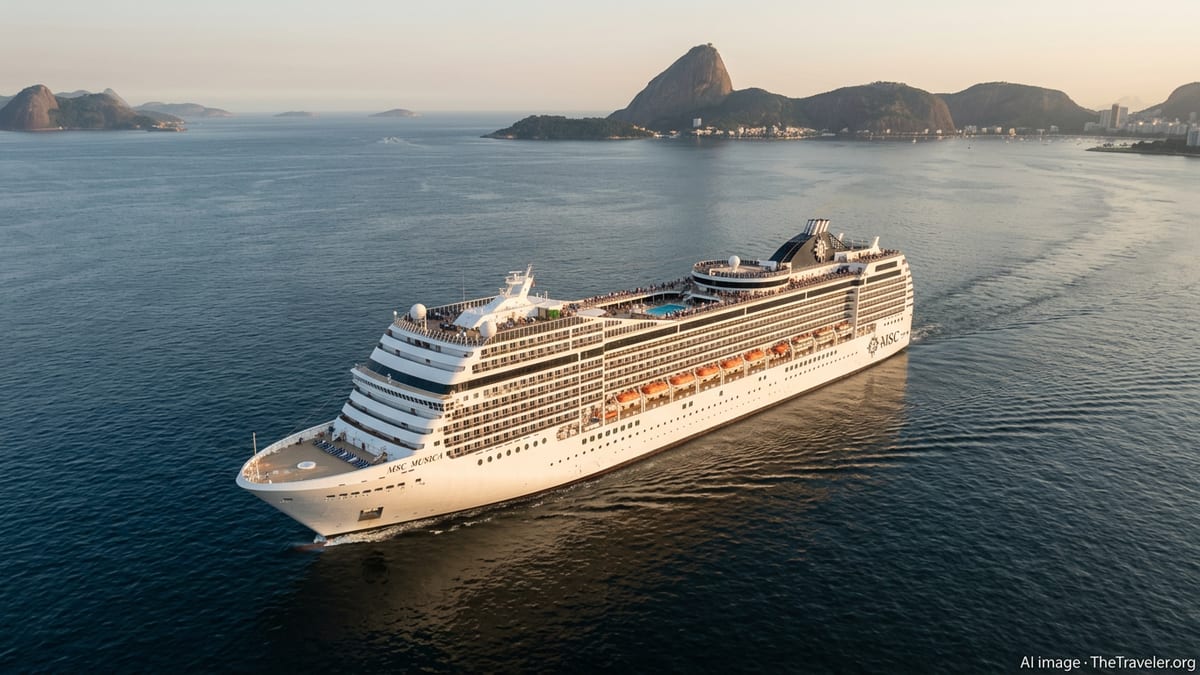
New Rio Departures Anchor an Expanded Role for MSC Musica
MSC Musica is set to play a more prominent part in MSC Cruises’ South American strategy, with the line confirming that the 2,500-plus guest vessel will operate a series of new departures from Rio de Janeiro during the 2026–27 Southern Hemisphere summer. The move comes as MSC recalibrates its regional fleet following earlier schedule changes and a refit that has freed Musica to take on additional itineraries along the Brazilian coast.
While Santos remains the ship’s primary turnaround port for much of the season, MSC Musica will now offer multiple cruises embarking in Rio between January and February, adding capacity in one of the region’s most in-demand gateways at the height of the holidays and Carnival period. These sailings are expected to attract both Brazilian travelers and international guests drawn by the combination of iconic city stays and warm-weather cruising.
The new pattern for MSC Musica forms part of a wider refresh of MSC’s South America deployment for 2026–27, which also includes larger vessels such as MSC Virtuosa, MSC Divina and MSC Splendida. Together, the ships underscore MSC’s ambitions to grow its share of the regional market while giving passengers more choice in embarkation ports and itineraries.
Seven-Night Coastal Routes Link Brazil, Argentina and Uruguay
The revised program for MSC Musica centers on weeklong cruises that blend Brazilian beach towns with classic River Plate cities. Sample itineraries marketed for late 2026 and early 2027 feature roundtrip and open-jaw sailings connecting Santos, Rio de Janeiro and southern Brazil with Buenos Aires in Argentina and Montevideo in Uruguay, often over seven to nine nights.
On Brazilian coastal legs, MSC Musica is scheduled to call at popular resort destinations such as Búzios, Ilha Grande, Ilhabela, Balneário Camboriú, Itajaí and Paranaguá. These ports give passengers easy access to Atlantic beaches, rainforest-backed bays and small-town waterfront promenades while keeping sea days relatively short, a pattern that has proven popular with Brazilian first-time cruisers and families.
Southbound segments toward the River Plate focus on the urban experience, offering days in Buenos Aires and Montevideo that are long enough for city tours, dining and evening shows. Some itineraries are expected to include late departures to allow guests to experience the cities’ nightlife before returning to the ship. For many passengers, the combination of coastal relaxation and big-city culture in a single itinerary is a key selling point of the new Musica program.
Rio De Janeiro Strengthens Position as a Regional Cruise Hub
The decision to base MSC Musica for several departures from Rio de Janeiro reinforces the city’s status as a central hub in South America’s cruise map. Already a highlight port for other MSC ships, Rio will see increased embarkation traffic as Musica joins MSC Splendida and additional vessels calling during the 2026–27 season.
For the city’s tourism industry, more homeport operations translate into higher pre and post-cruise spending as travelers tack on hotel nights in neighborhoods from Copacabana to Lapa. Local tour operators are preparing to expand offerings ranging from Christ the Redeemer and Sugarloaf excursions to samba experiences and visits to lesser-known beaches and viewpoints.
Port authorities in Rio have been working to accommodate the upsized deployment with operational and infrastructure improvements across recent seasons. Additional regular calls from MSC Musica are expected to provide further justification for ongoing investments, as cruise lines and destination officials seek to streamline turnaround days and enhance the passenger experience from pier to city center.
Broader Economic Impact Across Brazilian Coastal Cities
The ripple effects of MSC Musica’s expanded season will be felt well beyond Rio, particularly in mid-sized Brazilian ports that are gaining prominence as either embarkation points or regular calls. Cities such as Itajaí, Balneário Camboriú and Paranaguá are positioning themselves as cruise-friendly gateways, offering access to beaches, colonial centers and nature excursions while benefiting from steady visitor flows.
Local tourism boards and business groups in these ports see the Musica deployment as an opportunity to lengthen the high season and diversify their visitor mix. Regular ship calls encourage investment in waterfront promenades, tour infrastructure and hospitality services, while also supporting jobs tied directly and indirectly to cruising, from port logistics and ground handling to restaurants and retail.
As MSC and other lines refine their South American offerings, Brazilian officials have highlighted the role of cruise tourism in spreading economic benefits beyond the country’s largest cities. The fact that a mainstream vessel like MSC Musica is now scheduled to operate more intensively along the coast is being read as a vote of confidence in both the demand outlook and the ability of local ports to handle larger-scale operations.
Competitive South American Market Drives Fleet Realignment
MSC Musica’s upgraded role in South America is also a response to shifting dynamics in the regional cruise market. Following earlier adjustments, including the withdrawal of MSC Lirica from the area, MSC has redeployed capacity to match strong booking trends while maintaining a range of price points and onboard experiences across its fleet.
With bookings for the 2026–27 season opening well in advance, cruise retailers report that itineraries combining Rio, Santos, Buenos Aires and Montevideo are among the most actively searched, especially for New Year and Carnival sailings. Musica’s added Rio departures give MSC more inventory in that high-yield window, while the broader network of Brazilian coastal calls supports shorter, more affordable holiday options.
Industry analysts note that the expanded Musica program underscores how important South America has become in MSC’s global strategy. By leveraging a familiar ship with a strong following among Brazilian guests and pairing it with marquee ports such as Rio de Janeiro, the company aims to capture both repeat cruisers and international visitors seeking a structured way to explore the region’s cities and coastlines in a single voyage.