

More news on this day
As outdoor travel surges across the Pacific Northwest, Oregon’s Multnomah Falls is emerging again as a marquee destination, pairing dramatic scenery in the Columbia River Gorge with evolving access rules designed to protect one of the United States’ most visited natural landmarks.
Get the latest news straight to your inbox!
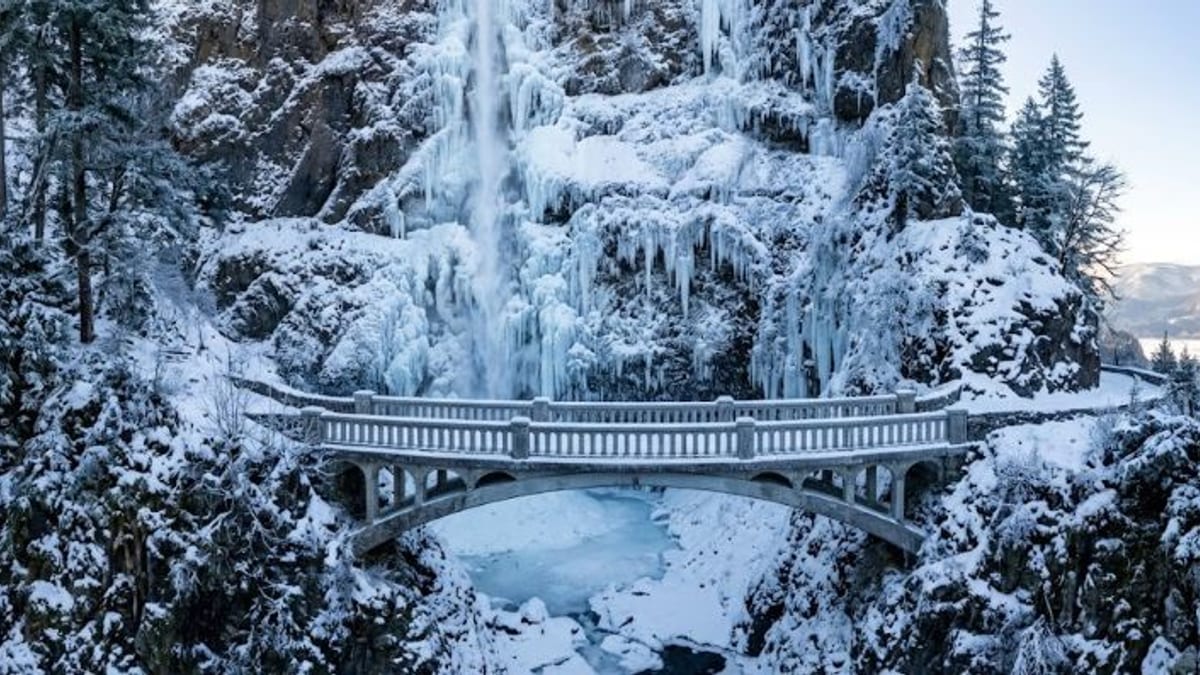
Image by Latest International / Global Travel News, Breaking World Travel News
A Towering Cascade in the Heart of the Columbia River Gorge
Multnomah Falls, about 30 miles east of Portland in the Columbia River Gorge National Scenic Area, continues to rank among the most recognizable waterfalls in the United States. Public information describes the two-tiered cascade dropping a combined 620 feet from basalt cliffs, with an upper plunge of more than 500 feet and a lower drop framed by lush temperate rainforest.
Fed by underground springs from nearby Larch Mountain, the waterfall flows year round, creating a reliable spectacle in every season. Spring snowmelt and winter rains typically produce the most powerful torrents, while summer brings clearer skies and easier hiking conditions. Autumn adds changing foliage that paints the surrounding canyon in golds and reds.
The broader Columbia River Gorge region, carved by ancient floods and volcanic activity, has been promoted by tourism and conservation groups as a showcase of Pacific Northwest geology. Steep walls, columnar basalt formations and a chain of nearby waterfalls make Multnomah Falls both a standalone attraction and a gateway to a larger scenic corridor.
Timed-Use Permits Aim to Tame Peak Season Crowds
With more than one million visitors a year in recent seasons, pressure on the narrow canyon and surrounding roads has led land managers to expand crowd-control measures. Publicly available information from federal and state agencies shows that timed-use permits are now a recurring feature of summer access when congestion is at its worst.
Current guidance indicates that visitors arriving by private vehicle at the Interstate 84 Exit 31 parking area are required to secure low-cost, timed-entry reservations during peak dates, typically running from late May into early September. The system is designed to spread arrivals throughout the day, limit gridlock at the freeway interchange and ease strain on emergency access routes.
Travel advisories emphasize that permits are linked specifically to the I-84 lot and that travelers can often avoid reservations by arriving outside the busiest daytime hours or by using shuttle services that operate along the Gorge. Local visitor bureaus also highlight that other nearby waterfall trailheads along the Historic Columbia River Highway may not require timed permits, although standard day-use or parking passes can still apply.
Transportation agencies continue to caution that construction projects on viaducts and segments of the Historic Columbia River Highway may lead to temporary lane closures or detours through at least 2026. Prospective visitors are urged to monitor official travel updates and trail status pages shortly before their trips.
Year-Round Adventure on Trails Above the Falls
Beyond the postcard view from the base of the falls and the famed Benson Bridge overlook, Multnomah Falls serves as a trailhead for several of the Gorge’s most popular day hikes. Forest Service materials describe the primary route to the top of the falls as a paved but steep trail with multiple switchbacks, gaining significant elevation over a relatively short distance.
Stronger hikers often continue past the main viewpoint to reach higher cascades and junctions with longer routes such as the Larch Mountain Trail and the Wahkeena Falls loop. Regional hiking guides characterize these routes as moderate to challenging, with sections of narrow tread, drop-offs and exposure to wet, slippery surfaces during rainy periods.
Recent online reports from hikers have noted that heavy winter storms and “atmospheric river” events can trigger rockfall, mudslides and temporary washouts on some segments above the primary viewpoints. Trail advocates advise checking the latest Forest Service alerts and local hiking forums for any closures or reroutes before attempting extended loops.
Even with those cautions, the network of trails climbing into the forested plateau continues to be a major draw for travelers seeking a full day of exploration rather than a brief roadside stop. On clear days, higher vantage points offer expansive views of the Columbia River and surrounding peaks.
Historic Lodge Marks a Century Beside the Falls
Anchoring the experience at the base of the cliffs is the stone-built Multnomah Falls Lodge, a landmark structure that opened in 1925 and is marking its centennial era. According to published coverage from regional tourism organizations, the lodge today houses a restaurant, snack bar, gift shop and interpretive displays about the history and geology of the area.
The building’s rustic architecture, including steep gabled roofs and masonry drawn from Gorge stone, reflects early 20th-century efforts to develop scenic tourism infrastructure along the Historic Columbia River Highway. The lodge has survived wildfire threats and periods of closure linked to regional blazes, reopening with updated visitor facilities and renewed emphasis on safety.
Visitor information indicates that the lodge typically maintains daytime operating hours, while the falls and outdoor viewpoints remain accessible around the clock, subject to weather and safety conditions. The presence of restrooms, food service and a staffed visitor center at the site has helped make Multnomah Falls a practical stop for families, tour groups and independent travelers alike.
Interpretive materials and volunteer programs in and around the lodge focus on educating visitors about responsible recreation, local tribal histories, rare plant communities and ongoing restoration work throughout the Gorge.
Planning a Responsible Visit to a Fragile Icon
As Multnomah Falls grows in prominence on social media and international travel itineraries, regional tourism agencies are placing more emphasis on responsible visitation. Guidance encourages travelers to arrive early in the morning or later in the evening to minimize crowding, respect signed closures and stay on established trails to reduce erosion and trampling of vegetation.
Visitors are widely urged to prepare for quickly changing weather, particularly in shoulder seasons when strong winds, mist and sudden rain are common in the Gorge even on otherwise mild days in nearby Portland. Recommendations typically include sturdy footwear, rain layers and sufficient water, especially for those planning to climb beyond the lower viewpoints.
Public messaging also stresses the importance of packing out all trash, keeping dogs leashed where allowed and using designated viewpoints for photography to prevent dangerous scrambling near cliff edges. With coordinated efforts among land managers, local communities and travelers themselves, the goal is to keep Multnomah Falls both accessible and resilient as outdoor recreation continues to surge across the region.