

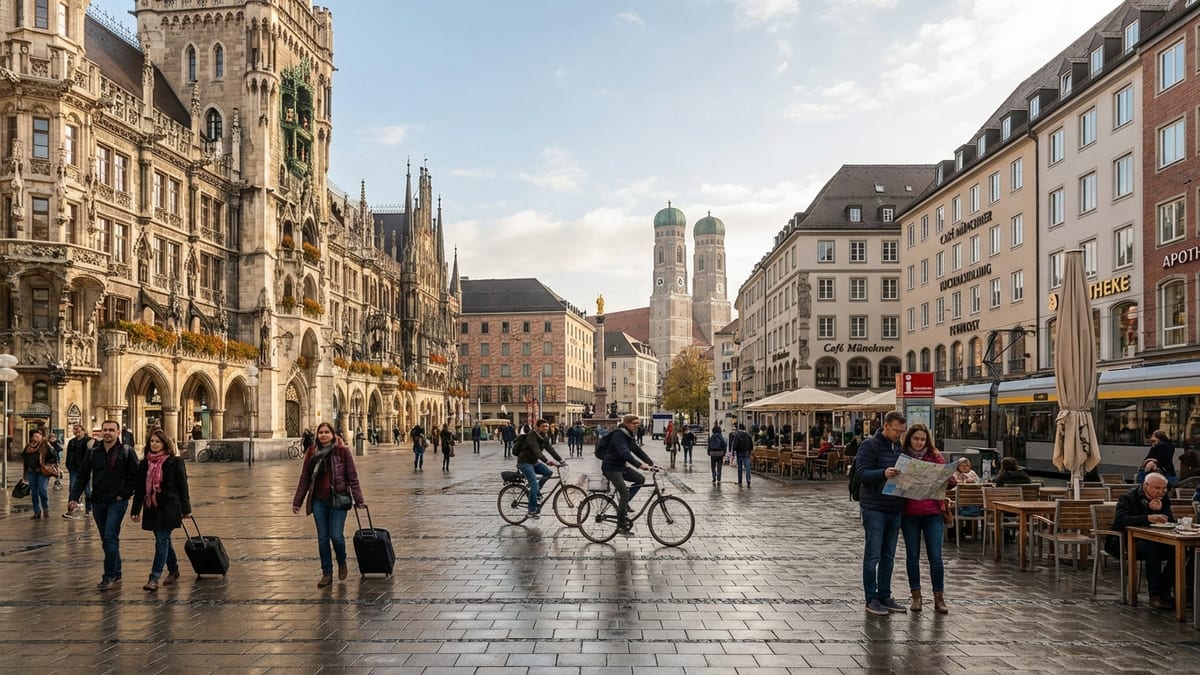
Munich blends old-world Bavarian charm with the confidence of a modern European city. For first-time visitors, it can feel both welcoming and a little overwhelming: royal palaces and beer halls, world-class museums and leafy riverbanks, seasonal festivals and quiet neighborhoods. This guide focuses on the essentials you need to plan a smooth, memorable first trip to Munich, with the latest information on getting around, what to see, how much to budget, and how to experience the city like a local.
Getting Oriented in Munich
Munich is the capital of Bavaria in southern Germany, set roughly an hour from the Alps by train or car. The compact historic center, known as the Altstadt, sits within what were once medieval walls. Most first-time visitors spend much of their time here and in the adjacent districts of Maxvorstadt, Schwabing, and Glockenbach, which are filled with museums, cafés, and nightlife. The city is cut by the Isar River, whose parks and gravel beaches offer relaxed green space in warmer months.
The heart of the city is Marienplatz, where you will find the New Town Hall and its famous Glockenspiel clock. From here, many major sights are within a 10 to 20 minute walk, including the Viktualienmarkt food market, the grand boulevard Maximilianstrasse, and the twin-towered Frauenkirche. Because the center is flat and pedestrian friendly, walking is often the simplest way to get your bearings, especially in your first day or two.
Beyond the historic core, Munich is organized into districts well connected by public transport. Maxvorstadt to the north is known for its art museums and universities. Schwabing, once the city’s bohemian quarter, still has a lively bar and restaurant scene. To the west and northwest lie the Olympic Park and BMW’s headquarters and museum. To the south, the Thalkirchen and Sendling areas provide easy access to the Isar and its river paths. Understanding this basic layout helps you choose accommodation that fits your interests and minimizes commute time.
Munich’s size is another advantage. With about 1.6 million residents, it is big enough to offer serious cultural depth but small enough that you rarely face the intense congestion of Europe’s largest capitals. For a first visit of three to five days, you can comfortably see major highlights, fit in a day trip or two, and still find time to linger in a beer garden or riverside park.
Arriving and Getting Around
Most international visitors arrive via Munich Airport, located about 30 kilometers northeast of the city center. The airport is connected to downtown by S-Bahn commuter trains, primarily lines S1 and S8, which run approximately every 10 minutes at peak times. The ride to central stations such as Marienplatz or Hauptbahnhof typically takes 35 to 45 minutes. Taxis and ride-hailing services are widely available at the airport, but they cost substantially more than the train and are often not much faster during busy periods.
Munich’s public transport network is one of the best in Europe. The system includes U-Bahn (subway), S-Bahn (suburban rail), trams, and buses, all integrated under the Münchner Verkehrs- und Tarifverbund. Tickets are valid across modes within the zones you purchase. As of early 2026, the city uses an expanded zone structure with the inner city forming the core where most tourists spend their time. For many first-time visitors, the most convenient options are a day ticket covering inner zones or multi-day city passes that bundle unlimited transport with museum and attraction discounts.
If you plan to rely on public transport, consider purchasing a regional or city card that fits your itinerary. Various versions offer unlimited travel within Munich’s transit zones, sometimes combined with free or discounted entry to major sights. For example, offerings marketed as city tourist cards typically include reduced admission to museums, guided tours, and selected attractions along with travel on U-Bahn, S-Bahn, trams, and buses for 24 to 120 hours. These passes are usually available at ticket machines, tourist information desks, and many hotels, and they can quickly pay for themselves if you ride more than a few times a day.
Bicycles are a popular way to move around Munich, especially from late spring through early autumn. The city has an extensive network of bike paths and shared lanes, and many hotels provide rental bikes or partner with nearby shops. Several app-based bike and scooter services also operate in the city. If you cycle, stay alert at intersections and follow local traffic rules: cyclists typically ride in marked lanes and obey traffic lights just like cars. Helmets are not mandatory for adults but are strongly recommended.
When to Visit and What to Expect
Munich is a year-round destination, but the experience changes dramatically with the seasons. Spring, from April through early June, brings mild temperatures, blossoming parks, and fewer crowds. It is a good time for museum visits combined with strolls in the English Garden or along the Isar. Summer, especially July and August, can be warm, with temperatures occasionally climbing above 30 degrees Celsius, but the city’s many beer gardens and outdoor swimming areas make the heat pleasant for most visitors.
Autumn is perhaps Munich’s signature season. In late September and early October, Oktoberfest transforms the city into a magnet for festivalgoers. The 2025 edition, for example, is scheduled from September 20 to October 5, continuing the tradition of spanning roughly two weeks and ending on the first Sunday in October. During this period, hotel rates rise sharply and availability shrinks, particularly near the Theresienwiese fairgrounds and central districts. If you plan your first visit around Oktoberfest, book accommodation well in advance and budget extra for food, drink, and transport.
Outside of Oktoberfest, September and October still offer comfortable weather and a more relaxed atmosphere. Trees in the English Garden and city parks turn golden, and the lower sun gives Munich’s historic architecture a warm glow. Winter, from late November through February, is cold and often gray, but it brings Christmas markets, traditional concerts, and a quieter, more intimate feel in museums and churches. Snow is possible, especially in January and February, though it may not linger long in the city itself.
Weather in Munich can shift quickly at any time of year. Even in summer, a sunny afternoon can yield to a fast-moving thunderstorm, while spring can swing between cool and almost summery days. Pack layers, including a light waterproof jacket, and comfortable walking shoes that can handle both sun and rain. In winter, a warm coat, hat, gloves, and waterproof footwear make city exploring far more enjoyable. Regardless of season, indoor attractions provide easy backup options when the weather turns.
Top Sights and Neighborhood Highlights
For a first-time visitor, the best approach is to combine Munich’s headline attractions with time in a few distinctive neighborhoods. Start in the Altstadt around Marienplatz. Beyond watching the Glockenspiel chime and figures dance on the New Town Hall, step into the nearby Frauenkirche to see its soaring interior and climb one of the towers when open for panoramic views. Then wander to Viktualienmarkt, where stalls sell fresh produce, cheeses, sausage, and Bavarian specialties. The central beer garden here is a good place to try your first Maß of beer in a setting that locals genuinely use.
From the historic center, head to the Munich Residenz, the former palace complex of the Bavarian rulers. Its ornate rooms, treasury, and courtyards give a sense of the region’s wealth and political power. Nearby, the wide boulevards of Odeonsplatz and Ludwigstrasse showcase 19th century architecture influenced by Italy and the classical world. A short walk north leads into the English Garden, one of Europe’s largest urban parks, where you can watch river surfers ride the Eisbach wave or relax at a shaded beer garden around the Chinese Tower.
Art lovers should set aside at least half a day in Maxvorstadt, home to three major painting collections: the Alte Pinakothek, Neue Pinakothek’s relocated works, and the Pinakothek der Moderne. Together they cover European art from the Old Masters through 19th century works and modern and contemporary pieces. The area also boasts smaller museums, such as the Lenbachhaus, renowned for its collection of Blue Rider movement paintings. Between museums, you will find student cafés, independent bookstores, and leafy squares that give Maxvorstadt an easygoing university atmosphere.
To see a different side of Munich, travel northwest to the Olympic Park, site of the 1972 Olympic Games. The park’s tent-like stadium roof remains a striking piece of architecture, and the surrounding grounds offer lake views, walking paths, and seasonal events from concerts to sports. Adjacent to the park is the BMW complex, including the sculptural BMW headquarters tower and the company’s museum, which traces the history of its cars and motorcycles. Even non-enthusiasts often enjoy the design and engineering focus here.
Food, Drink, and Beer Culture
Bavarian food is hearty and rooted in local traditions. For many visitors, a first meal involves roast pork with crackling, potato dumplings, and cabbage, or classic Weisswurst, the white veal sausage traditionally eaten before noon with sweet mustard and a pretzel. Beer halls such as the Hofbräuhaus and Augustiner-Keller serve these staples alongside large beers and live music. While these venues can be busy and touristy, especially in the evening, they also attract local groups and families, particularly in the earlier hours or in their beer gardens.
Beer itself plays a central role in Munich’s identity. Local breweries adhere to the centuries-old Bavarian Purity Law, which historically limited ingredients to water, barley, and hops. You will encounter a range of styles, from pale Helles lager and malty Dunkel to wheat-based Weissbier. During special seasons, such as spring and the Oktoberfest period, stronger festival beers appear. Prices have risen in recent years, especially at large events, so be prepared for a liter of beer in central locations or festival tents to cost noticeably more than in smaller cities or neighborhood pubs.
Beyond traditional fare, Munich’s food scene has become increasingly diverse. You can find high-quality Italian, Turkish, Vietnamese, and Middle Eastern options alongside vegetarian and vegan restaurants. The Viktualienmarkt and other local markets are good places to graze on cheeses, olives, and regional specialties, while the neighborhoods of Glockenbach and Schwabing are dotted with modern bistros and brunch spots. Coffee culture is strong, and independent cafés are easy to find, often doubling as informal workspaces for students and freelancers.
If you want to experience beer culture in a more relaxed way, prioritize beer gardens over indoor halls, particularly in warmer months. Classic gardens such as the one at the Chinese Tower or Hirschgarten allow you to bring your own food to certain sections while purchasing drinks from on-site stands. Locals often arrive with baskets of pretzels, cold cuts, and salads, making a casual picnic of it. Sit at long shared tables, be open to conversation, and you will quickly understand how these spaces function as outdoor living rooms for the city.
Practical Essentials: Money, Safety, and Etiquette
Munich uses the euro. Card acceptance has improved significantly across Germany in recent years, and most hotels, larger restaurants, and shops now accept major credit and debit cards. However, cash remains useful, especially in smaller bakeries, local markets, beer gardens, and at some festival stands. ATMs are common in central areas, but it is wise to withdraw money from machines attached to major banks rather than standalone units. For a short stay, many visitors find a mix of card payments and a modest amount of cash offers the best flexibility.
Prices in Munich are higher than the German average. Accommodation, restaurant meals, and festival spending can add up quickly. To manage costs, consider staying a bit outside the immediate city center in well-connected districts such as Giesing, Westend, or Neuhausen, where hotel rates may be lower while still offering easy U-Bahn or tram access. For meals, mix sit-down restaurant visits with faster, more affordable options like bakery sandwiches, market stalls, and self-service cafeterias attached to department stores or museums.
In general, Munich is a safe city for travelers, including solo visitors. Petty crime such as pickpocketing occurs in busy tourist areas, major train stations, and large events, so standard precautions apply: keep valuables secure, stay aware in crowded trains and festivals, and avoid leaving bags unattended. At night, central areas remain busy and well lit, but use common sense when walking in unfamiliar neighborhoods. If you attend large gatherings such as Oktoberfest or major football matches, be prepared for dense crowds, security checks, and occasional temporary closures of venues or access points to manage capacity.
Local etiquette is straightforward. Punctuality is valued; arriving a few minutes early for tours or reservations is appreciated. In restaurants with table service, rounding up the bill or adding about 5 to 10 percent as a tip is customary, paid directly to the server in cash or specified when you hand over your card. Germans typically speak directly and appreciate clear communication, but staff in hotels, museums, and many restaurants are used to international guests. A few basic German phrases, like greeting with “Guten Tag” or saying “Bitte” and “Danke,” go a long way toward friendly interactions.
Day Trips and Seasonal Events
One of Munich’s greatest advantages is its location as a base for day trips. The most popular excursion is to Neuschwanstein Castle near Füssen, roughly two hours away by train and bus or by car. While the fairy-tale castle attracts heavy crowds, careful planning with timed-entry tickets helps reduce waiting. Closer to the city, the lakes of Starnberg, Ammersee, and Tegernsee offer swimming, sailing, and lakeside walks in warm weather, with frequent regional train connections.
History-minded visitors often visit Dachau, a short ride from Munich, to tour the former concentration camp memorial site. The experience is somber and emotionally demanding, but many travelers consider it an essential stop for understanding 20th century history. Guided tours, including those departing from central Munich, provide context and structured time on-site. For a lighter outing, head to the town of Regensburg or the baroque city of Augsburg, both reachable in under two hours and offering well-preserved historic centers.
Seasonality should guide your day trip choices. In summer and early autumn, the Alps beckon with hiking, mountain railway rides, and panoramic viewpoints near destinations such as Garmisch-Partenkirchen or the Zugspitze, Germany’s highest peak. Winter brings skiing and snowboarding opportunities in Bavarian alpine resorts, though travel times are longer and conditions vary with weather. Throughout the year, regional trains and discount day tickets make it relatively affordable to explore beyond city limits, especially if you travel after morning rush hours.
Within Munich, the annual events calendar extends well beyond Oktoberfest. Spring festivals, open-air concerts, and smaller neighborhood fairs take place from late April through September. In the weeks leading up to Christmas, multiple markets open across the city, including the large Christkindlmarkt around Marienplatz and more intimate themed markets in other squares. These events knit together local traditions, seasonal food, and convivial socializing, giving first-time visitors a deeper glimpse into Bavarian life.
The Takeaway
For a first-time visitor, Munich offers a rare balance of big-city culture and village-like warmth. With a little planning, you can move easily from Gothic churches to modern art galleries, from palace courtyards to riverside lawns, and from serious history to cheerful beer gardens. Understanding the city’s layout, transport options, and seasonal rhythms will help you choose the right time to visit, the right neighborhood to stay in, and a mix of experiences that fit your interests and budget.
Focus on a few key areas rather than rushing to see everything. Spend unhurried time in the historic center, explore at least one major museum district, and leave room for an afternoon in the English Garden or by the Isar. If your schedule allows, take a day trip that contrasts with urban Munich, whether that is a lakeside village, a mountain town, or a nearby historic city. Along the way, lean into local customs: share a table in a beer garden, try regional dishes, and join residents in simply enjoying the city’s public spaces.
Munich rewards repeat visits, but even a short first stay can be rich and varied. With the essentials of transport, timing, and expectations in hand, you will be well prepared to experience Bavaria’s capital confidently and at your own pace.
FAQ
Q1. How many days should a first-time visitor spend in Munich?
Most first-time visitors find that three full days is the minimum to see central highlights, with four to five days allowing time for a day trip or a slower pace. If you want to include excursions to Neuschwanstein Castle or the Alps, consider adding at least one or two extra nights.
Q2. Is Munich safe for solo travelers and at night?
Munich is generally considered one of Germany’s safer large cities, including for solo travelers. Central areas and main transport hubs are usually busy and well lit into the evening. As in any city, use common sense: keep valuables secure, stay aware in crowded places, and prefer official taxis or well-known ride services at night.
Q3. Do I need to speak German to get around Munich?
No, you can manage easily without German, especially in hotels, museums, major restaurants, and tourist sites where staff typically speak good English. However, learning a few basic phrases helps with politeness and can be useful in smaller shops or more residential neighborhoods.
Q4. What is the best way to get from Munich Airport to the city center?
The most practical option for most travelers is the S-Bahn train, lines S1 or S8, which connect the airport with major central stations like Marienplatz and Hauptbahnhof in about 35 to 45 minutes. Trains run frequently and are significantly cheaper than taxis. Taxis are convenient if you have heavy luggage or arrive very late, but expect higher costs.
Q5. When is Oktoberfest, and should a first-time visitor plan a trip around it?
Oktoberfest typically runs from mid or late September to the first Sunday in October. In 2025, for example, it is scheduled from September 20 to October 5. Visiting during the festival offers a unique cultural experience but also means higher prices, heavier crowds, and limited hotel availability. If you prefer a calmer introduction to Munich, consider visiting at another time and perhaps experiencing a smaller local festival instead.
Q6. Are credit cards widely accepted in Munich?
Card acceptance has improved markedly, and most hotels, larger shops, and many restaurants accept major credit and debit cards. However, some smaller businesses, market stalls, and beer gardens still prefer cash. It is wise to carry a modest amount of euros for small purchases and places that are cash-only.
Q7. What should I wear to fit in with locals in Munich?
Day-to-day style is relaxed but neat. In most settings, smart-casual clothing such as jeans or trousers, simple tops, and comfortable shoes works well. Traditional dress like dirndls and lederhosen is mainly worn at festivals and special events. Weather can be changeable, so pack layers and, in cooler months, a warm, waterproof jacket.
Q8. How early should I book accommodation for a trip that includes Oktoberfest?
If you plan to visit during Oktoberfest, it is wise to book accommodation several months in advance, especially if you want to stay close to the city center or the Theresienwiese fairgrounds. As the festival approaches, prices rise and availability drops sharply. For other times of year, booking four to eight weeks ahead is usually sufficient unless specific events or trade fairs are scheduled.
Q9. Can I see the Alps on a day trip from Munich?
Yes, the Alps are close enough for a day trip. Towns like Garmisch-Partenkirchen or lake regions such as Tegernsee can be reached in roughly one to two hours by train or car, depending on your destination. For a first visit, organized day tours or straightforward train routes make it easy to enjoy mountain scenery without complicated logistics.
Q10. Is it necessary to tip in restaurants and beer halls?
Tipping is customary but more modest than in some countries. In places with table service, rounding up the bill or adding about 5 to 10 percent is considered polite. You usually tell the server how much you want to pay in total when handing over cash or your card, rather than leaving money on the table after you leave.