

Few destinations inspire as much pre-trip daydreaming as Japan. Images of neon-soaked streets, vermilion shrine gates, cherry blossoms and steaming hot springs flood social media feeds and guidebooks alike. Yet with popularity comes a reasonable doubt: do Japan’s most talked-about places actually live up to their global hype, especially now that the country is welcoming record numbers of visitors each year? The answer, when you choose carefully and travel thoughtfully, is yes. The following destinations are the rare spots that not only match expectations but often exceed them once you step into their streets, gardens and mountain air.
Tokyo: Electric Skyline, Human Scale Moments
Japan’s capital is usually the first stop on the so-called Golden Route, and for many visitors it is also the most surprising. Photos of Shibuya Crossing and the skyline around Tokyo Skytree suggest a city that is overwhelming, almost abstract in its scale. On the ground, however, Tokyo quickly resolves into a patchwork of human-scale neighborhoods, each with its own rhythm. The real magic of the city is not only the instant-hit icons, but the way ultramodern towers and quiet backstreets sit side by side, inviting you to move between them in a single afternoon.
Shibuya Crossing remains as dazzling as ever, especially at dusk when office windows glow and the giant screens surrounding the intersection come into full color. Nearby, Shibuya’s elevated viewpoints and casual rooftop terraces show the city from above, giving you a sense of its density without the crush at street level. Over in Asakusa, the contrast is striking. Here, Sensoji Temple, one of Tokyo’s oldest Buddhist temples, anchors a neighborhood of low-rise streets, traditional snack stalls and covered shopping arcades. Despite the crowds, lanterns, incense and the sound of temple bells create a genuinely atmospheric experience that feels rooted in centuries of continuous use.
What keeps Tokyo from becoming a caricature of itself is how easily you can escape the busiest corners. A short train ride from the central hubs takes you to quieter districts where everyday Tokyo unfolds. In Yanaka, one of the few areas that survived wartime bombing, narrow lanes, small family-run shops and neighborhood shrines offer a slower rhythm that feels worlds away from Shibuya’s video screens. In Odaiba and the redeveloped waterfront districts, new cultural complexes and digital art museums have become headline attractions for international visitors, adding another layer to Tokyo’s already varied appeal.
For travelers worried about overtourism, Tokyo absorbs numbers better than almost anywhere else in the country, simply because of its size. Trains are frequent, neighborhoods are dispersed and there is always another cafe or side street to duck into. Despite its fame and the endless stream of photos it generates, Japan’s capital still rewards curiosity and close attention, proving that its reputation as one of the world’s great metropolises is fully deserved.
Kyoto: Classic Japan Under Real-World Pressure
Kyoto is the place many visitors picture when they think of “traditional Japan.” Its wooden townhouses, temple gardens and narrow lanes of teahouses have made it a near-obligatory stop, and in recent years its popularity has soared. The city now regularly receives more annual visitors than it has residents, and authorities have begun tightening tourism rules, including new taxes and limited-access zones in response to overcrowding and pressure on local communities. Even with those real concerns, Kyoto remains a destination that can justify its fame for travelers willing to approach it with respect and a bit of planning.
Certain sights have become global symbols of Kyoto for good reason. Fushimi Inari Taisha, with its long tunnels of vermilion torii gates climbing into the forested hills, offers one of the most distinctive walks in Japan. Arrive early in the morning or later in the evening, and there are still moments when the crowds thin and you can hear only the echo of footsteps on stone. At Kinkakuji, the Golden Pavilion shimmering over its reflecting pond, the scene is almost painterly. The visit is brief and highly structured, but the combination of architecture, water and manicured landscape still feels as striking as in any photograph.
Where Kyoto truly excels is in the spaces that encourage you to slow down. Zen temples such as Ryoanji and Nanzenji invite visitors to sit and contemplate dry landscape gardens and mossy courtyards rather than rush from one selfie spot to another. Arashiyama’s bamboo grove is famously crowded, yet the broader district, with riverside walks, hillside temples and less frequented bamboo paths, remains quieter once you step away from the main route. In the historic Gion district, signposted alleys now restrict where visitors can walk in order to protect residents, but main streets and designated public areas still offer a chance to experience the area’s distinctive wooden architecture and lantern-lit evenings.
Recent policy changes, including higher accommodation taxes that funnel funds into preservation and infrastructure, reflect a city trying to balance global interest with livability for residents. For travelers, that means a slightly more regulated experience, but also improved facilities and clearer expectations around behavior. Kyoto is no longer the easily romanticized, crowd-free city of older guidebooks. It is a living urban center grappling with its own popularity. Even so, when you sit under a maple tree in late autumn or watch temple lanterns glow after sunset, it is hard to deny that Kyoto still delivers the atmosphere and cultural depth that made it famous in the first place.
Nara Park: Sacred Deer and Deep History
Nara often appears as a day trip footnote, yet for many visitors it becomes a highlight that lingers long after the journey ends. Just under an hour from Kyoto or Osaka by train, the city’s central attraction is Nara Park, a broad green space dotted with ponds, shrines and temples. Here, herds of semi-wild deer wander freely, mingling with visitors in a way that feels almost surreal the first time you see it. Legend holds that these deer are messengers of the gods, and their protected status has helped them become an emblem of the city.
The novelty of feeding crackers to bowing deer explains much of Nara’s social media presence, and in person the encounters are just as memorable. What visitors do not always anticipate is the scale and historical significance of the cultural sites surrounding the park. Todai-ji, home to one of the largest bronze Buddha statues in the world, is an immense wooden structure that conveys the ambition and resources of Japan’s early capitals. Nearby Kasuga Taisha, with its long avenues of stone lanterns and vermilion halls nestled in forest, offers a very different atmosphere, soft and almost otherworldly in late-afternoon light.
Nara’s popularity has grown quickly, recently ranking near the top of nationwide destination searches among international travelers. That visibility comes with responsibilities for visitors. Local authorities and conservation groups regularly remind travelers that the deer are genuinely wild animals that can bite or butt if teased or overcrowded. Following simple guidelines, such as feeding only approved crackers and keeping bags and maps out of reach, helps protect both animals and humans. Staying on marked paths and avoiding attempts to pose too closely with the deer preserves the dignity of a place that is, at its core, a historic sacred landscape rather than an open-air petting zoo.
Despite rising visitor numbers, it is still easy to find a quiet corner of Nara Park, particularly if you venture up wooded trails or visit on a weekday outside peak cherry blossom or autumn foliage seasons. Small tea houses, pond-side benches and lesser-known subtemples reward those willing to step away from the main approach roads. Nara may be famous, but it has not yet lost the ability to surprise travelers who look beyond the most obvious photo opportunities.
Mount Fuji and the Fuji Five Lakes: The Icon in Real Life
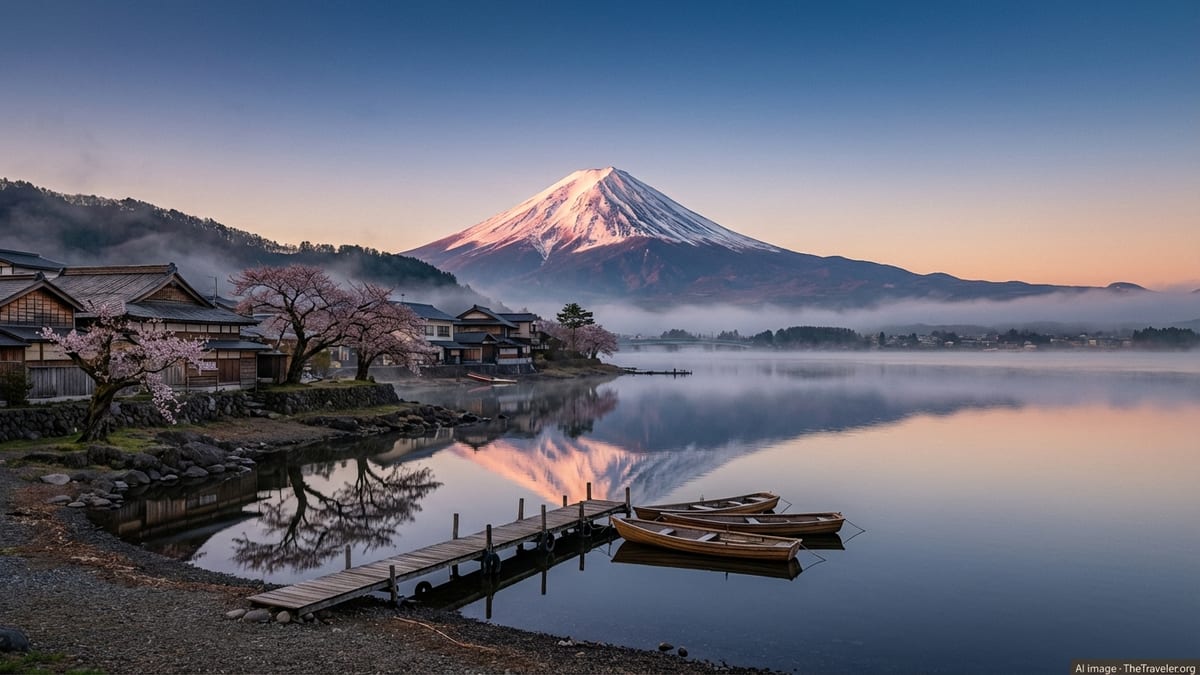
Mount Fuji is perhaps Japan’s most recognisable symbol, a near-perfect volcanic cone that appears on everything from woodblock prints to airplane safety cards. In reality, it is also a working landscape of small towns, lakes, farms and mountain trails that live under its changing silhouette. On clear days, the view of Fuji from the Fuji Five Lakes region in Yamanashi Prefecture is as close as reality gets to the classic images on postcards. Sunrise light turns the upper slopes pink, while evening can bring dramatic shadows and clouds curling around the summit.
In recent years, however, the intense popularity of certain viewpoints and festivals has led local authorities to rethink how they manage the influx. Some highly photographed cherry blossom events and specific vantage points have been scaled back or cancelled to address crowding, traffic and strain on local residents. The aim is to preserve everyday life and safety while still allowing visitors to appreciate the mountain’s presence. For travelers, this means it is more important than ever to verify current information on seasonal events, trail access and any new visitor guidelines before arriving.
Despite those adjustments, the Fuji region remains deeply rewarding. Around Lake Kawaguchi and the smaller neighboring lakes, onsen inns, modest guesthouses and cafes frame picture windows directly toward the mountain. On days when Fuji hides entirely behind clouds, the lakes still offer boat rides, cycling routes and forest walks that make the most of the highland climate. For those intent on climbing, the main ascent season is tightly controlled, and new reservation and capacity systems are gradually being introduced to improve safety and reduce environmental impact on the upper slopes.
The key to enjoying Mount Fuji is flexibility. Weather at the mountain is famously changeable, and it is not unusual for visitors to spend several days without a completely clear view. Building the region into a broader itinerary that includes hot springs, small museums and short hikes ensures the trip feels worthwhile regardless of visibility. When the clouds finally part and the volcanic cone appears above tiled roofs or across a reflective lake, the moment tends to feel earned, and entirely worthy of Fuji’s global fame.
Osaka and Universal Studios Japan: Urban Energy and Theme Park Thrills
Osaka has long lived slightly in the shadow of Tokyo and Kyoto in international imagination, yet within Japan it is celebrated as the kitchen of the nation and a place where everyday life feels particularly vivid. Neon signs, animated billboards and dense networks of restaurants in districts such as Dotonbori have made the city a magnet for travelers seeking casual food culture and nightlife. Here, the hype centers less on temples and more on takoyaki grills, okonomiyaki counters and bustling covered markets where vendors call out to passing customers.
In the past few years, Osaka’s profile has grown even more thanks to Universal Studios Japan, which now regularly tops nationwide rankings of frequently searched and visited spots among international travelers. For families and theme park fans, the combination of movie-inspired rides, seasonal events and meticulously detailed themed zones lives up to expectations. Lines can be long during holiday periods, but timed entry systems and express options help distribute crowds, while newer areas themed around popular game and film franchises draw devoted fans from around the world.
Balancing the park with the city itself makes for a more rounded visit. Osaka Castle Park provides a historical counterpoint to the modern skyline, particularly during cherry blossom season when the castle’s white walls rise above a ring of pale pink trees. Neighborhoods such as Shinsekai offer an older, slightly nostalgic atmosphere with narrow alleys, retro signage and local eateries, while the Umeda district’s towers and rooftop viewpoints show how thoroughly modern the city has become. Compared with smaller historic towns, Osaka absorbs visitors fairly easily, thanks to a dense rail network, wide sidewalks and a long-established hospitality industry.
For travelers who wonder if Osaka is worth adding alongside Tokyo and Kyoto, the answer is often yes, especially if food and nightlife are priorities. The city’s residents have a reputation within Japan for humor and directness, and that personality comes through in everything from comedy theaters to street food banter. As a complement to more formal or historic destinations, Osaka’s open, energetic character provides a welcome reminder that contemporary urban Japan is as much a reason to visit as its temples and gardens.
Hakone and the Onsen Heart of Japan
No image of Japan feels complete without the sight of outdoor hot spring baths steaming in cold air, yet onsen culture can seem intimidating from afar. Hakone, a mountainous region within easy reach of Tokyo, offers one of the most accessible introductions. Here, a ring of volcanic peaks encircles Lake Ashi, and natural hot springs feed a constellation of traditional ryokan inns and public baths. Many travelers arrive drawn by promises of Fuji views across the lake, but the real reason Hakone lives up to the hype is the experience of slowing down into onsen time.
Staying at a ryokan in Hakone often includes a multi-course kaiseki dinner, meticulously presented in your room or a small dining hall, followed by unhurried soaks in mineral-rich water. Indoor baths lined with cedar or stone provide shelter on colder nights, while outdoor rotenburo open directly to forest views, boulders and seasonal foliage. In winter, steam mingles with traces of snow on surrounding branches. In spring and autumn, birdsong and rustling leaves create a soundscape far removed from Tokyo’s train announcements and crossing signals.
A network of sightseeing routes, including ropeways, mountain railways and pirate-themed sightseeing boats on Lake Ashi, connects viewpoints, small museums and art spaces across the region. While some stops, such as the lakeside torii gate of Hakone Shrine, have become intensely photographed and therefore crowded at peak times, it is surprisingly easy to step off the main loop. Short hiking trails lead into quiet cedar forests, and lesser-known baths open to day visitors who prioritize soaking over sightseeing. Timed entry systems and occasional temporary closures at particularly busy vistas help prevent overtourism from overwhelming the delicate mountain environment.
Compared with more urban attractions, Hakone reminds travelers that the hype around Japanese hospitality and seasonal awareness is grounded in everyday practice. From the way inn staff quietly replace yukata robes and tea sets between baths to the emphasis on local ceramics and ingredients, the attention to detail feels consistent rather than curated solely for tourists. For many visitors, a night or two in Hakone becomes the emotional center of a trip, providing a sensory counterweight to city days and confirming that the country’s reputation for restorative hot springs is thoroughly earned.
Takayama and the Japanese Alps: Beyond the Golden Route
As Japan’s main cities and marquee sights experience unprecedented visitor numbers, more travelers are looking toward smaller destinations that still offer a sense of discovery. Takayama, a mountain city in Gifu Prefecture, is one such place. Set in the Japanese Alps, it has preserved a historic center of wooden merchant houses, narrow streets and riverside markets that feels distinct from both Kyoto’s temples and Tokyo’s glass towers. The town has gained international attention over the past decade, often appearing in rankings of top destinations in Asia, yet it still retains a relaxed, small-city character.
In the well-preserved Sanmachi Suji district, morning light falls across sake breweries marked with cedar balls, traditional inns and latticed facades. Local markets along the nearby river showcase regional produce, pickles and crafts, connecting visitors to the agricultural landscape that surrounds the city. Museums devoted to Takayama’s elaborate festival floats and to traditional farmhouses from the wider Hida region provide context that can deepen an appreciation of central Japan’s mountain culture.
Beyond the town itself, Takayama serves as a gateway to highland landscapes. Day trips reach hot spring villages tucked along river valleys and ropeways that ascend to viewpoints over the Northern Alps. Seasonal changes are dramatic. Heavy winter snow transforms the region into a quiet monochrome world, while spring and summer bring lush greens and clear mountain air. Unlike more heavily trafficked resorts, many of these areas still operate at a scale that feels intimate, with small inns and guesthouses rather than large hotel complexes.
For visitors interested in balancing famous must-see spots with places that feel a little less documented, Takayama and the surrounding Alps provide a compelling answer. You still find well-developed visitor services and clear signage, but the pace is slower and the interactions with local residents feel more personal. In an era when many Japanese destinations are grappling with overtourism, these upland towns demonstrate that it is still possible to experience the country’s celebrated hospitality and scenery without contributing as heavily to pressure on its most crowded sites.
The Takeaway
Japan’s recent tourism boom has made its star attractions busier and more carefully managed, but it has not stripped them of their power. Tokyo’s vastness still feels thrilling rather than merely chaotic. Kyoto’s temples, despite new rules and higher taxes, maintain an atmosphere that connects past and present. Nara’s deer, Fuji’s silhouette, Osaka’s street food and Hakone’s hot springs each deliver experiences that feel distinctly rooted in place instead of assembled purely for visitor consumption.
At the same time, the realities of overtourism, changing local regulations and environmental concerns mean that today’s traveler has a responsibility to approach these destinations with flexibility and respect. That may involve adjusting expectations about crowd levels, embracing early starts or late visits, and actively seeking out smaller cities and rural regions such as Takayama that can share the benefits of tourism more evenly. Supporting businesses that prioritize sustainability, following local guidance and spending more time in each location rather than racing between them can also reduce strain on communities.
Ultimately, what makes these must-see places in Japan live up to the hype is not just their visual impact, but the way they invite you into a different pace and sensibility. A quiet moment in a temple garden after tour groups have passed, an unhurried soak in an onsen with mountain air on your face, or a spontaneous conversation at a market stall in Osaka often becomes the true highlight, sitting within the frame of more famous landmarks. For travelers willing to look beyond the most staged images, Japan’s iconic destinations still have depth, nuance and everyday life to share.
FAQ
Q1. When is the best time to visit Japan’s most popular destinations?
The most comfortable months are typically March to May and late October to November, when temperatures are moderate and skies are often clear. These seasons coincide with cherry blossoms and autumn foliage, which are beautiful but also bring higher prices and thicker crowds. Traveling just before or after peak weeks, or focusing on early mornings and weekdays, can offer a better balance of atmosphere and accessibility.
Q2. How many days do I need for a first trip to Japan covering must-see spots?
For a first-time itinerary that includes Tokyo, Kyoto and at least one additional area such as Osaka, Hakone or Nara, around 10 to 14 days is a practical minimum. This allows time to adjust to the time difference, explore each city without rushing and include a slower-paced stop in the mountains or at hot springs. Shorter trips are possible, but they often require more selective choices and a willingness to prioritize depth over breadth.
Q3. Are Japan’s famous attractions too crowded to enjoy now?
Some iconic sites can feel very busy at certain times, especially during peak blossom and foliage seasons or major holidays. However, many visitors still report memorable experiences when they plan around the busiest hours, stay in central locations to walk rather than rely solely on peak-hour trains and include lesser-known neighborhoods or nearby towns. Awareness of new local regulations and willingness to book timed entries where available can also make visits smoother.
Q4. Is it better to stay overnight in places like Hakone or visit as a day trip?
While day trips from Tokyo are possible, staying at least one night in regions such as Hakone, the Fuji Five Lakes or Takayama generally leads to a more satisfying experience. Evening and early morning are often quieter, onsen baths can be enjoyed without rushing and you have a greater chance of catching clear mountain views around sunrise. Overnight stays also distribute tourist spending more evenly into local communities.
Q5. How should I travel between Tokyo, Kyoto and Osaka?
The high-speed shinkansen network is usually the most convenient way to move between these major cities, with frequent departures and journey times of only a few hours. Many international visitors consider rail passes or regional passes to reduce costs, although the best option depends on the exact itinerary. For shorter hops within a single region, local trains and buses are often sufficient and more economical.
Q6. Are onsen visits difficult for foreign travelers unfamiliar with the customs?
Most hot spring areas that are popular with visitors provide clear signage and guidance in multiple languages explaining bathing etiquette. Key points include washing thoroughly before entering the bath, keeping towels out of the water and maintaining a quiet atmosphere. Tattoos can still be restricted at some facilities, but more baths now offer private onsen or are explicitly tattoo friendly. Asking in advance or checking facility rules can prevent misunderstandings.
Q7. How can I visit Kyoto and Nara responsibly given overtourism concerns?
Travelers can help by respecting restricted areas, avoiding private residential alleys, following photography rules around residents and religious sites and keeping noise levels low in historic districts. Choosing accommodations that contribute to local preservation efforts, visiting in shoulder seasons and exploring lesser-known temples, markets and neighborhoods beyond the most famous photo spots can also reduce pressure on a small number of streets and sites.
Q8. Do I need to speak Japanese to enjoy these destinations?
Basic English is widely understood in many hotels, larger restaurants, major train stations and tourist information centers along the main travel routes. In smaller establishments and rural areas, communication may rely more on gestures, translation apps and simple phrases. Learning a handful of polite Japanese expressions and being patient and respectful goes a long way, and many residents are accustomed to helping visitors navigate everyday situations.
Q9. How far in advance should I book popular experiences and accommodations?
For peak travel periods, booking international flights and central accommodations several months ahead is advisable, particularly in Kyoto, Tokyo and near Mount Fuji. Some attractions and themed experiences now use timed-entry reservations that can open weeks or months in advance. On the other hand, shoulder seasons and weekdays may allow for more flexibility, especially in larger cities where there is a wide range of lodging.
Q10. Is it worth adding less famous regions if I have limited time?
Even with a tight schedule, including at least one smaller city or rural area, such as Takayama or another regional hub, can significantly deepen your impression of Japan. These places often feel less crowded, offer more direct interactions with local communities and showcase landscapes and traditions that differ from the big cities. Many travelers find that these quieter stops become some of the most meaningful parts of their trip, even if they require trimming the list of big-name attractions slightly.