

Colorado is one of those places that carries a near-mythic reputation: endless blue skies, serious mountains, cool cities, and more outdoor adventures than you could fit into a lifetime. After multiple trips across seasons, from powder days to summer road trips, I left with a deep appreciation for the state, but also a clearer sense of what actually delivers and what sounds better in a brochure than it feels on the ground. This is my candid Colorado travel review: what I loved, what disappointed me, and what I would do differently next time.
Denver: A Laid-Back Gateway I Mostly Loved
Denver is where most Colorado trips begin, and it is more than a simple layover. I loved how easy it was to land, hop on the train, and be downtown without needing a car right away. Union Station is both a transit hub and a social scene, with coffee, casual dining, and people-watching that immediately sets the tone for the trip. Denver’s air feels high and bright, the streets are generally walkable in core neighborhoods, and the city has a relaxed, outdoorsy energy that is hard not to like.
Neighborhoods like LoDo and the River North Arts District (RiNo) were highlights. LoDo’s historic warehouses and converted lofts give the city some texture, while RiNo’s murals, breweries, and food halls made evenings feel vibrant without being overwhelming. I liked Denver best when I treated it as a place to stroll, snack, and explore pockets of culture rather than chase a checklist of attractions. It works beautifully as a first or last night in Colorado, especially if you build in time to adjust to the altitude before heading higher into the mountains.
What I would skip or limit in Denver is trying to cram in too many tourist-oriented stops in a short window. Some of the most hyped spots get busy at peak hours, and chasing reservations or lines can quickly start to feel like any other big city weekend. Denver is at its best when you lean into the slower pace: grab a coffee, wander through street art, catch a game or a show if it fits, and save your energy for the high country. If you only have one or two nights, I would prioritize a walkable neighborhood stay and skip sprinting across town for a packed itinerary.
Rocky Mountain Drama: National Parks and Scenic Passes
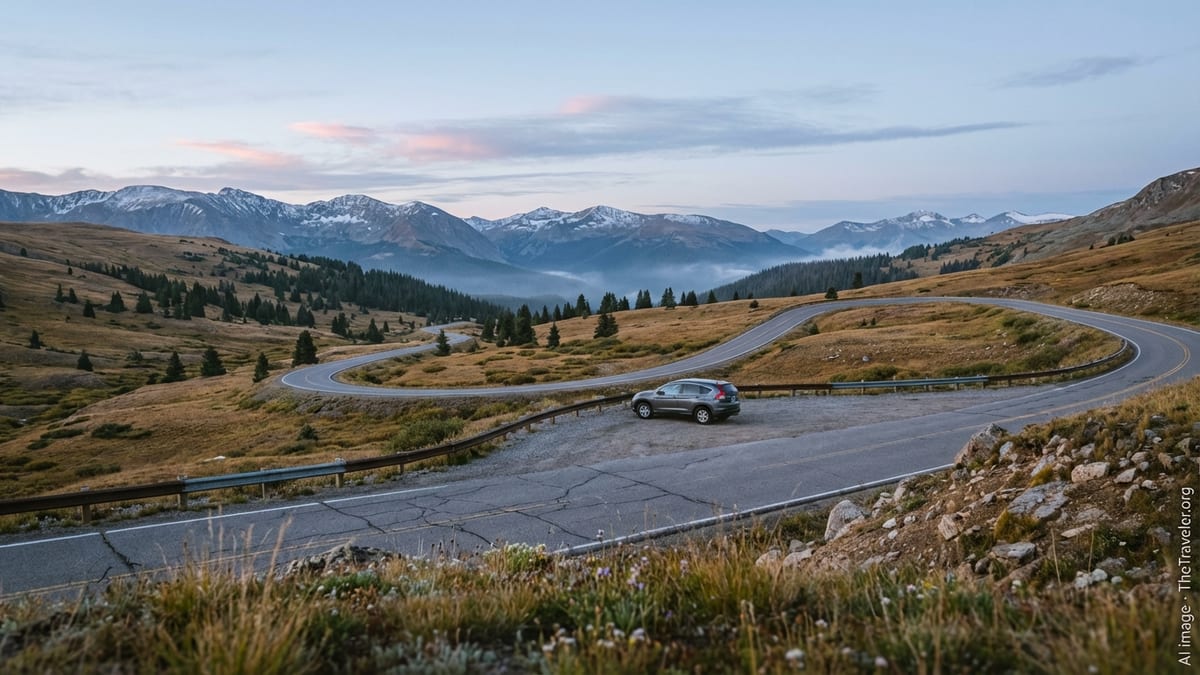
Colorado’s alpine landscapes are the reason many travelers come, and they did not disappoint. Driving high mountain passes in summer and early fall, watching the light shift across jagged ridgelines, remains one of my favorite travel memories anywhere. Routes like Independence Pass, which typically opens seasonally once avalanche control and road repairs are complete, deliver steep drop-offs, tight curves, and sweeping views that make even a seasoned road-tripper fall quiet. These roads feel wild and fragile, so I learned to check conditions carefully and respect closures rather than try to force a schedule.
Rocky Mountain National Park is as dramatic as its name suggests, with tundra plateaus, elk-filled valleys, and trail networks for every fitness level. I loved sunrise and early morning hours in the park most. The light is gentle, wildlife is active, and the parking lots have not yet filled. Timed-entry systems and reservation requirements can feel like a hassle when you are planning, but once you are inside, they help keep the experience closer to what people imagine when they picture the Rockies: not empty, but not completely overwhelmed either. Leaning into those systems, rather than fighting them, made a noticeable difference.
What I would skip, or at least be wary of, is trying to experience Colorado’s marquee scenic drives or national parks in the middle of a summer holiday weekend or peak foliage afternoon without any planning. Traffic, full parking lots, and crowded trailheads can sap the magic from even the most spectacular views. If your dates are not flexible, I would consider visiting lesser-known state parks, national forest trailheads, or scenic byways that do not trend on social media but still offer big mountain vistas with far fewer people. In Colorado, there is almost always an alternative view that is just as impressive and much less busy.
Ski Country Reality Check: Snow, Crowds and Costs
Skiing and snowboarding in Colorado live up to the hype when conditions line up: light snow, cold temperatures, and a midweek storm day can feel like a private mountain if you time it well. The terrain at major resorts is diverse, with everything from beginner groomers to steep bowls that challenge advanced skiers. When the weather cooperates, the combination of altitude, snow quality, and lift infrastructure makes for genuinely world-class days.
The trade-off is that Colorado’s ski industry has become a victim of its own success. Affordable multi-resort passes and easy highway access from Denver have created intense weekend and holiday demand. Long drives on the interstate, early-morning parking scrambles, and crowded base areas are now a normal part of peak-season skiing. Some resorts have turned to parking reservations, capacity management, and higher day-ticket prices to balance demand and experience, but from a traveler’s perspective the result is clear: spontaneous weekend ski trips, especially for budget-conscious visitors, are harder than they once were.
If you love skiing, I would not skip Colorado altogether, but I would reshape expectations. I would prioritize midweek visits, off-peak dates, or smaller and more local-oriented mountains that may have fewer high-speed lifts but also fewer lines and lower lodging prices. I would also think carefully before planning a first Colorado trip entirely around skiing if your budget is tight or you dislike crowds. You might have a better experience pairing one or two ski days with time in lower-key winter towns, hot springs, or snowshoe trails where the pace slows and the costs drop.
What I would personally skip in ski country is booking the most famous, highest-priced resort for a peak holiday and expecting a laid-back alpine escape. The mountains remain beautiful, and the snow can be excellent, but between traffic, parking rules, and the cost of everything from lift tickets to on-mountain food, the experience starts to feel more like a crowded theme park than a peaceful getaway. If that is your only option, go in with eyes open, pack patience, and remind yourself to look up at the mountains when the logistics feel frustrating.
Mountain Towns: Charm, Tourism Fatigue and Finding the Right Fit
Colorado’s mountain towns are one of its biggest draws. Places that started as mining settlements or railroad outposts now host cafes, gear shops, galleries, and festivals that cater to visitors from around the world. In many of these towns I felt the classic mix of small-town familiarity and mountain adventure: you start to recognize the same barista or bartender, local trails funnel right down to main street, and you can shift from a morning hike to an evening craft beer without moving your car.
At the same time, some communities are clearly grappling with tourism fatigue. Housing pressures, short-term rental rules, and fluctuations in visitor numbers have created a more complicated relationship between locals and tourism. As a visitor, I felt this most in small changes: slightly fewer services in shoulder seasons, more emphasis on responsible recreation messaging, and occasional reminders that certain spots, no matter how photogenic, are still part of someone’s daily life. Respecting that context, from parking where signed to keeping noise down at night, made a tangible difference in how welcome I felt.
I loved the mountain towns where I could park once and simply live at a slower pace. Towns with well-marked trail systems, walkable centers, and locally owned restaurants and bookstores stood out. Shopping at independent gear shops, asking for hiking or biking suggestions, and lingering in small museums or heritage centers turned what could have been a generic resort stay into something that felt grounded and specific to Colorado.
What I would skip is treating every mountain town interchangeably or chasing only the most glamorous names. Some of the quieter communities off the main highway network offered just as much scenery, with fewer crowds and more authentic-feeling encounters. If you have a car and some time, considering a loop that includes at least one lesser-known town can add balance to a trip otherwise focused on blockbuster destinations.
Front Range & Springs: Urban Comforts and Classic Sights
Beyond Denver and the high Rockies, Colorado’s Front Range cities and the Colorado Springs region offer a different flavor of trip. I appreciated Colorado Springs as a base for classic sights like Garden of the Gods, where sandstone formations rise against a backdrop of snow-tipped peaks, and for the easy access to family-friendly attractions. The region has invested heavily in tourism, and visitor numbers have continued to grow, which means a wide range of lodging, dining, and activity options.
For travelers who want mountain views without the higher prices and logistics of ski-country resorts, these areas can be an excellent compromise. You still get dramatic geography and plenty of hiking, but you also have big-box conveniences and a broader spectrum of restaurants and hotels at varying price points. For multigenerational trips or first-time visitors who are nervous about altitude or winter driving, this can be a gentler introduction to Colorado.
On the other hand, if your dream is remote wilderness and long stretches of solitude, some of the most popular Front Range attractions can feel busier than you might expect, especially on sunny weekends. Large parking lots, timed entries, and organized tours make them accessible but also more structured. I would not skip them entirely; they are iconic for a reason. But I would pair them with quieter open space preserves, lesser-known trail systems, or early-morning and weekday visits to recapture some sense of calm.
Personally, I found that alternating between these more built-up regions and the higher Rockies helped keep the trip balanced. A few days of intense activity and thin air in the mountains felt more enjoyable when I knew I had lower-elevation nights and wider restaurant choices coming next. If I were planning again, I would intentionally build a rhythm of “high country, then recovery time,” rather than stacking every big hike and scenic drive back to back.
Seasonal Strategies: When Colorado Shines and When It Strains
Colorado is a year-round destination, but not every season delivers the same experience. Winter brings skiing, snowshoeing, and frozen waterfalls, along with the highest risk of travel disruptions from storms and avalanche closures on high passes. Spring can feel like a transition season at higher elevations, with muddy trails and lingering snowpack, but it also offers quieter towns and lower prices. Summer opens the full alpine menu of hiking, camping, and wildflower meadows, while fall draws visitors for golden aspens and crisp days.
What I loved most were the shoulder seasons: late September into early October for fall colors, and late May to June or late September to October for hiking at lower and mid elevations. During these windows I still had to watch the weather and be flexible, but I encountered fewer crowds and often found better lodging value. Trails near the Front Range and in some mountain areas felt comfortably busy rather than crowded, and I could still get same-day tables at many restaurants.
What I would think twice about is arriving at the very peak of each season with a rigid checklist. Deep winter holidays and midsummer weekends in the most famous locations come with a real trade-off in crowds, traffic, and cost. If school calendars or work schedules leave you no choice, it is still possible to have a rewarding trip, but it becomes even more important to plan early, consider alternative locations, and accept that some places may feel more congested than the images that inspired you.
Another seasonal factor that surprised me was how quickly conditions change with elevation. A sunny, warm afternoon in Denver can coexist with winter driving conditions hours away on a high pass. That can be part of Colorado’s charm, but it means building flexibility into your plans and not overcommitting to tight, long-distance driving days. The most relaxed days of my trip were the ones where I let the weather and road reports guide me, rather than forcing the schedule I had drawn up at home.
What I Would Do Differently Next Time
Looking back, the best parts of my Colorado travels were almost always the simplest: walking through a Denver neighborhood with no agenda, pulling off at a random scenic overlook, or finding an unheralded local trail that did not require a reservation or fee. The more I tried to stack “must-see” stops into a short timeframe, the more stressed and less present I felt. If I were starting again from scratch, I would choose fewer bases, stay longer in each, and focus on depth instead of breadth.
I would also be more deliberate about transportation. Renting a car opened up scenic drives and small towns, but in the city it sometimes felt like an unnecessary complication. Next time, I would use rail and ride-shares for Denver and only pick up a car when I was ready to leave the metro area. On mountain passes, I would give myself shorter daily distances and more time to pull over and explore. Colorado’s best views are often just off the main route, but you need time and calm to appreciate them.
Finally, I would budget more realistically. Colorado is not the cheapest destination, particularly in resort areas and during peak seasons. Factoring in not just lodging but also lift tickets, guided activities, park fees, and restaurant prices can change the shape of a trip. Building in some self-catered meals, free hikes, and low-cost local experiences made the journey feel more sustainable and enjoyable. The state offers plenty of value if you look beyond the most obvious, heavily marketed options.
In the end, my Colorado review is deeply positive, but it comes with caveats. The mountains and skies are still incredible, but the popularity of many destinations means that thoughtful planning and managed expectations matter more than ever. If you approach Colorado with flexibility, respect for local communities, and a willingness to zig where others zag, you will likely come away with your own list of unforgettable moments.
FAQ
Q1. Is Denver worth more than a quick overnight stop?
Yes, if you have time. Denver rewards at least a full day or two for neighborhoods, food, and museums, and it is a good place to adjust to altitude.
Q2. When is the best time of year to visit Colorado for fewer crowds?
Late spring and early fall generally see fewer visitors than ski season and midsummer, while still offering good hiking and scenic drives at many elevations.
Q3. Do I need a car for a Colorado trip?
In Denver you can rely on trains, light rail, and ride-shares, but a car is very helpful or essential once you start exploring mountain towns and scenic byways.
Q4. How should I prepare for Colorado’s altitude?
Plan to take it easy the first day or two, drink plenty of water, avoid overexertion and heavy alcohol, and sleep at lower elevations when possible.
Q5. Are Colorado’s ski resorts still worth visiting given the crowds and costs?
They can be, especially midweek and outside peak holidays. Expect higher prices, plan ahead for parking or transit, and consider smaller or lesser-known ski areas.
Q6. Do I need reservations for national parks and popular attractions?
Some parks and attractions use timed-entry or reservation systems in busy seasons. Check requirements early and build flexibility into your schedule.
Q7. What are some good alternatives to the most famous mountain towns?
Smaller communities off the main highway corridors often offer similar scenery, access to trails, and a quieter atmosphere at lower prices than marquee resort towns.
Q8. Is winter driving in Colorado dangerous for visitors?
It can be challenging during storms or on high passes. Renting a suitable vehicle, checking road conditions, and giving yourself extra time all make a big difference.
Q9. How expensive is Colorado compared with other US destinations?
Major ski resorts and peak-season hotspots are on the higher end, while cities and smaller towns can be more moderate, especially outside holidays.
Q10. What is one thing you would absolutely repeat on a future Colorado trip?
I would absolutely repeat slow-paced scenic drives and early-morning hikes, focusing on fewer places and staying longer in each to fully enjoy the landscapes.