

Arizona has a way of getting under your skin long before you ever step foot in the desert. It is sold in saturated postcards of blazing sunsets over saguaros, empty highways slicing through cinematic red rock, and uncrowded vistas on the lip of the Grand Canyon. After several trips across the state in recent years, including through record tourism booms, extreme heat and smoky wildfire seasons, I have a clearer sense of how Arizona actually feels right now. This is my honest review of Arizona as a destination today, through the lens of expectations versus reality.
The Desert Dream vs the Growing Crowds
The classic expectation is that Arizona means endless, open desert where you might not see another car for miles. That image still exists, particularly in remote stretches of Sonoran Desert, on backroads near Organ Pipe Cactus National Monument, or long state routes north of Prescott. Yet the reality for many visitors is that their first introduction to Arizona is Phoenix at rush hour, with multi lane freeways, dense suburbs and a steadily expanding metro area that now dominates the central part of the state.
Tourism is thriving more than ever, with state data showing record visitor spending in 2024 and tens of millions of overnight visitors fueling hotels, restaurants and attractions. That surge means more tour buses at the Grand Canyon, more photo lines at Horseshoe Bend and more fully booked resorts in Scottsdale during peak season. It does not erase Arizona’s wide open spaces, but it does mean that solitude requires more intention, earlier mornings, and in some cases a willingness to drive a bit farther than the main viewpoints.
Places that once felt like hidden corners of the state now read as firmly on the tourist circuit. Page, once a sleepy stopover between national parks, is packed in spring and fall with visitors bound for Antelope Canyon and Lake Powell. Sedona, long a magnet for spiritual retreats and art lovers, can feel like a resort town first and a desert sanctuary second, particularly on holiday weekends. The romantic idea of Arizona as an undiscovered frontier is out of date; you are sharing this landscape with a lot of other people who have seen the same gorgeous photos you have.
There is a silver lining to the growth. More visitors support better dining, lodging and cultural offerings in places like Flagstaff, Tucson and smaller communities that once had only basic motels and chain restaurants. Arizona’s tourism infrastructure is, on the whole, stronger and more sophisticated than a decade ago. If your expectation is a raw, underdeveloped frontier, the reality might disappoint. If you expect a modern travel destination wrapped in spectacular scenery, your first impression will be closer to the truth.
Grand Canyon, Sedona and the Icon Problem
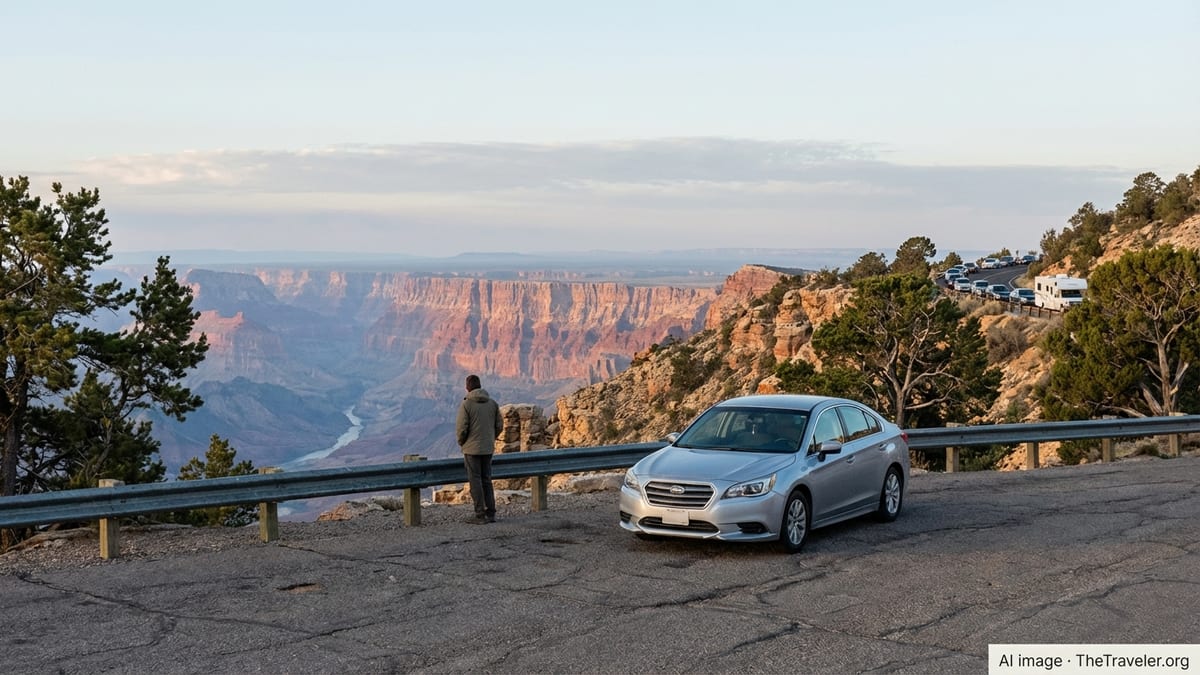
Few places in America are as heavily photographed as the Grand Canyon and Sedona, and expectations tend to be sky high. The Grand Canyon in particular is imagined as a tranquil, almost private communion with nature. In reality, the South Rim often feels more like a small city, with shuttle buses, lodges, restaurants, and crowds that peak during school holidays and summer. Viewpoints near the main village can be shoulder to shoulder at sunset, and on popular days parking lots fill early.
Once you get beyond that first layer, however, reality becomes more nuanced and in many ways better than expected. Short walks along the Rim Trail away from major bus stops, or early morning starts on Bright Angel or South Kaibab trails, still offer pockets of relative quiet. Seasonal closures and trail work reminders can interrupt plans, and in recent years wildfires and smoke in northern Arizona have occasionally affected visibility or access, including along the North Rim. Visitors now need to be more attuned to alerts and fire conditions than guidebooks of the past might suggest.
Sedona carries a different type of expectation: dramatic red rock backdrops, soft New Age energy and serene hikes among junipers. The rocks and light are every bit as dramatic as advertised, and sunrise on Cathedral Rock or the first glow on Bell Rock may exceed your mental image. The challenge is everything that comes with that beauty. Trailhead parking lots fill quickly in high season, vortex sites can feel crowded and commercial, and short term rentals have transformed some neighborhoods from quiet communities into near constant turnover of visitors.
If you arrive expecting empty trailheads and last minute dinner reservations with a red rock view, Sedona’s reality will likely frustrate you. If you prepare for it like a popular national park town instead, with timed starts, transit shuttles and advance bookings, the experience comes closer to the dream. The lesson is that the iconic spots in Arizona still earn their fame, but they demand more planning, patience and flexibility than their marketing brochures suggest.
Heat, Weather and the New Climate Reality
Many travelers expect Arizona to be hot. Fewer arrive prepared for how extreme and prolonged that heat can be, especially in the Phoenix and Tucson areas, or how much climate and weather now shape trip decisions. In recent summers, Phoenix has endured long stretches of days over 110 degrees Fahrenheit, with hundreds of suspected heat related deaths in Maricopa County during the hottest months. Advisories to limit outdoor activity during midday are not theoretical; they are a public health issue that visitors need to take seriously.
The monsoon season, typically mid June through September, adds another layer of reality that runs counter to the clear blue sky photos that sell desert vacations. Powerful thunderstorms can unleash intense lightning, sudden downpours, flash floods and the towering walls of dust known as haboobs that periodically sweep across the Phoenix basin. Weather and safety agencies emphasize that this is the most dangerous time of year weather wise in parts of Arizona, particularly when it comes to flash floods in canyons and low water crossings on roads.
Northern Arizona faces its own set of climate related stresses. Dry winters in recent years have raised concerns about severe wildfire seasons, and lightning sparked fires have forced evacuations and closures around the Grand Canyon and other public lands. In 2025 a major wildfire on the North Rim burned for months, destroyed structures including a historic lodge and underscored how quickly access to cherished viewpoints can change during fire season. Smoke can degrade air quality and visibility even when fires burn far from where you are staying.
For travelers, the climate reality of Arizona turns weather from a background consideration into a central planning factor. Early morning hikes, generous water consumption, sun protection and flexible itineraries that can shift indoors during heat waves or storms are now essential, not optional. If you arrive with a casual, “it is just dry heat” mentality, the reality can be sobering. Approach the desert with respect and the experience remains rewarding, but it is no longer accurate to treat Arizona’s weather simply as a minor inconvenience.
Phoenix and the Oasis Illusion
Phoenix, and to a degree Scottsdale and the surrounding suburbs, are often marketed as an oasis: shimmering resorts, palm lined pools and lush golf courses set against a clean blue sky. The expectation is a polished, sun soaked escape with efficient air conditioning and a golf cart never far away. Driving in from the airport, that first impression can hold. The resort corridors are manicured, dining options are wide ranging and the pool culture is very real.
Spend more time here, and a more complex picture emerges. Phoenix sits at the center of one of the fastest growing metro areas in the country, with freeways and low rise sprawl stretching in every direction. Traffic can be heavy, and a brown haze often hangs over the valley on stagnant days, a visible sign of the air quality challenges that regional reports have highlighted in recent years. Local sustainability goals make clear that the city is still working toward cleaner air and more livable summer conditions.
The illusion of an effortless oasis is also tested by water and heat realities. The greenery around resorts and golf courses is carefully managed against a backdrop of long running drought concerns across the Southwest. Extreme heat strains infrastructure and amplifies discussions about how sustainable the current growth model really is. Visitors may not see those debates firsthand, but they may feel their effects in the form of heat advisories, conservation messaging and the simple fact that a midafternoon walk in August is rarely practical.
All of that said, Phoenix can still be a rewarding base if you calibrate your expectations. The food scene is stronger and more diverse than its sunbelt stereotype suggests, with excellent Mexican, Native inspired and farm to table dining. Museums such as the Heard Museum and the Musical Instrument Museum offer real cultural depth, and sports events, festivals and desert preserves provide plenty to do in the cooler months. Think of Phoenix less as a mirage of endless leisure and more as a major desert city with real urban challenges and highlights, and your experience will better match reality.
Sedona, Flagstaff and the Myth of Endless Escape
For many travelers, the promise of Arizona lies in escape: cooler pines, spiritual retreats, quiet cabins and stargazing far from big city lights. Sedona and Flagstaff are often cast as the main antidotes to Phoenix’s heat and sprawl. Expectations run something like this: Sedona will be mystical and uncrowded, Flagstaff will be a sleepy mountain town with easy access to the Grand Canyon and the high desert beyond.
The reality is that both are busier and more complex than that. Sedona’s streets fill quickly on weekends, and roundabouts can back up with day trippers and jeep tours. Short term rentals and luxury resorts have driven up prices, and it is increasingly difficult to find last minute bargains in peak season. The town still has quiet corners, local art and excellent hiking, but you have to time your outings and, in some cases, embrace trail shuttles or lesser known routes to find space.
Flagstaff has emerged as a year round base for northern Arizona and in 2025 was recognized in regional travel awards as a standout destination. It has a laid back university town feel, craft breweries, and easy access to skiing in winter and hiking in summer. Yet it is also coping with its share of wildfire threats, smoke filled days when nearby forests burn, and occasional strains on infrastructure during peak visitation to the Grand Canyon and surrounding parks. On busy weekends, traffic between Flagstaff and the South Rim can be slow, and services in small gateway communities may be stretched.
If your expectation is that these towns will insulate you completely from the pressures facing the rest of the region, the reality will feel jarring. If instead you see them as vibrant communities navigating growth and climate pressures while still offering real mountain and red rock escapes, you will be better prepared. Booking shoulder season stays, respecting local concerns about water and fire, and treating these places as more than just backdrops for social media can go a long way toward a more authentic experience.
Culture, Indigenous Lands and What Often Gets Missed
Many first time visitors arrive with a postcard view of Arizona that rarely makes room for its living cultures. There can be an expectation that the state is a backdrop of national parks and Instagram friendly vistas, with perhaps a quick stop at a roadside trading post. The reality is that much of Arizona is Indigenous land, and Native nations shape the landscape, stories and access in ways that thoughtful travelers should acknowledge.
Experiences on Navajo, Hopi, Tohono O’odham and other tribal lands are not interchangeable souvenirs but invitations into communities with their own rules, traditions and ongoing challenges. Recent years have seen more structured tourism around certain sites, from guided visits in slot canyons near Page to cultural centers and museums that interpret local history in more nuanced ways. Some areas have also imposed stricter access or limited numbers for safety, preservation or community reasons, especially after the intense tourism surges that followed widely shared images online.
Beyond Indigenous cultures, Arizona’s Mexican and borderland heritage, mining history and ranching traditions all shape the feel of towns from Bisbee and Tucson to Jerome and Globe. Travelers expecting a cultural blank slate may be surprised by the depth of regional foodways, historic districts and local festivals. They may also be challenged by visible inequalities, from migrant issues in border communities to housing pressures in booming cities and resort towns.
To bridge the gap between expectation and reality, approach Arizona with cultural curiosity rather than a purely scenic checklist. Seek out Native run businesses and tours, small community museums and local food spots beyond the main resort corridors. Accept that not every place you have seen in photos will be open on your own terms, and that some sites carry stories of loss and resilience that complicate a simple vacation narrative. That complexity is part of what makes Arizona more interesting than its marketing slogans.
Practical Lessons: Planning for the Arizona You Will Actually Meet
So what does all of this mean if you are planning a trip now, in the second half of the 2020s, with all the climate, tourism and growth realities that implies. The first lesson is timing. Shoulder seasons in spring and fall still offer some of the best balance between reasonable temperatures and manageable crowds, especially in Phoenix, Tucson and the lower desert. High summer brings school holidays but also dangerous heat in the south and monsoon complications across the state, while winter can be delightful in the desert but wintry and at times snowy in higher elevations.
The second lesson is flexibility. Fires, floods, dust storms and heat waves can alter roads, trails and access to popular areas with little notice. Having backup hikes, alternate scenic drives and indoor options built into your plan will keep your trip from hinging on one viewpoint or one specific day. It also pays to check state and federal agency alerts for park conditions and road closures in the days before you travel, since older guidebooks and even some online reviews lag behind current realities.
The third lesson is humility about the desert. That means carrying and drinking more water than you think you need, avoiding ambitious midday hikes in summer, taking heat alerts and flash flood warnings seriously, and recognizing that a camera friendly canyon can become a dangerous chute during a storm. It also means acknowledging that you are a guest in communities working hard to balance tourism with local life, fire risk, water constraints and cultural integrity.
With that mindset, the reality of Arizona can actually feel richer than the flat perfection promised by travel posters. The state’s mix of world class landscapes, complex cities, living cultures and very real environmental challenges makes it one of the most instructive places to travel in the United States right now. The key is to trade fantasy for engagement, and postcard expectations for an honest relationship with the desert.
The Takeaway
My expectations of Arizona were shaped by years of iconic imagery: saguaros at sunset, the Grand Canyon under fresh snow, Sedona’s red rocks bathed in golden light. Those scenes exist, and on good days they are even more powerful in person than on any screen. What I did not fully anticipate was how much work and awareness it now takes to experience them responsibly and comfortably, and how intertwined Arizona’s beauty has become with questions of climate, growth and sustainability.
The reality of Arizona today is that it is neither a doomed wasteland nor an effortless playground. It is a state where record tourism and extreme weather coexist, where cities chase ambitious clean air and water goals even as they sprawl outward, and where Indigenous and local communities negotiate the benefits and burdens of being on the travel world’s wish list. As a visitor, you are part of that equation the moment you book a flight or choose a trail.
If you arrive expecting only a low stress escape, you may find Arizona more demanding than you hoped. If you come prepared to adapt to heat, respect weather and fire, learn from the cultures whose land you are on, and share the most famous viewpoints with many others, the state will likely exceed your expectations in depth and meaning. In that sense, Arizona remains one of the most compelling destinations in the American West, not in spite of its contradictions but because of them.
FAQ
Q1. When is the best time of year to visit Arizona to avoid extreme heat?
The most comfortable months for most travelers are typically late October through April in the low desert, and late May through early October at higher elevations like Flagstaff and the Grand Canyon. Summer visits to Phoenix and Tucson can be rewarding but require strict heat precautions.
Q2. Is it still safe to hike in Arizona during monsoon season?
Hiking can be safe if you plan carefully, start early, and stay flexible. You should avoid narrow canyons and washes when storms are forecast, keep an eye on the sky, and be prepared to turn around at the first sign of lightning, heavy rain or rising water.
Q3. How bad are the crowds at the Grand Canyon and Sedona now?
Both destinations see heavy visitation, especially on holiday weekends, during spring break and in peak summer and fall. Expect busy viewpoints and full parking lots midday. Early mornings, weekdays and shoulder season visits offer noticeably more breathing room.
Q4. Do wildfires regularly disrupt travel in Arizona?
Wildfires are now a recurring part of Arizona’s warm season, especially after dry winters. Some years see minimal impact on major tourist routes, while others bring smoke, temporary road closures or evacuations near popular parks. It is wise to check current fire conditions shortly before and during your trip.
Q5. Is Phoenix worth visiting, or should I focus on northern Arizona instead?
Phoenix is a major desert city with strong dining, arts, sports and resort offerings, especially in cooler months. Northern Arizona delivers more traditional mountain and canyon scenery. Many trips combine a brief Phoenix stay with more time in Flagstaff, Sedona or the Grand Canyon.
Q6. How can I experience Indigenous culture in Arizona respectfully?
Seek out Native owned tours, galleries and businesses, follow all tribal rules and photography guidelines, and treat cultural sites as living communities rather than props. Learning basic context about the tribes whose lands you visit adds depth and shows respect.
Q7. Will I need a car, or can I rely on public transportation and tours?
A car remains the most flexible way to explore Arizona beyond city centers. Phoenix and Tucson have some transit, and there are shuttles and tours to major parks, but independent travel without a vehicle is more limited once you leave urban areas.
Q8. What should I pack to be prepared for Arizona’s changing conditions?
Sturdy walking shoes, a wide brimmed hat, high SPF sunscreen, a reusable water bottle or hydration pack, light layers for day to night temperature swings, and a rain shell for monsoon season are all important. In higher elevations, pack warmer layers even in summer.
Q9. Are there still quiet places to escape the crowds in Arizona?
Yes, but they usually require extra effort. Lesser known state parks, national monuments, wilderness areas and backroads away from marquee attractions still offer solitude, especially on weekdays and outside peak seasons. Local visitor centers can point you toward less trafficked options.
Q10. How can I minimize my environmental impact while visiting Arizona?
Travel in cooler seasons when possible, choose lodging with conservation practices, carry out all trash, stay on established trails, respect fire restrictions and water conservation messaging, and support local businesses and guides who prioritize sustainable practices.