

More news on this day
In a city where chocolate cake is treated as a cultural artifact, the search for the perfect Sachertorte in Vienna quickly becomes less about a single slice and more about decoding an entire dessert tradition.
Get the latest news straight to your inbox!
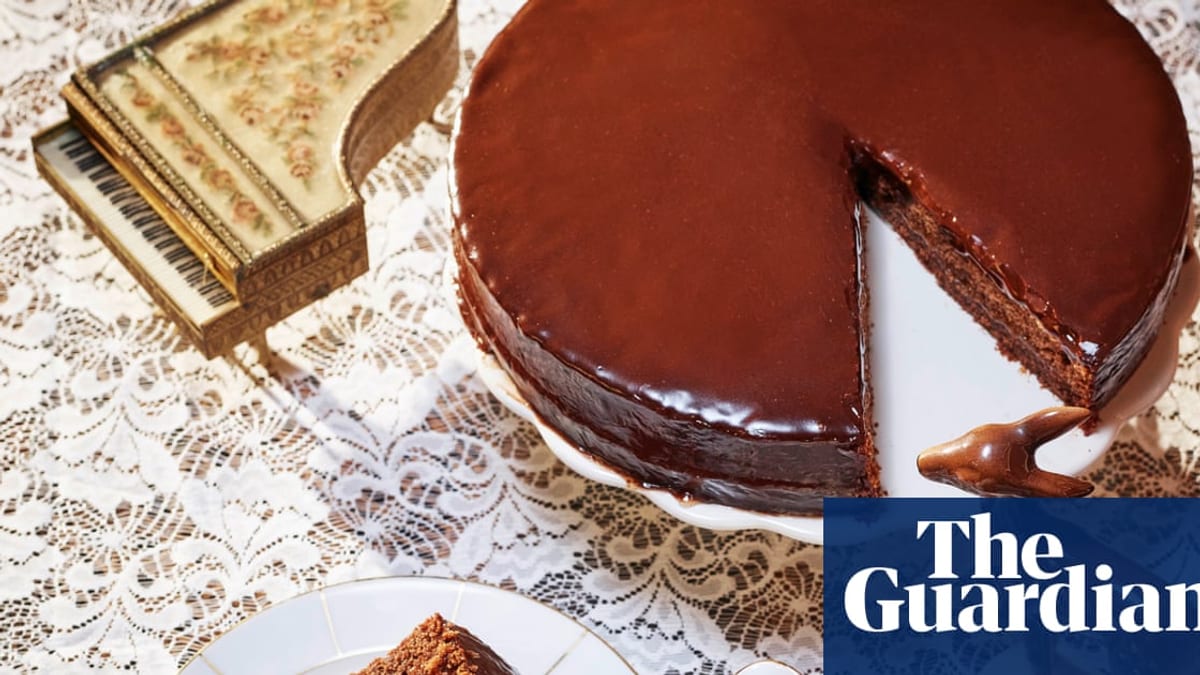
Image by Travel | The Guardian
A Cake that Helped Shape Vienna’s Identity
Any modern hunt for Sachertorte in Vienna begins with a recipe that dates back to 1832, when apprentice chef Franz Sacher created a dense chocolate cake layered with apricot preserve for a high-ranking statesman. Over time, the confection evolved into a symbol of the Austrian capital, exported worldwide and replicated in hotel kitchens, neighborhood bakeries and home ovens far beyond the Ringstrasse.
Publicly available histories indicate that the cake’s contemporary form is largely credited to Sacher’s son Eduard, who refined his father’s formula and introduced it to the fashionable café culture that flourished in the late 19th century. The combination of dark chocolate sponge, a discreet seam of apricot and a firm, glossy glaze became a shorthand for Viennese indulgence.
Today, the Original Sacher-Torte produced by Hotel Sacher is marketed as one of the city’s culinary calling cards, boxed in burgundy packaging and shipped far beyond Austria. Travel coverage and food reporting note that for many visitors, sitting down to a slice in Vienna remains as essential as hearing a waltz or ordering a plate of schnitzel.
Yet as tourism has grown and coffee house culture has modernized, competing versions of Sachertorte have multiplied. The result is a fragmented landscape where travelers compare crumb structure and jam placement with the same intensity they might reserve for museum rankings or opera casting.
Hotel Sacher: The Benchmark and the Debate
For many visitors, the search starts on Philharmonikerstrasse, opposite the Vienna State Opera, where Hotel Sacher operates its café beneath crystal chandeliers and dark wood paneling. The Original Sacher-Torte served here is the only version legally allowed to use that full name, following a mid-20th-century agreement that settled a long-running dispute with rival confectioner Demel over branding and recipe details.
Hotel documentation and recent hospitality reports describe the torte’s formula as tightly protected, but the experience is carefully choreographed: a measured slice, a rosette of unsweetened whipped cream and coffee service that leans into the city’s grand-hotel image. International rankings have recently placed the property among the world’s top luxury hotels, reinforcing its status as a showcase for Vienna’s dessert diplomacy as much as for its rooms and suites.
Despite its prestige, opinion on the hotel’s cake is far from unanimous. Travel writers and online reviewers frequently describe the texture as deliberately firm, designed to withstand shipping and display cases, while others characterize it as dry compared with lighter, contemporary interpretations found elsewhere in the city. These mixed reactions are part of the modern Sachertorte conversation, in which “authentic” does not always align with “favorite.”
For a traveler on a tasting mission, the café therefore functions as both a benchmark and a reference point: a way to understand the canonical style before venturing out to compare how other kitchens reinterpret the same formula.
Demel and the Historic Rivalry Over a Slice
A few minutes’ walk away, near the Hofburg complex, the ornate salons of Demel present an alternative chapter of the story. Founded in the 18th century, the confectioner is closely linked to the Sacher family through Eduard Sacher’s early training, and historical accounts describe how it once sold a cake under the name “Eduard Sacher-Torte,” helping to trigger the legal battle that would later determine who could claim the “original” label.
According to widely cited culinary histories, the settlement granted Hotel Sacher exclusive use of the Original Sacher-Torte brand while allowing Demel to continue producing its own version, distinguished in part by how the apricot layer is positioned. For visitors comparing slices, the difference often comes down to texture and balance: Demel’s iteration is frequently reported to be slightly moister, with a more pronounced fruit note beneath the chocolate.
Current travel coverage and guidebook-style recommendations often highlight Demel as a counterpoint to Café Sacher, suggesting it as a second stop for those keen to understand the rivalry firsthand. The setting, with its glass-fronted pastry displays and baroque interior details, underscores the sense that this is not just a coffee break but an encounter with imperial-era confectionery culture.
In practical terms, a traveler tracing the Sachertorte story across central Vienna may find that Demel’s slice feels less like a souvenir and more like a working café dessert, shared by shoppers and office workers as readily as by tourists studying the cake’s history.
Beyond the Icons: Neighborhood Cafés and New Favorites
While the Sacher–Demel rivalry dominates most written histories of the cake, contemporary reports from residents and frequent visitors suggest that many locals now look beyond both institutions when recommending where to eat Sachertorte. Smaller coffee houses on and off the Ringstrasse, as well as patisseries in residential districts, increasingly feature in informal rankings and online debates about which slice is worth the calories.
Travel guides and user-generated reviews frequently mention traditional cafés such as Café Schwarzenberg on the Ring as alternatives that combine historic interiors with pastries tailored more to local tastes than to souvenir demand. In these settings, Sachertorte serves as one option among many, competing with strudels, nut tortes and seasonal creations for space in the display case and on the dessert trolley.
Some observers argue that the most satisfying versions are those that aim less for strict authenticity and more for balance. Moist crumb, a noticeable but not overwhelming apricot layer and a glaze that cracks softly rather than shattering into shards are recurring themes in contemporary recommendations. In this view, the perfect Sachertorte is one that works as a daily treat alongside a melange or einspänner, rather than as a ceremonial finale to a once-in-a-lifetime hotel visit.
For travelers with time to explore, this shift opens up a broader map of possibilities. The search moves from a two-stop tour of headline names to a looser circuit of neighborhood cafés, where the question becomes not only who owns the recipe but who bakes a slice that locals are actually ordering on a weekday afternoon.
What “Perfect” Means in a City of Many Slices
As Vienna’s pastry landscape continues to diversify, the idea of a single, objectively perfect Sachertorte becomes increasingly elusive. Published travel features describe visitors who leave convinced that the original hotel version defines the standard, while others declare more affection for lesser-known cafés that take liberties with the classic format.
Culinary writers note that the cake itself occupies an unusual place in the city’s food culture. It is both an everyday item, available by the slice in supermarkets and bakeries, and a luxury product associated with grand hotels and commemorative tins. This dual status means that expectations vary widely. Some travelers seek a dense, almost austere chocolate cake that feels historically accurate; others hope for a lighter, more modern dessert that fits contemporary tastes.
In practice, the search for the perfect Sachertorte in Vienna often turns into an exercise in understanding the city’s broader relationship with tradition and tourism. Each slice, whether served beneath chandeliers at Hotel Sacher, on linen-covered tables at Demel or at a quiet corner café, reflects a different answer to the same question: how to honor a 19th-century invention while keeping it relevant to 21st-century palates.
For travelers willing to sample several versions, the reward is less a definitive verdict and more a layered picture of Vienna itself, one forkful of apricot-laced chocolate at a time.