

More news on this day
Around midnight local time, a moderate earthquake centered in Myanmar sent a ripple of concern across neighboring Thailand, as seismic agencies logged a magnitude 4.5 event that briefly stirred residents, prompted social media reports of shaking, and triggered heightened monitoring for possible aftershocks across the region.
Get the latest news straight to your inbox!
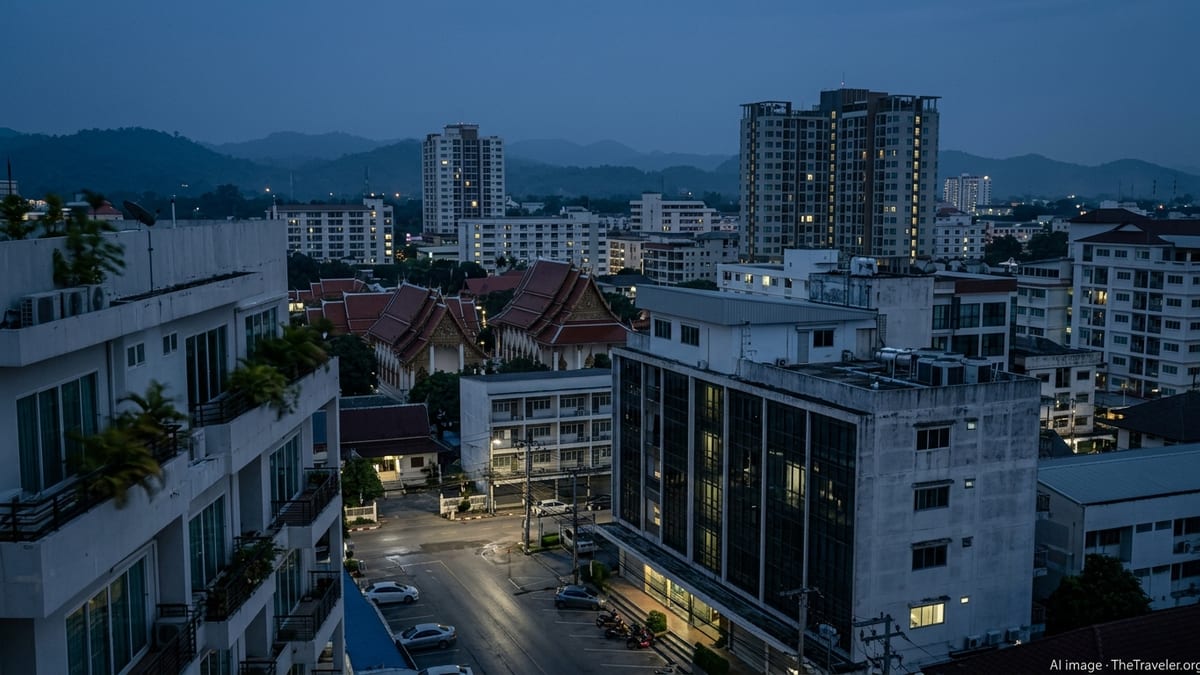
Late-Night Quake Reverberates Across the Border
Regional monitoring data indicate that the latest Myanmar event, assessed at magnitude 4.5 and occurring near midnight local time, originated at shallow depth along one of the active fault systems that cut across central Myanmar. While the shaking was classified as light to moderate close to the epicenter, the timing of the tremor in the quiet overnight hours meant even subtle movement was more easily noticed by residents.
Reports from northern Thailand described brief swaying in upper floors of high-rise buildings and a low, rolling sensation lasting only a few seconds. Publicly available information from seismic networks shows that the energy from the quake propagated across the border but diminished quickly with distance, with no structural damage confirmed in Thailand in early assessments.
Despite its relatively modest magnitude, the quake’s cross-border reach revived memories of stronger regional events, including the powerful Myanmar earthquake of March 2025 that caused serious damage in both Myanmar and Thailand. The new tremor, though far smaller, served as a reminder of the interconnected nature of the region’s seismic risk.
Initial mapping suggests the latest shaking was consistent with previous moderate events in Myanmar, which sits astride several active tectonic boundaries capable of transmitting seismic waves across large parts of mainland Southeast Asia.
Aftershock Concerns and Regional Seismic Patterns
The midnight tremor immediately raised questions among residents about the potential for aftershocks. Seismologists generally note that earthquakes of magnitude 4.5 can generate smaller subsequent shocks, though these are typically limited in number and intensity. Available regional catalogs for recent Myanmar quakes show sequences of follow up events in the magnitude 3 to low 4 range, often unfolding over hours to days.
Publicly accessible updates from regional observatories indicate that, following the latest Myanmar tremor, analysts are watching for any clustering of smaller quakes that might signal an ongoing sequence. Early readings suggested that, while some minor seismic activity continued in the wider area, no immediate escalation in magnitude had been detected in the hours after the event.
For Thailand, the principal concern is not moderate aftershocks themselves, but how stress changes along nearby faults might affect future seismic behavior. Historical summaries of activity along the Sagaing and related fault systems highlight a pattern of frequent small to moderate earthquakes, punctuated by occasional large events that can be felt hundreds of kilometers away, including in Bangkok and other Thai cities.
Experts commonly point out that a single 4.5 event is unlikely to significantly alter long term hazard levels. However, in a region already sensitized by the destructive 2025 Myanmar earthquake and its extensive aftershock sequence, even moderate tremors tend to attract heightened scrutiny.
Thai Monitoring Systems and Public Communication
Thailand maintains a network of seismic stations operated by national scientific agencies, supplemented by data from international networks. According to publicly available coverage, this system has been incrementally upgraded in recent years, particularly after the 2025 Myanmar quake exposed communication gaps around how shaking information reaches the public.
Following that crisis, Thai officials outlined plans for broader use of nationwide mobile alerts and tighter coordination between meteorological and disaster-prevention agencies for earthquakes originating both inside the country and in neighboring states. Subsequent policy discussions, reported in domestic media, highlighted the need to adapt systems originally designed for storms and floods to the very different timelines of seismic events.
In the wake of the latest Myanmar tremor, early commentary on Thai social media pointed to a familiar pattern: rapid, crowd sourced reports of shaking in some towns, followed by clarifications from seismology divisions indicating that only light movement had reached Thai territory. Prior episodes have shown that misunderstandings can quickly spread, including unfounded rumors of large aftershocks or tsunamis, even when technical data show limited risk.
Public information campaigns have encouraged residents to consult official seismic summaries and intensity maps rather than relying solely on anecdotal reports. The midnight timing of the new tremor, however, meant that many people received their first information from neighbors and online posts before detailed technical updates appeared.
Travel and Tourism: Heightened Awareness, Limited Disruption
The cross border nature of Myanmar’s seismicity has direct implications for Thailand’s travel and tourism sector, particularly in northern provinces popular with domestic and foreign visitors. Cities such as Chiang Mai and Chiang Rai periodically experience light shaking from quakes with epicenters in Myanmar or along border fault systems, although serious damage remains rare.
Travel industry monitoring following the latest 4.5 event pointed to no immediate large scale disruptions. Flights, long distance buses, and interprovincial rail services continued to operate on normal schedules, and there were no widely reported closures of major tourist attractions in Thailand. Hotel operators in some northern cities, however, reported a slight uptick in guest questions about building safety and evacuation procedures.
Many international hotels in seismically sensitive parts of Thailand already follow established structural standards and maintain emergency protocols that include evacuation drills, signage in guest rooms, and staff training for earthquake scenarios. The fresh reminder of regional seismic activity is likely to reinforce the value of these measures, especially as long haul travelers weigh destination choices based on perceptions of safety and risk management.
Tourism observers note that traveler confidence is shaped as much by clear, timely information as by the underlying hazard itself. Moderate quakes like this latest Myanmar event, when paired with calm and transparent communication, tend to have only short lived effects on booking patterns.
Building Resilience Along a Shared Fault Line
Decades of seismic data show that Myanmar, Thailand, and their neighbors share exposure to the same broad tectonic systems, with energy released in one country often felt across borders. The 2025 Myanmar disaster prompted renewed calls from regional organizations for closer cooperation on hazard mapping, building codes, and emergency response, with several technical workshops and scenario exercises documented in subsequent reports.
The new midnight tremor, modest though it was, underscores that this agenda remains current. Analysts point to opportunities for expanded data sharing between national seismological agencies, harmonized intensity reporting standards, and joint public education campaigns in border provinces where residents may receive mixed messages from different national sources.
Urban planners and engineers in both Myanmar and Thailand have also argued, in various published assessments, for continued refinement of construction practices in areas with soft soil or known amplification effects. Past events have shown that ground conditions can substantially increase shaking in certain districts, even when epicenters are many hundreds of kilometers away.
For now, the latest 4.5 magnitude quake appears to have left only fleeting physical traces while generating renewed awareness of the region’s underlying vulnerabilities. As monitoring continues and new data are added to regional seismic catalogs, the event will become part of a growing record that planners, scientists, and the travel sector increasingly rely on to understand and manage risk in mainland Southeast Asia.