

More news on this day
Manila’s Ninoy Aquino International Airport has earned unexpected global attention in 2026 after ranking seventh worldwide for layover food, with 131 restaurants and cafés now reshaping the transit experience for travelers passing through the Philippine capital.
Get the latest news straight to your inbox!
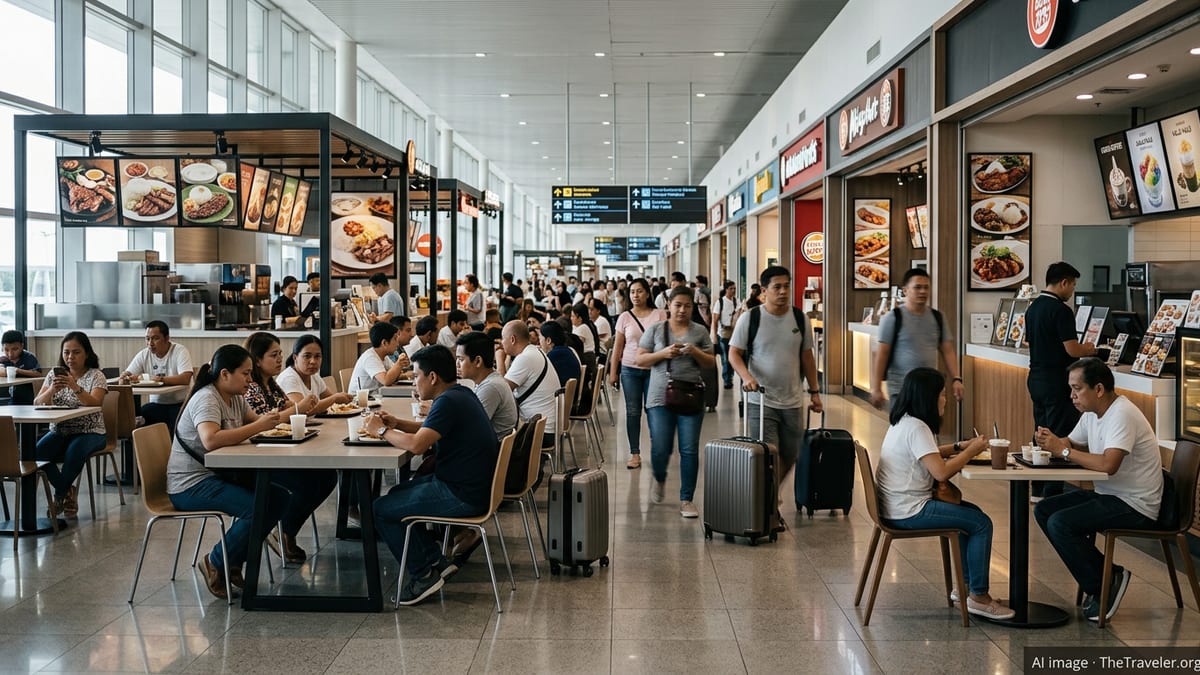
Global Ranking Puts Manila on the Layover Food Map
The latest analysis from United Kingdom-based travel company Airport Parking and Hotels names Ninoy Aquino International Airport, or NAIA, among the world’s best hubs for layover dining, placing it seventh based on the number of restaurants and cafés available to passengers. The study highlights 131 outlets across NAIA’s terminals, a figure that positions Manila alongside heavyweight global hubs and signals a rapid evolution from its once-poor international reputation.
The same research shows Singapore Changi Airport leading the field with 247 outlets, followed by Chicago O’Hare, Tokyo Haneda, Atlanta Hartsfield-Jackson, Jakarta Soekarno-Hatta and New York’s LaGuardia, with NAIA close behind. Observers note that the list is dominated by large international transfer hubs, indicating that Manila’s airport is now competing in a league that, until recently, seemed out of reach.
Publicly available coverage of the ranking has resonated strongly among Filipino travelers, many of whom remember earlier surveys that placed NAIA among the least favored airports globally. The new classification as a top layover food hub is widely being interpreted as a sign that incremental upgrades, especially in Terminal 3, are starting to change the narrative for international visitors.
From Maligned Hub to Emerging Food Destination
For much of the past decade, NAIA has been better known for congestion, aging infrastructure and critical passenger reviews than for its amenities. Comparative studies in 2024 and earlier frequently cited crowding and limited services, placing Manila near the bottom of global airport rankings. Against that backdrop, the 2026 layover food result stands out as a tangible, measurable improvement fueled by a clear strategy to add more commercial options.
Reports indicate that the transformation has been driven in part by a rehabilitation and modernization program overseen by New NAIA Infra Corp., which took over operations in late 2024 with a mandate to refresh facilities and expand concessions. Since then, the airport has steadily reopened shuttered units, welcomed new brands and redesigned public areas to create more cohesive food zones for departing and transiting passengers.
Analysts following Asian aviation trends point out that Manila’s geographic position already made it a potentially strong transfer hub between Southeast Asia, North Asia and the Pacific. By turning its terminals into more compelling spaces to eat and spend time, NAIA is starting to capture some of the value that competitors in Singapore, Tokyo and Bangkok have long enjoyed, particularly from travelers willing to schedule longer layovers in exchange for better on-the-ground experiences.
One Hundred Thirty-One Spots: A New Food Landscape Across Terminals
The headline figure of 131 restaurants and cafés covers a diverse mix of quick-service outlets, international chains, coffee shops and more substantial sit-down venues scattered across NAIA’s main terminals. Travel guides and recent passenger accounts describe a network of dining areas that now stretches from pre-departure halls to airside concourses, with growing attention to 24-hour options that cater to red-eye flights and irregular schedules.
Terminal 3, NAIA’s busiest international gateway, has emerged as the focal point of this expansion. A mezzanine-level food hall that opened in late 2025, along with a refreshed food court and additional stand-alone restaurants, has significantly increased choice for passengers, according to travel blogs that track airport developments. Names frequently mentioned include familiar global brands alongside regional cafés and bakery concepts aimed at both locals and international visitors.
While the quality and ambiance of individual venues still vary, passenger reports suggest that finding a seat and a warm meal is now far easier than during the pandemic era, when many concessions were closed. Guides aimed at transit travelers emphasize that there are functional options for everything from a quick coffee and pastry to full meals between long-haul flights, a shift that directly supports NAIA’s improved layover food standing.
Tambayan Filipino Feast: Local Flavors Enter the Spotlight
Within NAIA’s expanding food ecosystem, Filipino dishes and casual “tambayan” style hangouts are increasingly visible. The colloquial term “tambayan” refers to an informal gathering spot where friends relax, eat and chat, and airport planners appear to be borrowing from this concept as they curate food courts and common areas. Public descriptions of new outlets highlight menus built around home-style rice meals, grilled meats, local snacks and sweet treats that evoke everyday dining in Metro Manila.
Recent travel pieces on Manila note that NAIA’s food tenants now commonly feature staples such as adobo, sisig, crispy fried chicken, pancit and halo-halo alongside global comfort food. For overseas Filipinos returning home, this creates an immediate sense of familiarity; for foreign visitors, it offers an accessible introduction to local cuisine without leaving the terminal. Commenters on social platforms have pointed to this blend of recognizable chains and Filipino comfort food as a key ingredient in NAIA’s upgraded reputation.
Looking ahead, a planned “Food Village” concept announced for the coming years is expected to deepen this focus on Filipino flavors, with more space for regional specialties and casual communal seating. Publicly available information suggests that airport developers see food as both a revenue driver and a form of soft diplomacy, positioning NAIA as a gateway to the country’s culinary culture rather than just a transit point.
What the Ranking Means for Travelers and for Manila
For travelers, NAIA’s seventh-place global ranking in layover food translates into a more predictable and less stressful connection experience. Transit passengers arriving on late-night or early-morning flights can now expect a reasonable range of open outlets, while those with several hours to spare have the option to sit down for a meal rather than rely solely on packaged snacks. Travel advisories that once framed NAIA as an airport to endure are beginning to note that, at least in terms of dining, passengers now have genuine choice.
For Manila and the Philippines more broadly, the recognition adds weight to ongoing efforts to reposition the country as an attractive, well-connected tourism and business destination. NAIA’s earlier appearance in rankings of internationally connected megahubs signaled its importance to regional air networks; the new layover food distinction suggests that the airport is beginning to pair connectivity with quality-of-stay factors that matter to increasingly discerning travelers.
Industry watchers caution that food alone cannot resolve longstanding concerns about crowding, infrastructure and on-time performance. However, they also note that airports often improve in stages, and that visible upgrades in dining, retail and passenger comfort can signal momentum for deeper operational reforms. In NAIA’s case, the emergence of 131 dining spots and a growing “tambayan” Filipino feast culture may represent an early, and very edible, sign that Manila’s primary gateway is beginning to reinvent itself for the next decade of global travel.