

More news on this day
Naivasha’s World Rally Championship Safari Rally is rapidly evolving from a motorsport curiosity into one of East Africa’s most influential sports tourism magnets, reshaping travel patterns, investor interest, and Kenya’s wider safari offering.
Get the latest news straight to your inbox!
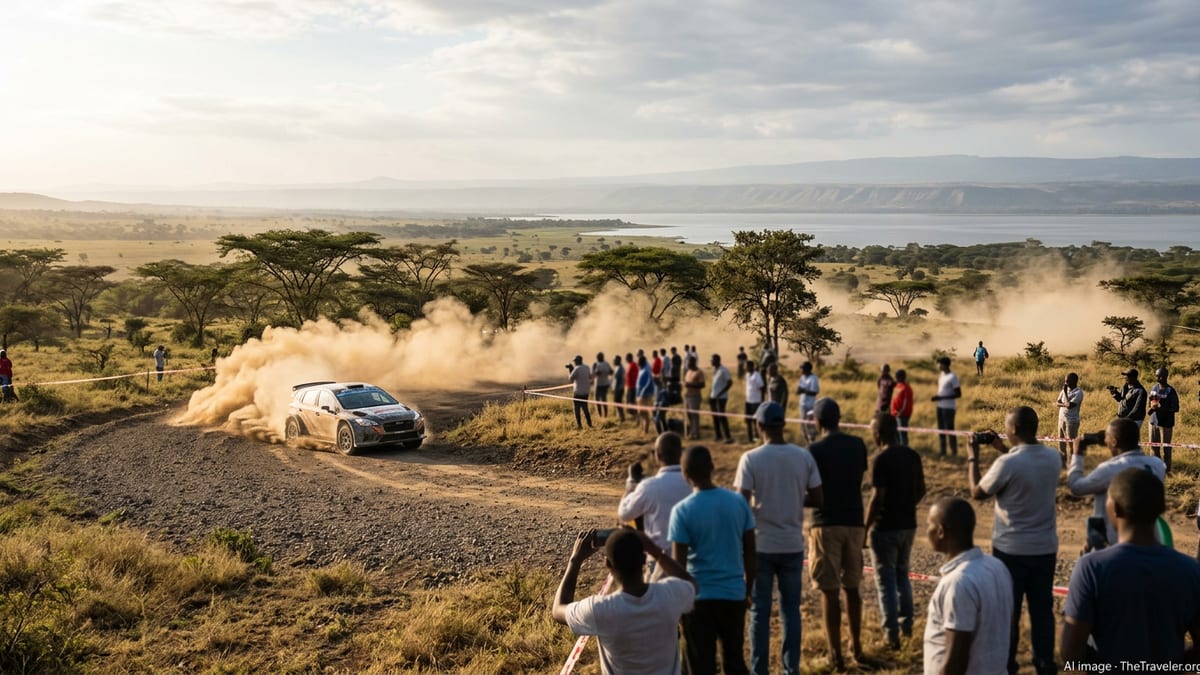
Naivasha at the Heart of a Modern Safari Revival
Once known mainly for its lakeside scenery and proximity to Hell’s Gate and Lake Nakuru national parks, Naivasha has emerged as the high-octane hub of Kenya’s motorsport calendar. Since the Safari Rally’s return to the World Rally Championship in 2021, the town and its surroundings have hosted each edition, turning usually quiet ranchland and conservancies into one of the most watched rally stages in global motorsport.
Recent coverage of the 2025 and 2026 editions highlights how the event now anchors the March tourism calendar, drawing fans from across Europe, Asia, and the wider African region for several days of competition on gravel and volcanic dust around Lake Naivasha. International broadcasters showcase the rally’s dramatic backdrops of wildlife, escarpments, and acacia-dotted plains, effectively marketing Naivasha as both a motorsport destination and a classic safari landscape in a single television package.
Publicly available information from Kenyan tourism and sports authorities indicates that the rally has become one of the country’s most prominent annual global events, ranking alongside marathons and athletics meetings in its international visibility. With Naivasha as the rally base, the region has gained a rare blend of prestige associated with hosting a world championship and the mass appeal of accessible spectator stages.
Economic Windfall for Hotels, Transport and Small Businesses
Tourism and business reports from recent Safari Rally editions describe Naivasha’s hospitality sector operating at or near full capacity during rally week, with lakeside resorts, mid-range hotels, and budget guesthouses all reporting surges in occupancy. Hoteliers have spoken of “windfall” periods as domestic visitors, international teams, corporate sponsors, and media crews converge on the town, often booking out rooms months in advance.
Analysis of the rally’s impact published by Kenya’s tourism ministry and local media points to billions of shillings in annual economic activity linked to the event, concentrated in accommodation, food and beverage, local transport, and entertainment. Boda boda motorbike operators, small eateries, pop-up campsites, and informal traders selling merchandise and refreshments all benefit from the heavy footfall along spectator routes and around the Naivasha service park.
Tourism performance reports referencing the Safari Rally’s 2021 comeback estimated substantial direct visitor spending and free global media exposure valued in the billions of shillings. Subsequent editions appear to have deepened those gains, with investment in improved road access, spectator zones, and event infrastructure increasing the capacity of Naivasha to host large crowds and extended stays.
Showcasing East Africa’s Sports Tourism Potential
While the rally is firmly rooted in Kenya, its impact resonates across East Africa’s tourism landscape. Travel industry analysts note that the Safari Rally provides a compelling case study for how major sporting events can complement traditional wildlife and beach tourism, encouraging visitors to extend trips or combine rally viewing with regional safaris in parks such as Maasai Mara, Amboseli, and Lake Nakuru.
Regional media coverage describes the Naivasha-based event as a flagship for African motorsport, with the Safari Rally often the only World Rally Championship round held on the continent in a given season. This status gives the wider East African region a rare annual showcase, as helicopter shots and on-board cameras beam images of open savannah, herds of antelope, and volcanic landscapes to audiences on every continent.
Kenya’s positioning as an emerging sports tourism hub is reinforced by the rally’s scheduling alongside other international competitions, from athletics circuits to golf and rugby tournaments. Publicly available commentary from tourism officials and industry leaders frames the Safari Rally as a pillar in a broader strategy to diversify visitor experiences, tap into new markets of motorsport and adventure enthusiasts, and spread travel benefits beyond traditional peak seasons.
Infrastructure, Sustainability and Community Legacies
The rally’s recent editions have prompted notable infrastructure upgrades in and around Naivasha, from road improvements to temporary service facilities that often leave lasting benefits for local communities. Reports on the 2025 and 2026 itineraries outline carefully designed spectator zones, purpose-built viewing points such as vineyard stages near town, and enhanced safety arrangements that also improve general accessibility to rural areas.
Organisers and partners increasingly present the event as a model for environmentally aware motorsport in sensitive ecosystems. Public communications for the 2025 Safari Rally highlighted efforts to integrate conservation messaging, manage waste, and limit disturbance to wildlife in the conservancies and ranches that host competitive stages. Tree planting initiatives, community clean-ups, and environmental education activities are frequently promoted as part of the rally week program.
Local accounts suggest that communities around Naivasha have begun to see the rally as both a commercial opportunity and a platform to showcase conservation and cultural initiatives. Craft markets, community-run campsites, and cultural performances aligned with rally festivities help channel visitor spending into grassroots enterprises while broadening the narrative beyond pure motorsport.
Future Outlook for Naivasha and the Safari Rally
With the Safari Rally contract currently stretching through the 2026 World Rally Championship season, discussions about renewing Kenya’s hosting rights have intensified. Coverage of the 2025 closing ceremony in Naivasha described strong calls from local businesses and tourism advocates for a long-term extension, arguing that predictable multi-year hosting rights are essential for continued investment in hotels, transport, and event facilities.
Looking ahead, Naivasha’s challenge will be balancing growth with quality of experience. Tourism analysts point to the need for improved crowd management, diversified accommodation options, and stronger integration between rally itineraries and traditional safari offerings. There is growing interest in packaging rally tickets with guided game drives, lake excursions, and post-event beach stays on the Kenyan coast to maximise visitor spending and encourage longer stays.
For East Africa more broadly, the continued success of the Naivasha-based Safari Rally strengthens the case for additional international sports events in the region, from cycling tours to endurance races and heritage rally competitions. As global audiences grow accustomed to seeing Kenya’s landscapes framed by rally cars kicking up dust around Lake Naivasha, the area’s profile as a year-round adventure and wildlife destination appears set to rise even further.