

More news on this day
NASA is preparing to resume the formal launch countdown for Artemis II, positioning the first crewed lunar mission in more than five decades for a highly anticipated liftoff from Florida’s Kennedy Space Center as early as April 1, 2026.
Get the latest news straight to your inbox!
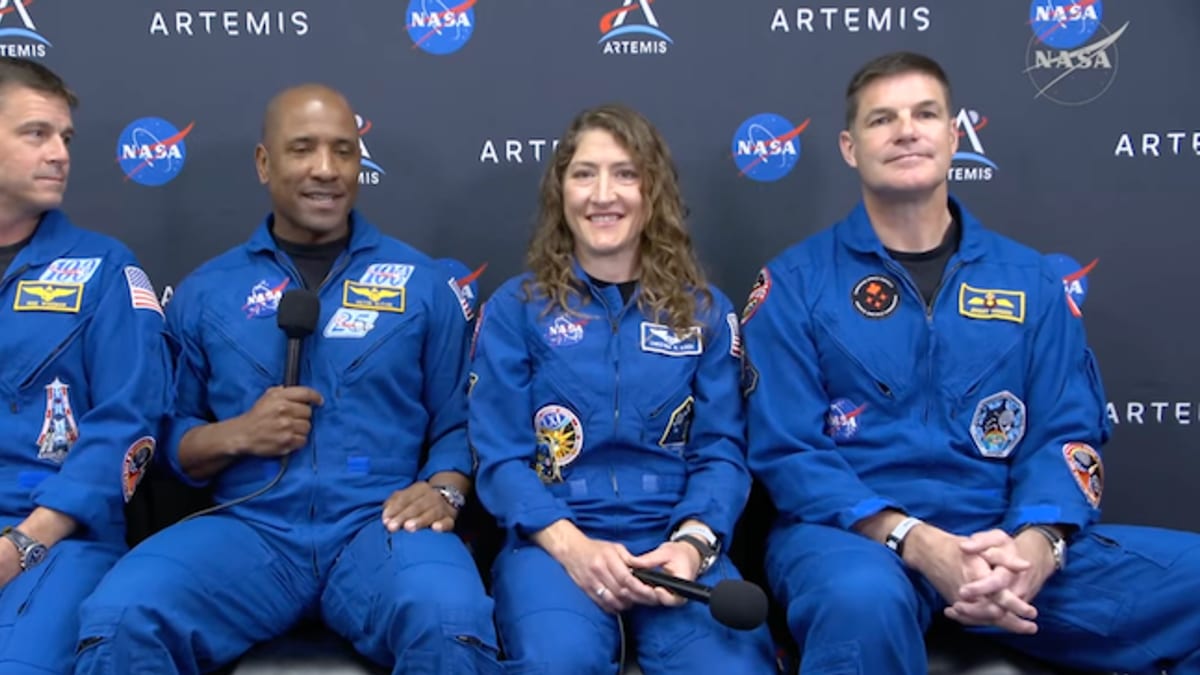
Image by AWN RSS by content source
Countdown Resumption Marks New Phase for Artemis II
Publicly available information indicates that mission teams are moving from months of testing and troubleshooting into the tightly scripted final countdown operations for Artemis II. The Space Launch System rocket and Orion spacecraft completed a series of fueling and ground-systems checks earlier this year, including a wet dress rehearsal that was delayed and then repeated after cold weather and technical issues in Florida forced schedule adjustments.
Reports from recent briefings and specialized space coverage describe how engineers have been closing out work on the rocket and ground infrastructure following a rollback to the Vehicle Assembly Building in February to address an electrical harness in the flight termination system and to review data from a propellant-loading test. With that work now largely complete, NASA is poised to commit the vehicle to the pad for the final time before launch and to transition into the formal countdown timeline.
The resumption of countdown activities represents more than a procedural step. It signals that mission managers judge the rocket, spacecraft, and supporting systems ready for the intense sequence of fueling, checkouts, and decision points that lead to crew boarding and ignition. While weather and last-minute technical findings can still alter the flow, the move to pick up the countdown marks Artemis II’s closest approach yet to flight.
Targeting an Early April Liftoff to the Moon
According to mission availability documents and recent news coverage, Artemis II is targeting a launch no earlier than April 1 within an early April window that offers favorable lighting and trajectory conditions for a lunar flyby. The planned liftoff time in current schedules is early evening local time, aligning with a roughly 10-day mission profile that will send the crew around the Moon on a so-called free-return trajectory before returning to Earth.
The schedule reflects months of replanning after technical issues in late 2025 and early 2026 prompted NASA to shift from earlier windows. A fueling test highlighted concerns with propellant handling and prompted a decision to stand down from a March attempt, roll the rocket back for deeper inspections, and then roll out again in March for the current early April opportunity. Public schedules show that mission planners have now converged on the April 1 opening as the primary target while holding additional dates in reserve in case weather or technical factors require a 24- or 48-hour slip.
Launch windows for lunar missions are tightly constrained by the alignment of Earth, Moon, and the launch site, along with lighting requirements for both ascent and splashdown. The early April geometry offers a corridor that supports the free-return trajectory planned for Artemis II, providing passive safety in case of major propulsion or navigation issues during the outbound journey. This combination of celestial mechanics and mission design is driving the focus on the current window as countdown preparations intensify.
Crew Readies for First Lunar Voyage Since Apollo
The four-person Artemis II crew has now arrived at Kennedy Space Center, according to multiple recent reports, entering the final preflight phase that includes quarantine, suit fittings, and integrated simulations with the launch control team. The astronaut cadre consists of NASA astronauts Reid Wiseman, Victor Glover, and Christina Koch, along with Canadian Space Agency astronaut Jeremy Hansen, reflecting the multinational nature of the Artemis program.
Public information indicates that the crew has been training for months on the specifics of the Artemis II profile, rehearsing contingencies ranging from propulsion anomalies to life support issues and communications disruptions. In the days leading up to launch, they are expected to move between the astronaut crew quarters and mission facilities across the space center, conducting fit checks in their pressure suits and practicing ingress and egress from the Orion capsule.
For global travelers and spaceflight enthusiasts, the visible presence of the crew at the Florida spaceport is one of the clearest signs that the mission is approaching reality. Local tourism outlets and regional media have been highlighting viewing opportunities along the Space Coast, where crowds are expected to gather for a spectacle that, if successful, will mark the first human journey beyond low Earth orbit since the final Apollo mission in 1972.
Launch Pad Preparations and Ground Systems in Focus
Preparations at Launch Complex 39B remain a critical driver of the countdown timeline. Earlier inspections identified issues with ground infrastructure, including a helium-system concern and the flight termination system wiring, which required teams to roll the rocket back to the Vehicle Assembly Building for access. Recent technical updates covered by space-focused outlets indicate that these items have been resolved or mitigated, allowing the Space Launch System to return to the pad for what is expected to be its final prelaunch stay.
With the vehicle back on the pad, engineers are working through a checklist that includes verifying fueling lines, testing communications links between launch control and Orion, and practicing countdown procedures up to key hold points. The wet dress rehearsal experience, in which cold temperatures and a propellant issue combined to delay the original schedule, has informed updated timelines and contingency plans intended to reduce risk as the real countdown unfolds.
All of these efforts are playing out under significant public attention, as the Artemis program carries both technical and symbolic weight for NASA and its partners. The robustness of the ground systems and the smooth execution of the countdown will be closely watched indicators of how prepared the agency is to sustain a series of complex lunar missions in the coming years.
Artemis II as a Bridge to a Broader Lunar Campaign
Artemis II is structured as a test flight, but publicly available planning documents and recent commentary from space policy analysts emphasize its central role in enabling a broader campaign that includes a lunar base concept and a series of increasingly ambitious missions later in the decade. By demonstrating crewed performance of the Space Launch System, Orion’s life support systems, and deep-space operations, the flight is intended to clear the way for future landings and sustained activity in the vicinity of the Moon.
The mission follows Artemis I, the uncrewed 2022 flight that sent Orion around the Moon and back, validating many aspects of the spacecraft and rocket. Artemis II raises the stakes by placing a crew onboard and adding operational complexity, such as manual flight tasks, in-flight system reconfigurations, and higher scrutiny on reentry heating and splashdown conditions. Successful completion of these objectives will feed directly into planning for the first surface missions and for possible commercial and international partnerships on lunar infrastructure.
For travelers and observers, the impending countdown represents a hinge moment in modern space exploration. The move to pick up the Artemis II countdown in late March signals that, after years of development and several rounds of delay, NASA and its partners are on the cusp of returning humans to the deep-space environment around the Moon. The outcome of this countdown and launch will help shape not only the Artemis schedule, but also broader expectations for how quickly humanity can establish a more permanent presence beyond Earth.