

More news on this day
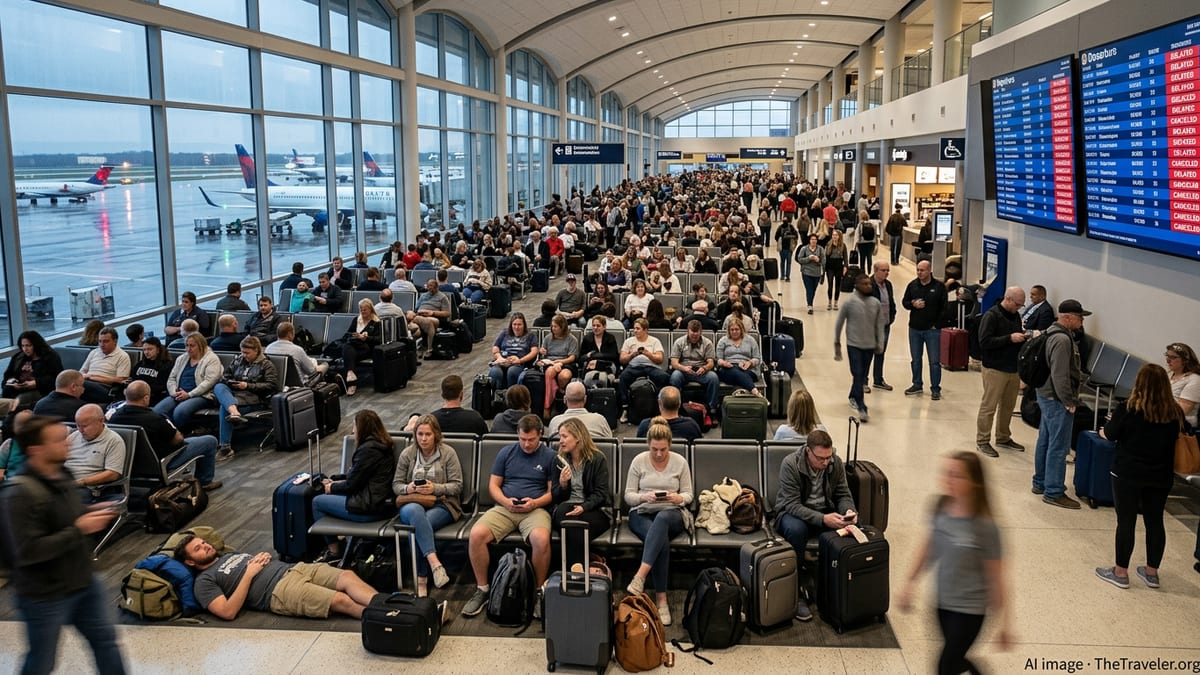
Nashville International Airport is experiencing widespread disruption as a powerful mid-March storm system and broader air traffic constraints combine to trigger hours-long flight delays and a wave of cancellations affecting hundreds of travelers across the region.
Get the latest news straight to your inbox!
Storm System and Network Strain Collide Over Nashville
The latest round of disruption at Nashville International Airport comes as a sprawling storm system sweeps across large sections of the United States, snarling air travel from the Midwest to the Southeast. Publicly available flight tracking data and national aviation dashboards for March 16 and 17 indicate heightened cancellation and delay levels nationwide, with Nashville emerging as one of several regional chokepoints as airlines attempt to reroute aircraft and crews around volatile weather patterns.
Reports show that the storm complex has led to thousands of cancellations and delays across the national network in recent days, severely limiting the flexibility of carriers to recover normal schedules. In that context, Nashville’s role as both a fast-growing origin-and-destination market and a diversion option for other hubs has placed unusual pressure on its flight operations, contributing to cascading disruptions that have rippled through the airport’s arrivals and departures boards.
The turbulence is particularly acute for travelers attempting same-day connections or time-sensitive trips. With aircraft and crews out of position across multiple hubs, relatively minor schedule shifts have in many cases turned into multi-hour waits, missed connections, and unplanned overnight stays, amplifying the perception among passengers that the situation at Nashville is spiraling beyond the control of airlines and airport operators.
While severe storms are a familiar driver of travel disruption in the United States, the timing of this event, so soon after a winter marked by major weather systems and operational strains, has magnified the impact. Aviation observers note that the latest chaos at Nashville is as much a story about an already stretched system as it is about the current band of turbulent weather.
Delays, Cancellations and Diversions Mount at BNA
Real-time status boards on March 16 and 17 show a pattern of rolling delays at Nashville International, with departure pushes often extending from 30 minutes into multiple hours as thunderstorms, low clouds, and air traffic flow restrictions ripple through the region. Arrivals into Nashville have also been heavily affected, with ground stops and metering programs at other airports forcing last-minute schedule changes that are then felt at BNA.
Airlines operating from Nashville have issued a series of travel alerts and change-fee waivers in recent weeks covering weather-related disruptions across the central and eastern United States. For many passengers booked through multiple hubs, Nashville’s current problems are the final link in a chain of irregular operations that may have begun days earlier in cities affected by snow, high winds, or severe thunderstorms.
The pressure on Nashville has also been shaped by its growing use as a diversion point when neighboring hubs experience weather or operational constraints. Recent public chatter among aviation enthusiasts and travelers highlights instances of flights bound for other major airports being temporarily rerouted to BNA, adding extra demand for gates, ground handling, and passenger services at a time when capacity is already tight.
As the disruptions compound, travelers report crowded hold rooms, long lines at customer service counters, and limited hotel availability near the airport. With airlines prioritizing safety and regulatory compliance, cancellations in some cases are being used to reset schedules that have become too unstable to recover within a single operating day.
Structural Vulnerabilities Exposed at a Fast-Growing Airport
The latest wave of flight chaos is underlining longer-term structural challenges at Nashville International. The airport has been one of the fastest-growing medium-sized facilities in the country, investing heavily in terminal expansions, new gates, and access improvements. Planning documents and recent traffic reports highlight a sustained rise in passenger volumes, as Nashville’s tourism sector and corporate travel market continue to expand.
At the same time, the airport and its partners operate within national constraints that have repeatedly surfaced in recent years. Federal data and industry commentary point to a tight labor market for air traffic controllers, with several major facilities experiencing staffing shortages that can quickly trigger traffic management initiatives and ground delay programs. Nashville has previously been affected by such measures, particularly during peak travel periods, contributing to bottlenecks that can flare rapidly during bad weather.
On the ground, the airport has been managing significant construction and roadway changes tied to its latest master plan. Local travelers have frequently noted heavier congestion on approach roads, evolving parking layouts, and adjustments to rideshare and pick-up zones. While these projects are designed to accommodate long-term growth, they can compound the stress of large-scale flight disruptions by making it more difficult for passengers to arrive early, rebook, or leave the airport quickly when schedules fall apart.
Aviation analysts suggest that the current episode at Nashville is a clear demonstration of how weather, staffing, construction, and surging demand can interact to overwhelm even a well-planned operation. When multiple stress points align, the margin for error narrows, and a localized storm can rapidly escalate into a broader breakdown in reliability.
Passenger Frustration Grows as Recovery Timeline Stretches
For travelers caught in the disruption, the most visible impact is time. Long security lines, gate holds, deicing operations at other airports, and air traffic control spacing requirements all translate into hours spent waiting with limited clarity on when normal operations will resume. Social media posts and traveler forums on March 16 and 17 describe confusion over shifting departure times, uncertainty about standby lists, and difficulty securing alternative itineraries.
Publicly available information from airline customer advisories indicates that recovery from a disruption of this scale can take multiple days, even after the immediate weather has passed. Aircraft and crews must be repositioned, maintenance windows rescheduled, and crews’ federally mandated rest periods observed, all of which can result in lingering cancellations and schedule thinning long after blue skies return to Nashville.
Travel advocates recommend that passengers affected by the current turmoil document delays, monitor airline policy updates, and consider using digital tools such as airline apps and flight trackers to stay abreast of rapid changes. While passenger protections differ by carrier and ticket type, rebooking flexibility is typically greater when irregular operations have been publicly acknowledged and weather or air traffic issues are clearly documented across the national system.
With many travelers in the midst of spring break and early festival-season trips to Nashville, the emotional stakes are high. Missed events, lost vacation days, and added expenses for food and lodging are contributing to calls from some consumers for clearer communication and more robust contingency planning when major weather systems approach.
What Comes Next for Nashville’s Air Travel Reliability
As the mid-March storm complex gradually moves away from key aviation corridors, attention is turning to how quickly Nashville and its airline partners can restore a stable schedule. Industry observers note that the speed of recovery will depend on the alignment of several variables: the pace at which the storm exits major hubs, the availability of rested crews, and the flexibility of airlines to reassign aircraft across their networks.
In parallel, the latest disruptions are likely to feed into ongoing discussions about long-term resilience at Nashville International. Airport planning documents, federal infrastructure initiatives, and airline fleet plans all intersect in debates over how to handle continued passenger growth without sacrificing reliability when conditions deteriorate. Topics such as airspace modernization, staffing pipelines, and ground access improvements are expected to remain central as stakeholders evaluate the lessons of this latest episode.
For now, travelers scheduled to pass through Nashville in the coming days are being urged in public advisories and media coverage to build in extra time, check flight status frequently, and prepare for the possibility of continuing ripple effects. While the immediate storm will pass, the broader questions it has raised about capacity, coordination, and preparedness at one of the country’s fastest-growing airports are likely to persist well beyond this week’s wave of cancellations and delays.