

More news on this day
New nonstop flights between Toronto and Nassau are tightening the link between Canada’s largest city and Paradise Island, bringing a fresh wave of visitors, fuller hotel bookings and easier winter escapes to one of the Caribbean’s most popular playgrounds.
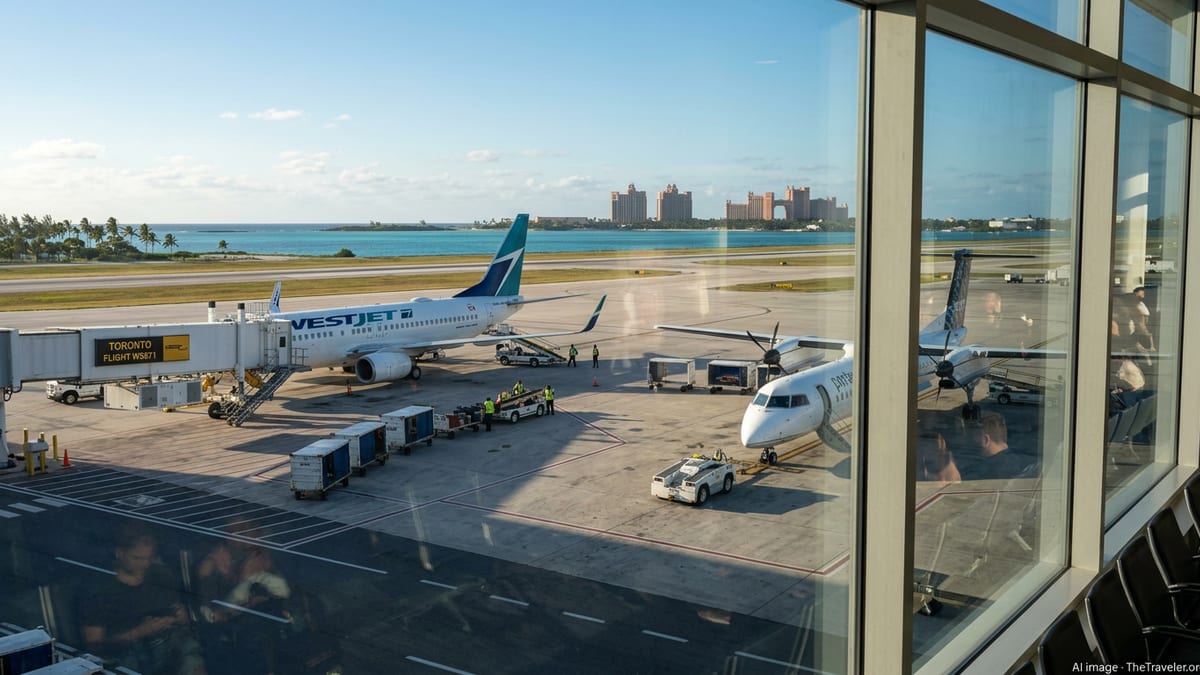
More Seats in the Sky Between Toronto and Nassau
A surge in airlift from Toronto to Nassau is reshaping how Canadians reach Paradise Island. Porter Airlines has ramped up its Toronto Pearson to Nassau route from a limited seasonal schedule to daily operations as of December 12, 2025, using 132-seat Embraer E195-E2 jets. The move significantly increases capacity on a corridor that has long been constrained during peak winter months.
Porter’s expansion comes alongside additional Canadian service into Nassau from Air Canada and increased flying by WestJet, which is currently promoting competitive roundtrip nonstop fares from Toronto to Nassau in the low 300-dollar range for select April dates. Aviation industry outlets report that, taken together, Canadian carriers are now offering around 45 weekly flights between Canada and the Bahamas in the current winter season, with Toronto accounting for a large share of those seats.
For Nassau’s tourism planners, the bolstered Toronto connection is a strategic win. Canadian visitors tend to stay longer than many U.S. travelers and are highly focused on resort-based vacations, which dovetails with the cluster of hotels and all-inclusive properties on Paradise Island and nearby Cable Beach.
Paradise Island Resorts Prepare for a Canadian Wave
Paradise Island, home to some of the Bahamas’ most recognizable resorts, is already feeling the impact of additional nonstop traffic out of Toronto. The Nassau Paradise Island Promotion Board and local hoteliers say higher load factors on Canadian flights are translating directly into stronger winter occupancies at major properties, particularly over school breaks and shoulder periods that previously saw softer demand.
Large anchor resorts are using the momentum to refresh offerings. Recent multimillion-dollar renovations in Nassau’s downtown waterfront district, coupled with upgrades at beachfront properties and marina facilities, are being marketed heavily in Canada as part of fly-and-stay packages tied to the new nonstop services. Travel advisors in Ontario and Quebec report growing interest in split stays that combine nights on Paradise Island with time in downtown Nassau to sample restaurants, historic sites and nightlife.
Tourism officials add that the shift is not just about volume but also about diversification. By deepening the Toronto link and adding new nonstop gateways in Montreal and Ottawa, Nassau is reducing its dependence on U.S. markets and broadening its visitor mix. That, they argue, makes the destination more resilient to regional downturns and currency swings.
What Travelers Need to Know About the New Route
For travelers, the biggest change is simplicity. Toronto passengers can now fly directly from Pearson to Nassau without transiting through a U.S. hub, avoiding additional security checks and potential weather delays. Flights are operated primarily by full-service Canadian carriers using narrowbody jets with a two-by-two configuration, meaning no middle seats for economy travelers on Porter’s Embraer aircraft.
Schedules are designed to favor vacationers. Most Toronto–Nassau nonstops are timed as daytime departures with afternoon arrivals into Lynden Pindling International Airport, giving visitors enough time to clear immigration and still reach Paradise Island before sunset. Return legs typically leave Nassau late morning or early afternoon, allowing for a final breakfast by the pool before heading to the airport.
Onboard, Canadian airlines are leaning into premium touches to differentiate the route. Porter, for example, offers complimentary Wi-Fi, beer and wine in glassware, and upgraded snacks, while competitors emphasize bundled vacation packages, seat selection and flexible change policies. The net effect is a more comfortable experience on what is roughly a three-and-a-half-hour flight from Toronto to Nassau.
Arrival Logistics: From Lynden Pindling to Paradise Island
Once on the ground, getting from Nassau’s airport to Paradise Island is straightforward but worth planning in advance. Lynden Pindling International Airport lies on New Providence Island, about a 30- to 40-minute drive from the bridges that connect to Paradise Island, depending on traffic. Taxis are plentiful outside the arrivals hall and operate on zone-based fares that are posted at the airport, with surcharges for extra passengers and luggage.
Many resorts offer prearranged transfers through ground-handling partners, a popular option for Canadian visitors arriving on afternoon flights when queues can build. Shared shuttle vans and private SUV services can be booked in advance through hotels or local operators, allowing guests to bypass taxi lines and head straight to their accommodation. Ride-hailing apps remain limited, so tourists are advised to confirm transfer details before leaving Toronto.
Travelers should also factor in border formalities. Canadians must present a valid passport to enter the Bahamas, and immigration officers frequently ask to see proof of onward or return travel and the address of the guest’s accommodation. Customs rules restrict certain food items and require declaration of high-value goods, though most vacationers clear the process in under an hour outside of peak holiday surges.
Seasonality, Pricing and Booking Tips for Canadians
The new nonstop services do not eliminate seasonality, and pricing still reflects the winter sun demand curve. Fares on the Toronto–Nassau corridor are typically highest from late December through March school breaks, especially on weekend departures tied to seven-night resort packages. However, industry fare data and recent promotions suggest that midweek departures, shoulder-season dates in late April, and early December windows often yield more competitive prices.
Tourism analysts recommend that travelers looking to capitalize on the nonstop options book flights and hotels at least two to three months ahead during peak season, especially for larger family groups targeting Paradise Island’s waterpark resorts. Those with flexibility can watch for flash sales from Canadian carriers as they fine-tune capacity on the route, particularly if advance bookings fall short of expectations in certain weeks.
For Nassau and Paradise Island, the payoff from these nonstop links is already becoming visible. Hoteliers report stronger forward bookings from Canada, while local tour operators, restaurants and marinas are seeing an uptick in advance reservations tied directly to flight announcements. With more Toronto–Nassau seats now in the market and additional Canadian gateways coming online, the bridge between Canada’s largest metropolis and the beaches of Paradise Island is set to stay busy well beyond this winter.