

More news on this day
From the Arctic tundra of northern Canada to the coral-fringed islands of Thailand and Japan, a growing group of destinations led by the United States is repositioning itself around remote, hard-to-reach landscapes that promise silence, starlight and a slower pace of travel.
Get the latest news straight to your inbox!
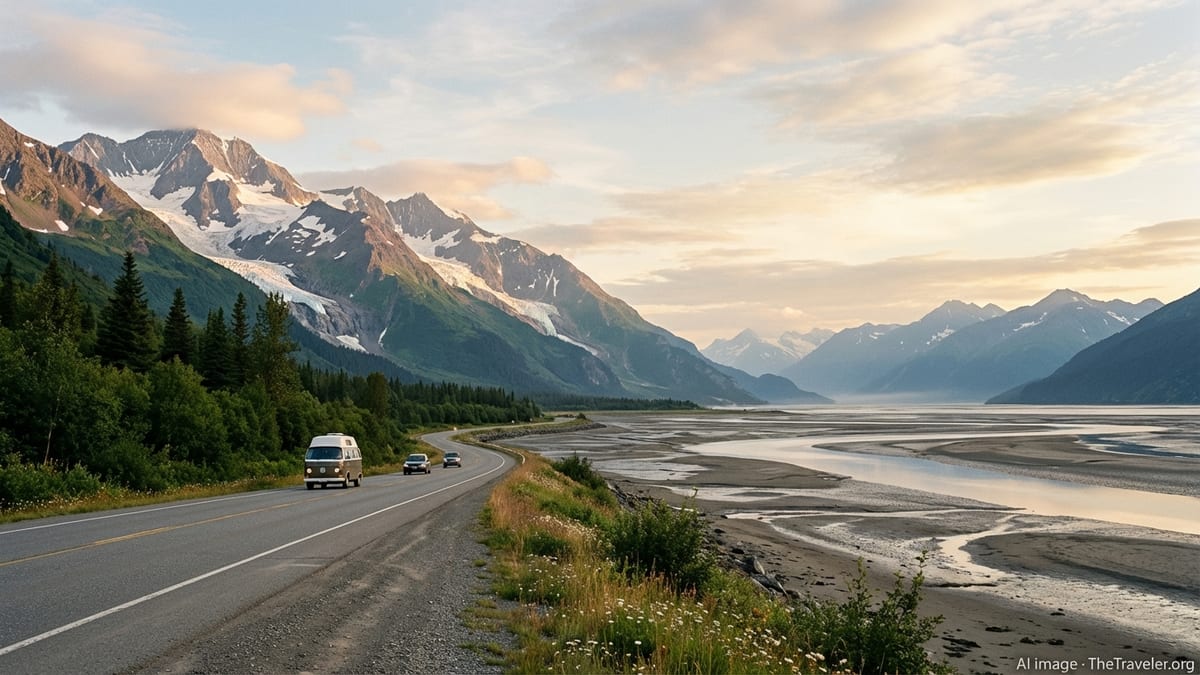
United States Turns the Spotlight on Dark Skies and Backcountry Solitude
Across the United States, public information and recent travel coverage point to a marked shift in how the country presents its wildest places. National parks and protected areas are increasingly promoted not just for classic road-trip scenery, but for dark skies, multi-day backcountry routes and quiet shoulder-season experiences that disperse crowds and reduce pressure on marquee viewpoints.
A growing number of U.S. national parks have secured certification from DarkSky International, highlighting some of the continent’s least light-polluted horizons. This aligns with a wider rise of so-called noctourism, where travelers plan itineraries around stargazing conditions, lunar events and night-time wildlife watching, rather than daytime sightseeing alone.
New digital tools developed by independent creators and tourism analysts map all 63 U.S. national parks by factors such as ideal visit months, transit times from major airports and stargazing quality. These resources make it easier for visitors to swap well-known icons for more remote options, such as desert canyons, sky islands and Arctic-influenced mountain ranges that require more planning but reward with genuine solitude.
At the same time, research on long-stay “slomad” travel in the United States suggests that remote cabins, wilderness lodges and off-grid rentals are drawing visitors for extended stays in low-density regions. Analysts note that these trips often prioritize nature immersion, trail access and night-sky visibility over proximity to cities, contributing to a more even spread of tourism spending across rural communities.
Canada’s North Emerges as a Frontier for Remote Adventure
Canada is reinforcing its reputation as a vast frontier for wilderness travel by investing in infrastructure and marketing for remote northern territories. Publicly available information from the Canadian Northern Economic Development Agency shows new funding dedicated to tourism projects in the Northwest Territories and Yukon, with a focus on history, Indigenous culture and outdoor experiences in sparsely populated areas.
In Nunavut and other Arctic regions, local operators report rising interest in small-ship expeditions, wildlife encounters and community-based experiences in communities far from Canada’s southern cities. Recent coverage indicates that some expedition companies have seen an uptick in domestic travelers choosing northern itineraries over international trips, driven partly by a desire for uncrowded, nature-centered journeys.
Across the North, limited road networks, extreme seasonal changes and fragile ecosystems mean that capacity remains intentionally small. Industry reports emphasize that many itineraries rely on small groups, local guides and seasonal windows timed to caribou migrations, sea-ice conditions or the aurora borealis. This keeps a sense of remoteness intact while channeling income into local businesses and cultural initiatives.
Canadian tourism bodies are also promoting lesser-known wilderness regions in British Columbia and Alberta, positioning backcountry lodges, hut-to-hut ski routes and multi-day canoe expeditions as alternatives to already popular national parks. The strategy aims to meet demand for raw landscapes while avoiding overuse of a handful of famous sites.
Thailand Expands Community-Based Retreats in Forests and Mountains
Thailand, long associated with beach tourism, is actively highlighting remote highland and forest destinations linked to sustainable and community-based tourism. Recent features on Chiang Rai and the North emphasize eco-lodges, tea and coffee plantations, and village stays where visitors can explore forest trails and agricultural landscapes while contributing directly to local economies.
Projects such as award-winning community tourism initiatives in northern provinces are framed as part of national Sustainable Tourism Goals that prioritize “value over volume.” Travelers are encouraged to act as guardians of fragile environments, with guidelines on limiting waste, respecting wildlife and supporting women-led cooperatives and homestays in rural areas.
On the Andaman Coast, community-based projects that grew out of post-tsunami reconstruction efforts continue to welcome small numbers of visitors to fishing villages and island communities. According to historical and current reporting, these initiatives were designed so that residents could diversify income without abandoning traditional livelihoods, and they now serve as case studies for low-impact, locally controlled tourism.
Thailand is also streamlining arrival procedures through a digital arrival card system scheduled to replace paper immigration forms. Public announcements indicate that the online process is intended to reduce queues and paperwork at major gateways, potentially making it easier for visitors to press beyond coastal hubs and into lesser-known inland regions.
Australia Showcases Outback Silence and Island Seclusion
Australia continues to position its vast interior and outlying coasts as places where travelers can disconnect almost completely from urban life. Official tourism campaigns emphasize the red deserts of the Outback, remote gorges in the Northern Territory and Western Australia, and multi-day drives where fuel stops and small roadhouses are separated by hundreds of kilometers of open country.
Remote islands, from the Coral Sea to the Great Southern Ocean, are equally central to this narrative. Public information on national parks and marine reserves highlights small-boat access, strict visitor caps and seasonal wildlife spectacles, such as turtle nesting or whale migrations, that can only be seen by travelers willing to commit to long transfers and basic facilities.
Tourism researchers note that Australia’s remoteness is both a challenge and a selling point. While long-haul visitors often concentrate in coastal cities, a segment of international and domestic travelers is seeking fly-in safaris, lodge-based stays in Aboriginal-owned lands and off-grid retreats powered by solar and rainwater collection. These product types reinforce a sense of distance from everyday routines while spotlighting Indigenous culture and land stewardship.
State and territory tourism organizations are also promoting self-drive “trails” that link small towns, outback pubs and national parks into coherent routes. By encouraging slower, multi-stop itineraries, they aim to spread tourism benefits while preserving the atmosphere of isolation that many visitors now actively seek.
Turkey and Japan Promote Islands, Highlands and Heritage Coasts
In Turkey, regional tourism boards and national campaigns are paying closer attention to remote highland plateaus, Black Sea villages and little-known corners of the Aegean and Mediterranean coasts. Publicly available materials showcase multi-day trekking routes, traditional yayla summer pastures and quiet peninsulas that sit far from cruise terminals and resort corridors.
Small-scale guesthouses and family-run pensions in these regions often serve as gateways to uncrowded beaches, mountain trails and archaeological sites that see a fraction of the traffic of marquee attractions. Tourism analysts describe an emerging pattern in which visitors combine a short stay in Istanbul or Cappadocia with longer periods in coastal or mountainous areas where the rhythm of daily life remains largely rural.
Japan is undergoing its own geographic rebalancing. Data from the Japan National Tourism Organization and related studies show that record inbound arrivals in 2024 and 2025 are beginning to disperse beyond Tokyo, Osaka and Kyoto into regional prefectures and outlying islands. Remote destinations such as Okinawa’s outer islands and the Ogasawara archipelago, reachable only by a 24-hour ferry, feature prominently in current promotional efforts.
The Ogasawara Islands, recognized as a World Natural Heritage site, are frequently described in official tourism materials as a “natural paradise” with unique ecosystems and endangered species. Visitor access is tightly controlled by limited ferry capacity and conservation guidelines that restrict certain activities, which in turn heightens the sense of remoteness for those who make the journey.
New surveys and industry reports indicate that remote Japanese islands are seeing some of the fastest growth in guest nights, supported by boutique eco-resorts and marine-focused excursions such as dolphin identification programs. This growth is framed around responsible tourism, with initiatives designed to protect biodiversity, reduce plastic waste and maintain traditional village life even as visitor numbers rise.
A Global Race to Offer Silence, Starlight and Space
Together, the United States, Canada, Thailand, Australia, Turkey and Japan illustrate a global race to offer travelers more space, silence and starlit skies. Rather than building new mega-resorts, many of these destinations are investing in ferries, small airports, visitor caps and local partnerships that make remote regions accessible without stripping away their sense of isolation.
Industry observers note that this trend is partly a response to crowding in major cities and landmark sites, as well as growing awareness of climate and biodiversity crises. For travelers, remote escapes promise more than dramatic scenery. They offer the chance to encounter places where nature, night and quiet still dominate, and where the experience of getting there is as memorable as the landscapes themselves.