

More news on this day
With the opening match of the 2026 FIFA World Cup scheduled for June 11 at Mexico City’s Estadio Azteca, destinations across Mexico are racing to position themselves as beach, culture and adventure add-ons for international fans. Nayarit is the latest state to step into the spotlight, joining Guerrero, Hidalgo, Jalisco, Quintana Roo and others rolling out tourism strategies designed to extend visitors’ stays well beyond the 90 minutes on the pitch.
Get the latest news straight to your inbox!
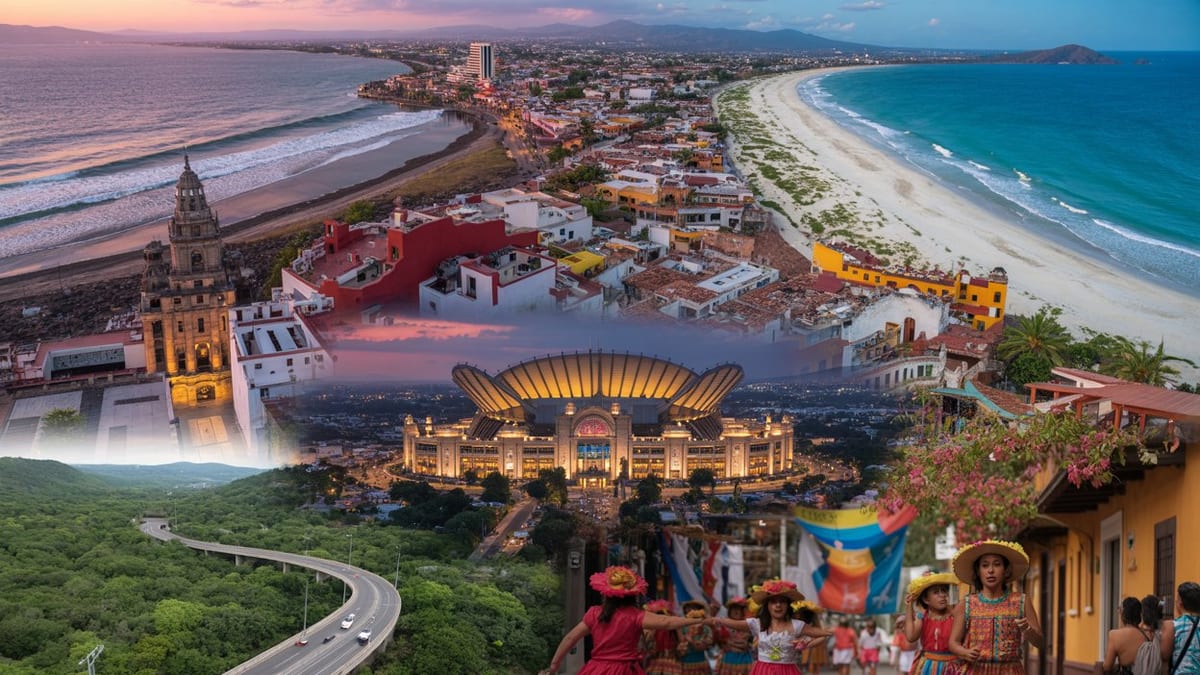
Image by Travel And Tour World
National Strategy Aims to Spread World Cup Tourism Beyond Host Cities
Mexico will host 13 World Cup matches across Mexico City, Guadalajara and Monterrey, but federal tourism planners have repeatedly emphasized that all 32 states are being folded into a nationwide tourism strategy for the tournament period. Publicly available information from recent briefings shows that the federal tourism secretariat and Visit México are promoting a web of cultural routes, gastronomic festivals and sporting events across the country to ensure that benefits reach destinations that will not see any kick-off themselves.
Reports from industry publications indicate that this strategy is framed around connecting fans who arrive through major gateways with secondary destinations by air and road. The approach includes coordinated branding, multi-destination itineraries and campaigns aimed at travel advisors in key source markets, particularly the United States and Canada, whose fans are expected to represent a large share of visiting supporters.
Analysts following the sector note that Mexico’s football heritage and the historic status of Estadio Azteca as a three-time World Cup venue are being used as anchors for a broader narrative about the country as a year-round sports and culture destination. The World Cup is being treated less as a standalone sports event and more as a launchpad for new tourism products that authorities hope will remain relevant well after the final whistle in July 2026.
Nayarit Steps Forward With Riviera Coastline and Emerging Infrastructure
Against this backdrop, Nayarit is moving to strengthen its position on the Pacific tourism map. The state’s coastline, marketed internationally as Riviera Nayarit, has spent the past decade adding upscale resorts, boutique hotels and adventure offerings that complement its established surf spots and fishing villages. Travel trade coverage highlights steady increases in air connectivity through nearby airports, as well as renewed interest from North American hotel brands.
In the lead-up to 2026, regional tourism reports suggest that Nayarit is aligning its promotional message with the national World Cup campaign, marketing itself as an easy Pacific detour for fans attending matches in Guadalajara or Mexico City. The state benefits from its location north of Puerto Vallarta, a major air gateway shared with neighboring Jalisco, and from existing road links that allow visitors to pair match days with beach stays of three to five nights.
Local business groups and hospitality stakeholders are understood to be focusing on small-group experiences that resonate with football travelers, including sailing, whale-watching during season, and surf trips that can be slotted between fixtures. The expectation in the market is that a mix of family groups, fan friends and corporate guests will look for quieter coastal bases within a short flight or drive of the host cities, a niche that Nayarit is well-placed to capture.
Pacific Powerhouses: Jalisco and Guerrero Prepare Beach Gateways
Jalisco, one of Mexico’s three World Cup host states, has been prominent in recent coverage of tournament preparations. Beyond stadium and transport investments in Guadalajara, reports from regional outlets describe how Puerto Vallarta has been used as a launch site for federal programs aimed at strengthening small and medium tourism businesses ahead of the expected visitor surge. Training, digitalization support and access to finance form part of this program, which is designed to help local operators adapt to higher demand and international expectations.
Guerrero, home to the long-established resort city of Acapulco, is also seeking to reassert its role in Mexico’s tourism mix as recovery continues following recent storm damage and security concerns. Travel industry commentary points to a renewed focus on events, beach refurbishments and boutique properties, with an eye on short post-match escapes for fans who want a classic Pacific beach setting within a manageable travel distance from the host cities.
Market observers say that together with Nayarit, these Pacific destinations are crafting a shared narrative built around sunsets, gastronomy and outdoor adventure linked to football timelines. Packages under discussion in the trade press include combinations such as Guadalajara group-stage fixtures followed by four-night stays in Puerto Vallarta or Riviera Nayarit, as well as itineraries that route travelers through Mexico City before a final leg to Acapulco.
Caribbean and Inland States Target Longer Stays and Multi-City Trips
On the Caribbean side, Quintana Roo’s tourism centers, including Cancun and the emerging hub of Tulum, are preparing for a significant influx of visitors even without hosting any World Cup matches. Regional news coverage describes campaigns to establish Tulum’s new airport as a key gateway for international fans, with Cancun expected to absorb a large share of arrivals using the region as either a starting point or a post-tournament decompression stop.
The strategy for Quintana Roo appears to lean on its proven formula of all-inclusive resorts and beach clubs, complemented by archaeological sites and nature reserves. Travel advisors contacted in trade reports have indicated strong interest in pre- and post-World Cup packages that blend stadium visits in central or northern Mexico with Caribbean beach time, effectively turning match tickets into the centerpiece of extended holidays.
Inland, states such as Hidalgo are positioning themselves as cultural and historical side trips within reach of Mexico City. Tourism promotion materials highlight colonial towns, mineral springs and regional cuisine as attractions for visitors with a few spare days between fixtures. With estimates from business groups suggesting that millions of additional tourists could arrive in Mexico during June and July 2026, these secondary destinations see the World Cup as a chance to reach first-time visitors who might otherwise stay solely in the host cities.
Capacity, Connectivity and Health Measures Shape Visitor Experience
Behind the marketing campaigns, practical questions around capacity, connectivity and health safeguards are shaping how fans may experience Mexico during the World Cup. Policy and infrastructure briefings point to ongoing investments in airports, metro lines and intercity transport links serving the three host cities, with Monterrey, Mexico City and Guadalajara all accelerating projects intended to ease the movement of large crowds.
At the same time, recent public health alerts in Jalisco related to a measles outbreak have drawn attention to the importance of vaccination and monitoring as visitor numbers rise. News reports from February and March 2026 describe temporary measures such as mask requirements in schools and enhanced surveillance, reminders that health preparedness will be scrutinized closely by international travelers and event organizers alike.
Accommodation capacity is another focal point. Legal and hospitality analyses warn of pressure on hotel inventory in and around the host cities, and suggest that surrounding states, including Nayarit, Guerrero and Hidalgo, may absorb overflow demand. This dynamic is expected to encourage the development of new products in nearby beach and cultural destinations, from mid-range hotels to vacation rentals, as local businesses look toward the tournament period as a peak test of Mexico’s tourism ecosystem.
With ticket phases already underway and inter-confederation play-offs scheduled in Mexican stadiums in March 2026, the countdown is entering a decisive stage. For Nayarit and fellow destinations across Mexico, the task now is to convert football attention into booked itineraries, offering fans compelling reasons to explore far beyond the final whistle.