

More news on this day
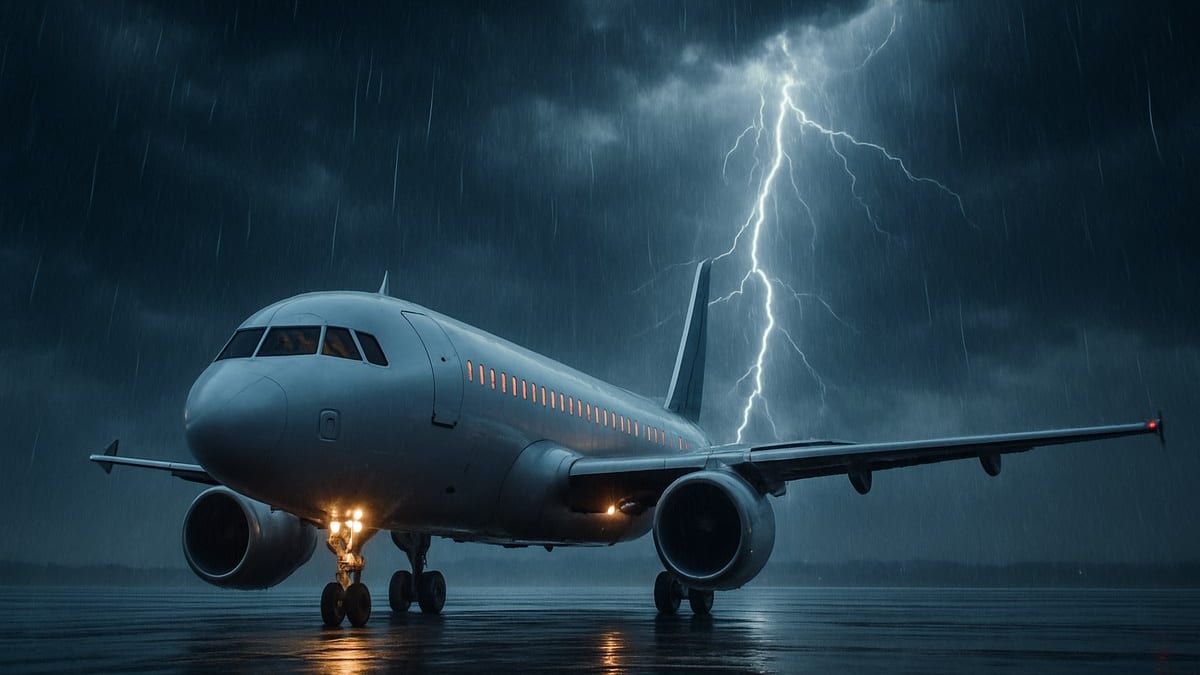
Nigerian and international travelers planning trips to and from Nigeria over the next two years are being urged to brace for more weather-related flight disruption, as climate projections point to unusually prolonged and erratic rainy seasons that could affect airline operations through December 2026.
Get the latest news straight to your inbox!
Climate outlook points to longer, wetter seasons
Recent seasonal climate projections from the Nigerian Meteorological Agency indicate that rainfall patterns in 2025 and 2026 are likely to remain irregular, with late-onset showers in some regions, early onset in others and an overall tendency toward extended wet conditions. The outlook suggests that thunderstorms, intense downpours and low cloud ceilings may persist deeper into the year than historical averages, particularly across coastal and central states.
Regional climate assessments for West Africa also highlight an increased probability of heavy rainfall episodes over parts of Nigeria during the traditional June to September peak, with some models indicating that wet conditions could linger into October and November. These shifts are broadly linked to a warming climate, which is altering the timing and intensity of rainfall across the Gulf of Guinea and the Sahel.
In Nigeria, such anomalies have already translated into back-to-back years of significant flooding and storm activity. Publicly available disaster reports show that multiple states experienced major floods in 2024 and 2025, displacing communities and disrupting transport corridors. Aviation analysts note that when saturated ground, poor drainage and intense storms converge on already busy airports, the risk of operational disruption rises sharply.
Published commentary from Nigerian climate researchers adds that the 2026 forecast follows a pattern of recent years in which rains have either started earlier than expected, stopped abruptly or continued after their usual end date. For air travel, the concern is less about the total number of rainy days than about the frequency of severe weather cells, lightning activity and sudden wind shear events, all of which can trigger flight delays or diversions.
Weather already a major trigger for Nigerian flight delays
Available data and industry commentary indicate that adverse weather conditions are already among the leading factors behind flight delays and cancellations within Nigeria. During both the rainy season and the dry, dusty harmattan period, poor visibility, storms and crosswinds can push airport conditions below the minimums required for safe takeoff and landing.
Reports from Nigerian aviation publications describe how intense rainfall and thunderstorms in Lagos, Abuja and Port Harcourt have repeatedly slowed traffic, forcing airlines to hold aircraft on the ground or reroute arrivals to alternate airports. In some cases, airlines have publicly attributed same-day schedule disruptions to heavy rain and storm activity, underscoring the sector’s operational sensitivity to weather patterns.
Industry analyses further suggest that infrastructure constraints at key airports magnify the impact of bad weather. Limited runway capacity, congestion on the apron and outdated drainage systems can combine with heavy downpours to create bottlenecks, extending the time it takes to clear backlogs once conditions improve. This dynamic is especially visible at peak travel times, when aircraft rotations are tightly scheduled and a single weather-related delay can cascade across multiple routes.
Against this backdrop, a forecast of potentially extended rainy seasons through late 2026 is being interpreted by travel observers as a warning sign that today’s levels of disruption could persist or intensify if no additional resilience measures are put in place.
Regulatory framework and passenger rights in focus
Publicly available regulatory documents show that Nigeria’s Civil Aviation Act 2022 and the Nigerian Civil Aviation Regulations set out detailed obligations for airlines when flights are delayed or cancelled. Under these rules, carriers are generally expected to provide timely information on the causes of disruption, offer refreshments and communication support during prolonged waits and, in specific circumstances, arrange hotel accommodation for stranded passengers.
Legal guides on passenger rights in Nigeria note that, for extended delays beyond a defined threshold on domestic routes, travelers may be entitled to partial fare refunds or rebooking at no extra cost. These provisions apply regardless of whether the underlying cause is operational, technical or weather-related, even though poor weather is typically considered outside an airline’s direct control when it comes to claims for additional damages.
According to parliamentary records and local media coverage, lawmakers have in recent years pressed the aviation regulator to enforce these protections more strictly and to ensure that airlines communicate clearly when delays arise. Consumer advocacy groups argue that transparent implementation of existing rules will be especially important if climate-related disruption becomes more frequent during the 2025 and 2026 rainy seasons.
Travel specialists caution that while the regulatory framework provides a baseline of protection, passengers often remain unaware of their entitlements. As warnings about prolonged rainy seasons circulate, industry observers are encouraging travelers to familiarize themselves with delay and cancellation policies, both under Nigerian law and in individual airline conditions of carriage.
Travel planning for Nigerians and visitors through 2026
For Nigerian travelers and international visitors alike, the prospect of extended rainy seasons through December 2026 is prompting renewed attention to travel planning and risk management. Advisory pieces in local travel media recommend that passengers build more flexibility into their itineraries, especially when scheduling time-sensitive events such as weddings, business meetings or international connections.
One common recommendation is to avoid the tightest possible connections during the June to October window, particularly on itineraries that combine domestic Nigerian legs with long-haul flights. By allowing additional buffer time between segments, travelers can reduce the risk that a weather-related delay on a domestic route will cause them to miss an onward international departure.
Travel agencies and online booking platforms are also highlighting the value of flexible tickets and robust travel insurance in a period of heightened climate variability. Policies that cover missed connections, overnight stays and rebooking fees can soften the financial impact of disruption, although travelers are advised to check carefully how each policy treats weather as a cause of delay.
For those flying into airports with known flooding or drainage challenges, travel commentators suggest monitoring weather forecasts closely in the days before departure and registering for airline or airport alert services. Early awareness of approaching storms can help passengers adjust plans, change to earlier departures where possible or prepare for extended time at the terminal.
Pressure grows for aviation and climate adaptation measures
The warnings about a potentially longer rainy season through 2026 are also feeding into a broader debate about how Nigeria’s aviation sector should adapt to climate change. Policy papers and expert commentary have called for accelerated investment in weather-resilient infrastructure, including improved runway drainage, upgraded approach lighting and more advanced landing systems at high-traffic airports.
Meteorological and hydrological agencies, for their part, are working to refine high-impact weather forecasts tailored to transport operators. Recent bulletins have provided state-by-state guidance on expected thunderstorms, heavy rainfall and associated flood risks, with recommendations that transport and emergency management bodies integrate these products into their daily planning.
Aviation analysts argue that better integration of such forecasts into airline and airport decision-making could help reduce the knock-on effects of storms, even if individual delays remain unavoidable. This could include earlier schedule adjustments ahead of predicted bad weather, more realistic block times during peak rainy months and collaborative planning between air traffic control, ground handlers and carriers.
As Nigeria heads into consecutive years of heightened climate variability, the combination of scientific projections, regulatory obligations and traveler awareness is shaping how the country prepares for another cycle of wet-season flying. With projections suggesting that weather-related disruption may remain a feature of Nigerian aviation through at least the end of 2026, both industry and passengers are being encouraged to plan for a more volatile operating environment.