

More news on this day
Nigerian-bound travelers are being urged to brace for weather-related flight disruptions through December, as heavy rains, thunderstorms and low visibility conditions increasingly interfere with domestic and international schedules across the country’s busiest airports.
Get the latest news straight to your inbox!
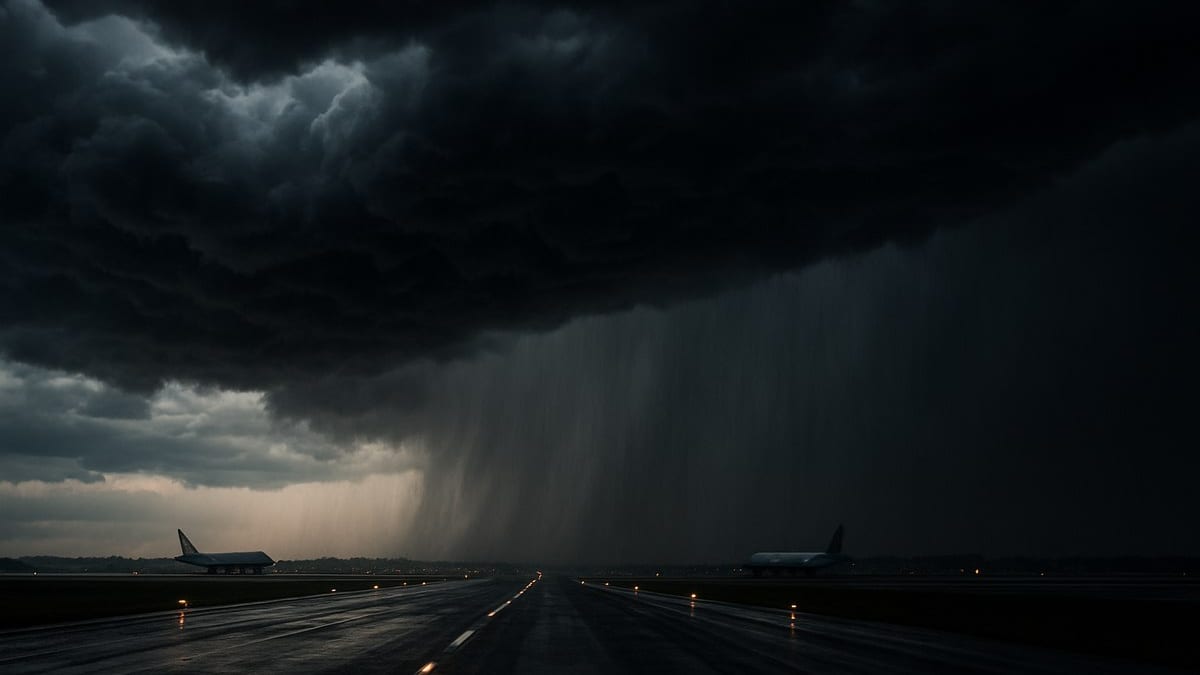
Rainy Season Brings Higher Risk of Delays and Cancellations
The onset of Nigeria’s main rainy season, which typically stretches from late March through October and tapers into localized storms toward year end, is already translating into more weather-related disruptions at hubs such as Lagos, Abuja and Port Harcourt. Publicly available information from the Nigeria Civil Aviation Authority indicates that adverse conditions, including thunderstorms and reduced visibility, are among the leading causes of flight delays during both the rainy months and the later harmattan period.
Recent coverage of disruption patterns shows that airlines operating in Nigeria routinely adjust schedules, hold departures on the ground or divert flights when storm cells move across major corridors. Aviation reports from late 2024 and 2025 highlighted thousands of delayed and cancelled domestic flights over just a few months, with regulators pointing to a mix of operational constraints and seasonal weather as key drivers.
While the most intense rainfall is expected between April and October, forecasters note that severe storms can continue to affect parts of the country toward December, especially in coastal and central regions. For travelers planning trips into Nigeria between now and the end of the year, the combination of lingering rains, early harmattan haze and peak holiday demand is likely to keep disruption risk elevated.
Regulator Focuses on Passenger Rights Amid Persistent Disruptions
The Nigerian Civil Aviation Authority has spent the last two years tightening its focus on how airlines handle disrupted passengers. Public documents and media coverage describe stepped-up enforcement of Nigeria’s 2023 Consumer Protection Regulations, which set out the care and compensation travelers should receive when flights are delayed or cancelled.
Regulatory updates indicate that carriers are required to provide refreshments after delays of several hours, as well as hotel accommodation, rebooking or refunds in specific circumstances. According to published data, domestic airlines refunded more than a billion naira to thousands of passengers in one quarter of 2025 alone, underscoring the scale of ongoing schedule problems and the growing use of formal redress mechanisms by travelers.
With the rainy season now intensifying, the regulator is signaling that it expects airlines to apply these rules consistently even when delays are triggered by weather. Publicly available statements stress that safety remains paramount when thunderstorms or poor visibility threaten flight operations, but they also emphasize that passengers must be kept informed and supported during extended waits at the airport.
Implications for Nigerian Travelers and the Diaspora
The warning around rainy-season disruption has particular implications for Nigerian travelers in the country and members of the diaspora planning trips home later in the year. Reports on recent travel seasons show that peak flows often occur around religious holidays, school breaks and the busy December period, when airports can become crowded just as storms or haze force rolling schedule changes.
Travel coverage focusing on Nigerian routes notes that missed connections are a frequent consequence when inbound long-haul flights arrive late, or when domestic segments are held on the ground for weather clearance. This can be especially challenging for passengers transiting through Lagos or Abuja to secondary cities, where limited daily frequencies mean a single missed sector can translate into an overnight stay.
According to industry analysis, travelers flying from North America and Europe into Nigeria face an added layer of complexity because disruptions on one leg can cascade throughout an airline’s network. A thunderstorm-induced ground stop in Lagos, for example, can cause aircraft and crew to go out of rotation, affecting return services and subsequent departures in other regions.
Planning Strategies During the 2026 Rainy Season
Travel analysts recommend that passengers factor in potential weather-driven delays when booking Nigerian-bound journeys through December 2026. Publicly shared guidance from aviation and travel experts suggests allowing longer minimum connection times, especially when linking international arrivals with domestic legs on separate tickets.
Travelers are also encouraged to monitor airline communications closely in the days leading up to departure. Many carriers serving Nigerian airports now issue travel waivers or flexible rebooking options when forecasts show severe storms along key routes. Checking flight status via airline apps, signing up for text alerts and confirming terminal information shortly before heading to the airport can help reduce uncertainty.
Reports on previous rainy and harmattan seasons further indicate that early morning flights may encounter fewer convective storms than late afternoon departures, when heating over land often fuels more intense thunderstorms. While no timing strategy can eliminate disruption risk, selecting earlier services where possible may improve the odds of operating closer to schedule.
What Travelers Should Expect Through December
Based on published patterns from recent years, Nigerian travelers should expect a continuation of intermittent, sometimes prolonged, weather-related disruptions throughout the 2026 rainy season and into the early stages of the December travel rush. Intense downpours, lightning and low cloud ceilings can all lead to temporary runway closures or stricter spacing between aircraft, slowing departures and arrivals.
Airlines are anticipated to respond with a mix of delays, aircraft swaps and occasional cancellations, prioritizing safety when storms are active around airports or along planned routes. Public information from the regulator indicates that carriers are under pressure to communicate these changes more transparently and to meet their obligations for care and, where applicable, refunds.
For travelers, the practical takeaway is to build flexibility into itineraries, keep essential items in carry-on luggage and be prepared for longer than usual waits at key Nigerian airports during heavy weather days. As the rainy season overlaps with the ramp-up to December’s peak traffic, Nigerian-bound passengers who plan conservatively and stay informed are likely to navigate the period with less disruption, even as the aviation system adjusts to increasingly volatile weather conditions.