

More news on this day
Nigerian air travelers are being urged to prepare for weather-related delays and cancellations as the country heads into the peak of its rainy season, with the Nigeria Civil Aviation Authority highlighting renewed disruption risks across the domestic network.
Get the latest news straight to your inbox!
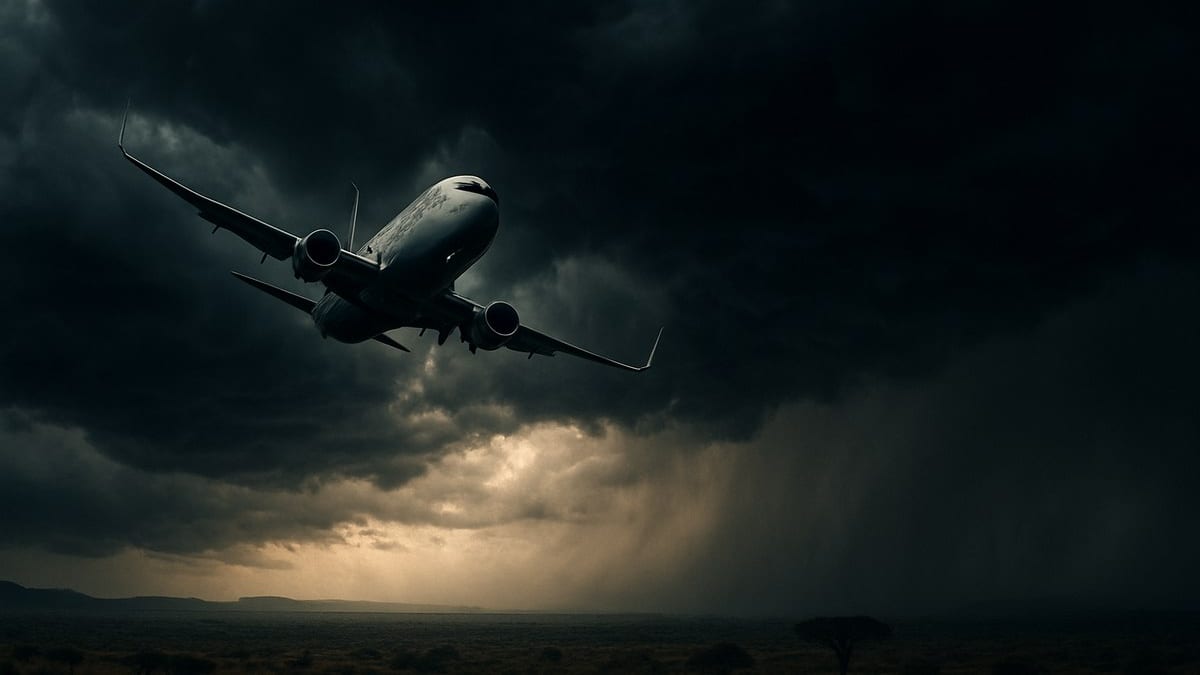
Regulator Flags Higher Disruption Risk As Rains Intensify
Recent public statements and local media coverage indicate that the Nigeria Civil Aviation Authority is drawing attention to the operational challenges that typically accompany the onset of the rainy season. The reminder comes as airlines adjust schedules and capacity at a time when passenger demand remains relatively strong after the Easter and Ramadan travel peaks.
Reports from Nigerian outlets describe the regulator stressing that, while overall disruption levels have improved compared with late 2025, the industry should expect a fresh uptick in weather-related delays as heavy rainfall, thunderstorms, and low visibility become more frequent. Flight operations into and out of key hubs such as Lagos, Abuja, Port Harcourt, and Kano are considered particularly vulnerable because of dense traffic and exposure to coastal and tropical weather systems.
The focus on weather risks follows a period in which airlines have been pressed to improve on-time performance and transparency around schedule changes. Passenger complaints over missed connections, last-minute cancellations, and long airport waits have sharpened scrutiny of the sector, reinforcing expectations that operators prioritise safety and regulatory compliance even when that means holding or diverting flights during storms.
Industry commentary suggests that more aircraft are gradually entering the Nigerian fleet, which could help airlines recover faster from disruptions by offering additional capacity and backup aircraft. However, safety advisories linked to seasonal weather patterns are expected to remain a recurring feature of the travel calendar.
Safety First As Thunderstorms, Low Visibility Threaten Operations
Publicly available regulatory guidance on hazardous weather underscores the specific threats that Nigeria’s rainy season poses to flight operations. Heavy downpours, embedded thunderstorms, wind shear, lightning, and temporary flooding of airside infrastructure can all affect departure and arrival sequences, forcing pilots to delay takeoff, hold for better conditions, or divert to alternate airports.
In addition, low cloud and sudden drops in visibility can interfere with approach and landing procedures, particularly at airports where equipment or terrain constraints already require careful handling. Aviation circulars emphasize the need for pilots and dispatchers to make full use of meteorological data and forecasts from the Nigerian Meteorological Agency when planning flights during the peak rain months.
Published materials from the regulator also highlight that even marginal weather changes can trigger crew duty-time limits and aircraft rotation knock-on effects, which in turn translate into schedule slippages for passengers hours after the worst of the storm has passed. As a result, a brief but intense line of thunderstorms over a busy hub can ripple across multiple routes and carriers.
Observers note that Nigeria’s experience mirrors broader global patterns in tropical and monsoon-affected regions, where climate variability and more frequent extreme rainfall events are complicating long-term planning for airports and airlines. The rainy season remains a predictable feature of the West African climate, but the intensity and timing of individual storms can be difficult to manage in day-to-day operations.
What Nigerian Passengers Should Expect This Rainy Season
Travel advisories and consumer-protection materials suggest that passengers flying within Nigeria during the rainy season should anticipate a higher-than-usual probability of schedule changes. Same-day delays, extended ground stops while storms pass, and occasional cancellations are all described as normal outcomes when safety margins are enforced during severe weather.
Airlines commonly respond by rescheduling flights to off-peak weather windows, consolidating lightly booked services, or prioritising routes with heavy demand and better diversion options. Travelers may therefore experience last-minute changes to departure times or equipment swaps as operators attempt to keep as much of the network running as conditions safely allow.
Consumer guidance from Nigerian aviation bodies indicates that passengers retain rights to care and, in some circumstances, compensation when flights are significantly disrupted. However, weather is often treated as a factor outside an airline’s direct control, meaning that compensation rules and rebooking options can vary depending on the cause and duration of the delay.
Industry watchers recommend that travelers build additional buffer time into travel plans, especially when connecting to international flights or time-sensitive events in cities prone to intense afternoon and evening storms. Early morning departures may offer a slightly better chance of operating around convective weather, though this is not guaranteed.
Tips To Minimise Travel Stress During Peak Rains
Travel and aviation experts in Nigeria consistently recommend that fliers check their flight status frequently on travel days, as schedules can change several times in response to evolving weather information. Passengers are encouraged to monitor airline notifications, keep contact details updated in bookings, and arrive at the airport early when conditions are unsettled.
Flexible ticket options and travel insurance policies that cover weather-related disruption can offer additional protection for those with tight itineraries. Public travel guidance from various governments and tourism bodies also suggests packing essentials such as medications, a change of clothes, and basic toiletries in cabin baggage in case checked luggage is delayed or overnight stays become necessary.
Within Nigeria, local travel guides further advise that visitors prepare for surface transport challenges around airports during heavy rainfall. Short-lived but intense downpours can cause flash flooding on access roads, slow traffic, and make ride-hailing services more difficult to secure at peak hours, adding another layer of uncertainty for departing and arriving passengers.
Despite these challenges, aviation planners point out that Nigerian airports and operators now have greater access to modern weather forecasting tools and navigational aids than in previous decades. The regulator’s renewed warning is framed as a proactive attempt to align expectations rather than a signal of deteriorating safety standards, with the emphasis placed firmly on anticipating, rather than eliminating, rainy season disruption.