

More news on this day
Nigeria’s Civil Aviation Authority is cautioning air travelers to brace for more frequent flight delays and cancellations as the country moves deeper into the rainy season, with heavier storms and rapidly changing weather patterns expected to disrupt schedules across busy domestic corridors.
Get the latest news straight to your inbox!
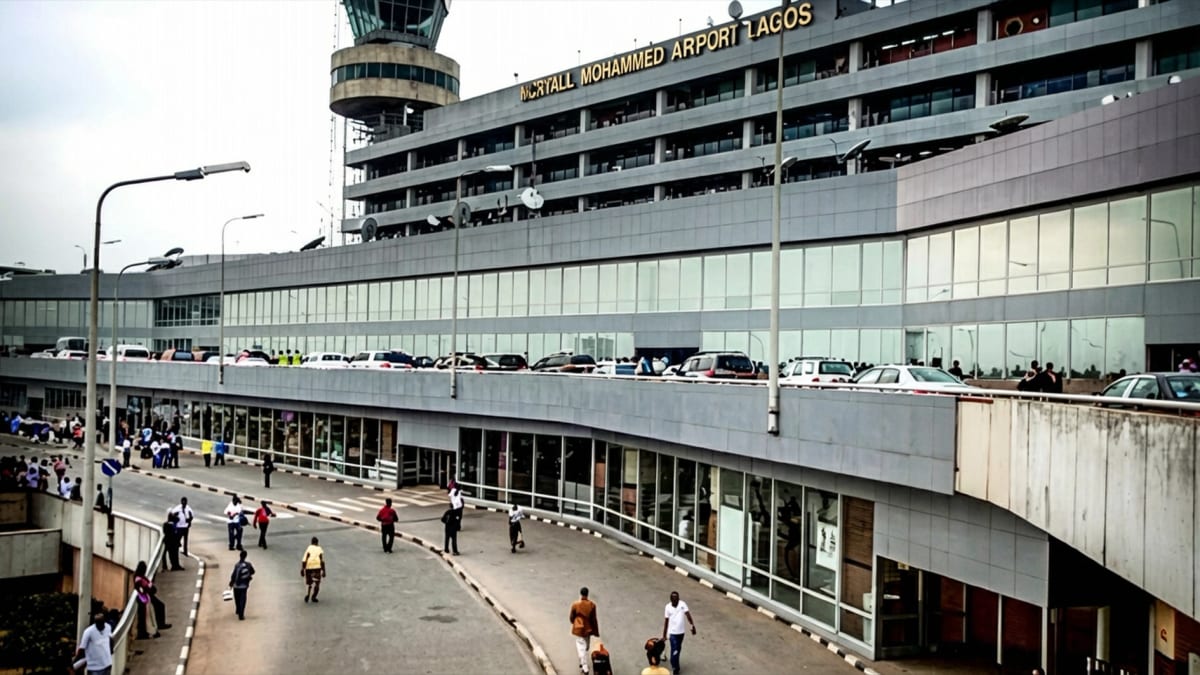
Regulator Flags Higher Weather Risks as Rains Intensify
Publicly available information from the Nigeria Civil Aviation Authority indicates that regulators are renewing warnings first issued in April 2024 about the added risks that come with the onset of the rainy season, when thunderstorms, low cloud, wind shear and poor visibility can force last minute schedule changes for both domestic and regional flights.
Reports describe the rainy season in Nigeria as beginning roughly in March along the coastal south, April and May in the central belt and as late as June or July in the far north, creating months of unstable conditions for pilots and controllers to manage across the network. Regulators have repeatedly stressed through published guidance that flight safety takes priority over on-time performance when weather deteriorates quickly around departure or arrival airports.
Coverage of earlier advisories highlights that the NCAA has used past rainy seasons to remind airlines, airport operators and passengers that adverse weather can trigger ground stops, diversions and long tarmac waits, especially at busy hubs serving Lagos, Abuja and Port Harcourt. These seasonal alerts are framed as part of routine safety messaging rather than an emergency measure, but they underline that travelers should anticipate operational knock-on effects when storms roll in.
Industry analysis suggests that the renewed focus on rainy season flying conditions comes after several years of heightened public scrutiny of service reliability in Nigeria’s domestic market, where passengers have increasingly voiced frustration over sudden schedule changes and limited information when weather affects operations.
Data Show Thousands of Disruptions Across Recent Seasons
Recent summaries of airline performance compiled from NCAA data show how deeply disruptive bad weather and related operational constraints can be during peak seasons. One report on domestic operations in 2024 cited more than 34,000 flight disruptions across the year, including both delays and outright cancellations, with regulators and analysts pointing to a mix of weather, technical and scheduling issues.
More granular figures published for specific months underscore the scale of the problem. In September and October 2024 alone, publicly available statistics show that Nigerian airlines recorded more than 5,000 delays and around 900 cancellations out of roughly 10,800 scheduled flights, meaning that a significant share of passengers experienced some form of disruption during that late-rainy and early harmattan transition period.
Subsequent reporting on 2025 performance, based on a summary of NCAA data obtained by local media, indicated that at least 845 flights among 13 domestic carriers were delayed or cancelled in the third quarter of 2025, a period that still falls within the broader wet season for many parts of the country. While some operators recorded modest improvements compared with 2024, analysts noted that adverse weather continued to play a recurring role in operational instability.
Separate economic analysis released in early 2026 estimated that domestic airlines lost tens of billions of naira in 2025 from delays and cancellations, reflecting not only direct revenue impacts but also compensation obligations and higher fuel and crew costs when aircraft and passengers are repositioned after storms clear.
Passenger Experience: Longer Waits, Missed Connections and Packed Terminals
For travelers, the NCAA’s rainy season warnings translate into practical concerns such as longer airport waits, missed connections and crowded terminals when multiple flights are held at once. Passenger-rights advocates quoted across Nigerian media have described a pattern in which weather-related groundings can ripple through the network, turning a short delay in a storm-affected city into cascading disruptions for services later in the day.
During recent seasons, local outlets have documented cases in which Lagos-bound flights from Abuja and other cities were delayed for several hours after thunderstorms reduced visibility at arrival airports, with airlines sometimes rescheduling departures multiple times in response to updated meteorological reports. Travelers have also reported frustrations when aircraft depart but are forced to hold or divert due to sudden weather changes near destination airports.
Consumer-protection discussions around these incidents increasingly focus on communication and crowd management. Media reports of stakeholder meetings between the NCAA, airport authorities and domestic carriers describe regulators urging operators to improve real-time updates to passengers and to ensure that ground staff are available to handle surges of stranded travelers when storms ground aircraft during the late afternoon and evening peak.
Advocacy groups and legal analysts point out that Nigeria’s civil aviation regulations recognize passengers’ rights in cases of extended delays and cancellations, including provisions for care and, in some circumstances, compensation. However, commentary in legal and business journals suggests that many travelers remain unclear about what they are entitled to when disruptions are formally attributed to weather, a category that can limit financial obligations for airlines.
Operational Pressures on Airlines During the Wet Season
The NCAA’s latest rainy season reminders arrive at a time when domestic carriers are already operating under pressure from volatile fuel prices, currency constraints and maintenance bottlenecks. Industry commentary indicates that some Nigerian airlines have had aircraft grounded overseas for extended maintenance due to foreign-exchange shortages, reducing available capacity just as seasonal weather patterns demand more schedule flexibility and reserve aircraft.
Analysts quoted in recent aviation business coverage argue that this combination of constrained fleets and demanding weather can push schedules close to their limits. When storms force an airport closure or a runway inspection, there is often little spare capacity to re-accommodate passengers quickly, leading to longer delays and a higher likelihood of cancellations, particularly on evening departures.
Operational data cited in local business newspapers show that in several recent quarters, the majority of recorded disruptions were categorized as delays rather than cancellations, suggesting that airlines often attempt to operate flights once conditions improve rather than scrub them entirely. However, this strategy can shift disruption into late-night or early-morning hours, testing regulations around crew duty times and passenger care obligations when flights push past curfew windows.
Airport-side constraints also play a role. Reports indicate that ground handling, baggage processing, and turn-around times tend to lengthen in heavy rain, particularly at congested terminals where apron flooding and lightning alerts can temporarily halt ramp operations. These slowdowns mean that even when a thunderstorm passes quickly, it can take hours for airlines to work through accumulated backlogs.
Guidance for Travelers Planning Wet-Season Journeys
Against this backdrop, the NCAA’s public messaging ahead of the rainy months is framed as a call for preparedness rather than alarm. The authority’s previously published advisories encourage passengers to plan for possible schedule changes, including by allowing longer connection times, monitoring flight-status updates before leaving for the airport and being ready for gate or timing adjustments when storms develop near key hubs.
Travel industry observers suggest that passengers booking during the wet season may benefit from choosing earlier flights in the day where possible, as morning departures are statistically less exposed to the cumulative effect of afternoon and evening thunderstorms. Flexible or refundable tickets, while costlier, can also provide an extra layer of security for travelers with critical onward connections or time-sensitive commitments.
Airlines, for their part, are under pressure from regulators and legislators to match their schedules more closely with available aircraft and crew, and to prioritize transparent communication when weather forces last minute changes. Lawmakers have in recent years urged stricter enforcement of Nigeria’s aviation consumer-protection rules, reflecting public concern about both recurring disruptions and the way they are handled.
With the rainy season already underway across the south and set to intensify in central and northern regions over the coming months, the NCAA’s warning serves as a reminder that weather-linked flight delays and cancellations are likely to remain a defining feature of Nigeria’s aviation landscape this year, even as broader reforms aim to make the system more resilient.