

More news on this day
With Nigeria’s 2026 rainy season entering a more volatile phase, the Nigeria Civil Aviation Authority (NCAA) is renewing calls for heightened caution among air travelers as storms intensify across key routes.
Get the latest news straight to your inbox!
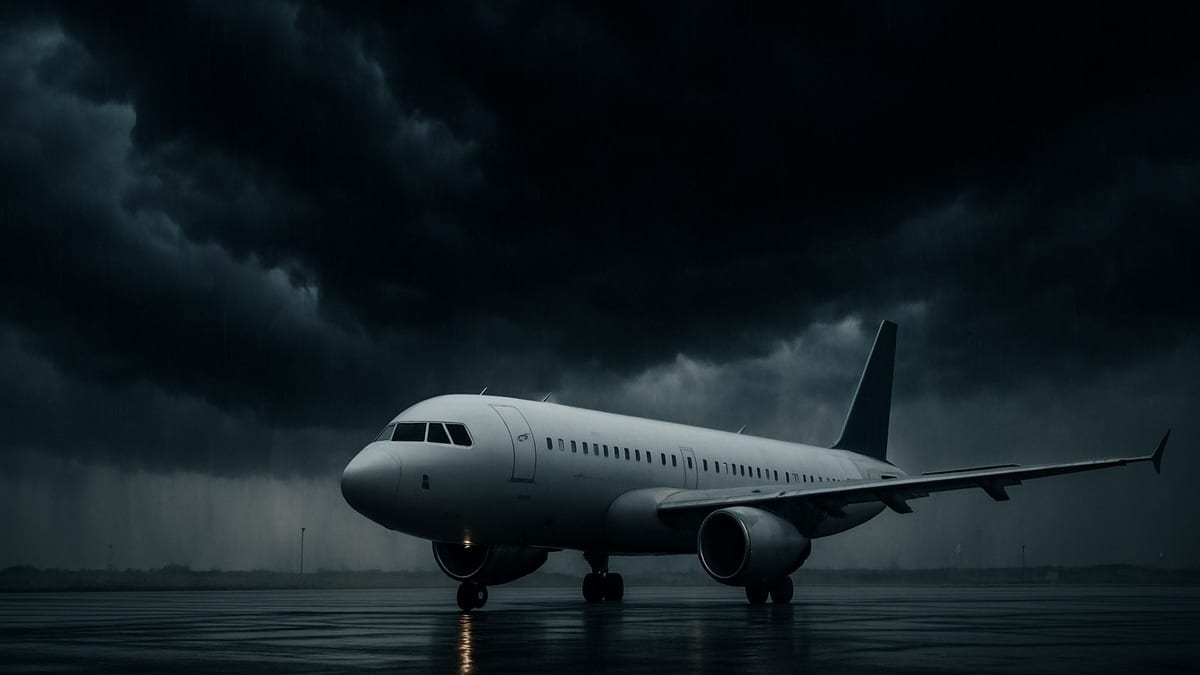
Heightened weather risks as seasonal storms strengthen
Publicly available information from the Nigeria Meteorological Agency’s latest seasonal predictions indicates that most parts of the country will experience generally normal rainfall totals in 2026, but with pockets of heavier-than-average rain in some states. Aviation analysts note that these localized spikes in rainfall often translate into stronger thunderstorms, more frequent lightning and turbulent conditions on busy flight corridors.
The NCAA has previously highlighted the hazards associated with the onset of the rains, drawing attention to phenomena such as severe thunderstorms, microbursts, low-level wind shear and periods of heavy downpour around airports. These conditions can sharply reduce visibility on approach and departure, complicate flight paths and force last-minute schedule changes or diversions, especially at peak travel times.
Rainfall patterns typically begin earlier in southern coastal areas and spread northward over subsequent months, covering Lagos, Abuja, Port Harcourt, Kano and other major hubs during the core of the season. Industry observers point out that this staggered pattern, combined with high passenger demand, increases the likelihood that different parts of the network will experience disruptive weather on different days, stretching operational resilience.
Recent disruptions attributed to poor weather, including diversions and extended ground time for some flights, illustrate how fast-changing conditions can challenge both pilots and airport operators. Reports from local media in early 2026 have described aircraft unable to land as scheduled because of storms or low visibility, reinforcing regulatory warnings that weather remains a primary driver of delays during this period.
Regulator focuses on safety margins and flight planning
NCAA circulars and advisories in recent years have consistently emphasized the need for conservative decision-making by airlines when storms are active, urging strict adherence to instrument flight rules, minimum visibility thresholds and diversion policies. Publicly available documents show that the regulator frames hazardous weather as a safety issue rather than a customer-service problem, indicating that schedule reliability must yield when conditions deteriorate.
In this context, Nigerian carriers are expected to build greater buffers into their flight planning, allow extra holding fuel where appropriate and be prepared to re-route flights or delay departures when forecast data shows high-impact weather along a route. Observers note that meteorological products issued for aviation use, such as nowcasts for hazardous weather and seasonal outlooks, are playing a larger role in day-to-day operational decisions.
The regulator’s stance is also shaped by recent incidents worldwide in which aircraft encountered severe convective weather or wind shear on approach. Aviation safety specialists in Nigeria point to these events as reminders that even modern airliners with sophisticated onboard weather radar remain vulnerable if crews are not given enough time or information to avoid dangerous cells.
By highlighting rainy-season risks early and repeatedly, NCAA aims to reinforce a safety culture in which cancellations or diversions due to storms are understood as necessary trade-offs. Industry monitoring suggests that Nigerian airlines increasingly acknowledge this framing, explaining recent weather-related delays and diversions as part of a broader commitment to international safety standards.
What air travelers should expect at the peak of the rains
For passengers, the practical impact of the 2026 rainy season is likely to be felt most clearly in flight schedules. Travelers can expect more frequent delays, particularly on afternoon and evening departures when convective activity often peaks, and a greater chance of last-minute time changes as pilots and dispatchers adjust to real-time weather information.
According to recent media coverage of disruptions at Nigerian airports, storms have already led to cases where aircraft were forced to hold, divert or return to their departure points, sometimes leaving travelers on board for extended periods while ground arrangements were worked out. These events underline why regulators and airlines stress flexibility in travel planning during the wettest months.
Passengers are being encouraged by consumer advocates and travel experts to build extra time into itineraries, especially when connecting to international flights from regional cities. Booking earlier departures, avoiding tight connections and monitoring flight status closely on travel days are widely recommended strategies for minimizing stress when weather-related changes occur.
Advisory materials circulated by Nigerian aviation and consumer bodies also note that travelers retain key rights when disruptions arise, including access to clear information on delays and options for rebooking. However, they caution that safety-driven decisions linked to active thunderstorms or airport closures may limit the immediate remedies available, particularly when multiple airlines are affected at once.
Operational pressures on airlines and airports
The peak of the rainy season tends to amplify existing operational challenges for Nigeria’s aviation sector. Airlines must manage tighter fleet utilization at a time when some aircraft may be undergoing maintenance, while also factoring in longer turnaround times caused by wet ramps, cautious taxiing and slower baggage handling in heavy rain.
Airlines have recently drawn attention to how adverse weather can ripple through the system, explaining that even a single storm-induced diversion can lead to crew duty-time issues, displaced aircraft and missed maintenance slots. These knock-on effects can propagate delays across the network long after the original weather cell has passed, especially on busy domestic routes.
Airports also face higher demands on ground infrastructure, from runway lighting and approach aids to drainage systems designed to clear standing water quickly. Reports on past rainy seasons in Nigeria describe episodes of localized flooding and waterlogged access roads that made it difficult for both passengers and staff to reach terminals on time, compounding the impact of airborne weather delays.
Regulatory information from NCAA indicates that navigational and safety-critical systems are routinely checked and calibrated in accordance with international standards. Nonetheless, the combination of intense rainfall, periodic thunderstorms and high traffic volumes during holidays or weekends can stretch capacity, making proactive planning and clear communication essential for both operators and travelers.
Safety guidance and practical tips for Nigerian fliers
At the peak of the rainy season, aviation advisories place particular emphasis on respecting crew instructions and recognizing that decisions to delay, divert or cancel flights are typically based on safety assessments rather than commercial considerations. Safety specialists argue that understanding this context can help to reduce tension at airports when storms disrupt travel plans.
Travel experts recommend that passengers flying within or from Nigeria in the coming weeks regularly check weather forecasts for departure and arrival cities, sign up for airline notifications and keep essential items, such as medications and chargers, in carry-on luggage in case of extended waits. They also suggest considering travel insurance that clearly covers weather-related disruptions on both domestic and international sectors.
Consumer information from Nigerian aviation bodies highlights that travelers should keep all documentation related to delays and diversions, including boarding passes and written notices, in case they need to pursue refunds or compensation later. However, the same materials note that entitlement can vary depending on the circumstances and contractual terms, especially when events are clearly linked to adverse weather conditions beyond the airline’s control.
As the 2026 rainy season reaches its peak, the underlying message from regulators, meteorological agencies and aviation specialists remains consistent: weather-related disruptions are likely, but the most important outcome is that flights depart and arrive safely. Nigerian travelers are being urged to factor this reality into their plans, exercise patience when storms roll in and treat clear, conservative safety margins as an integral part of modern air travel.