

More news on this day
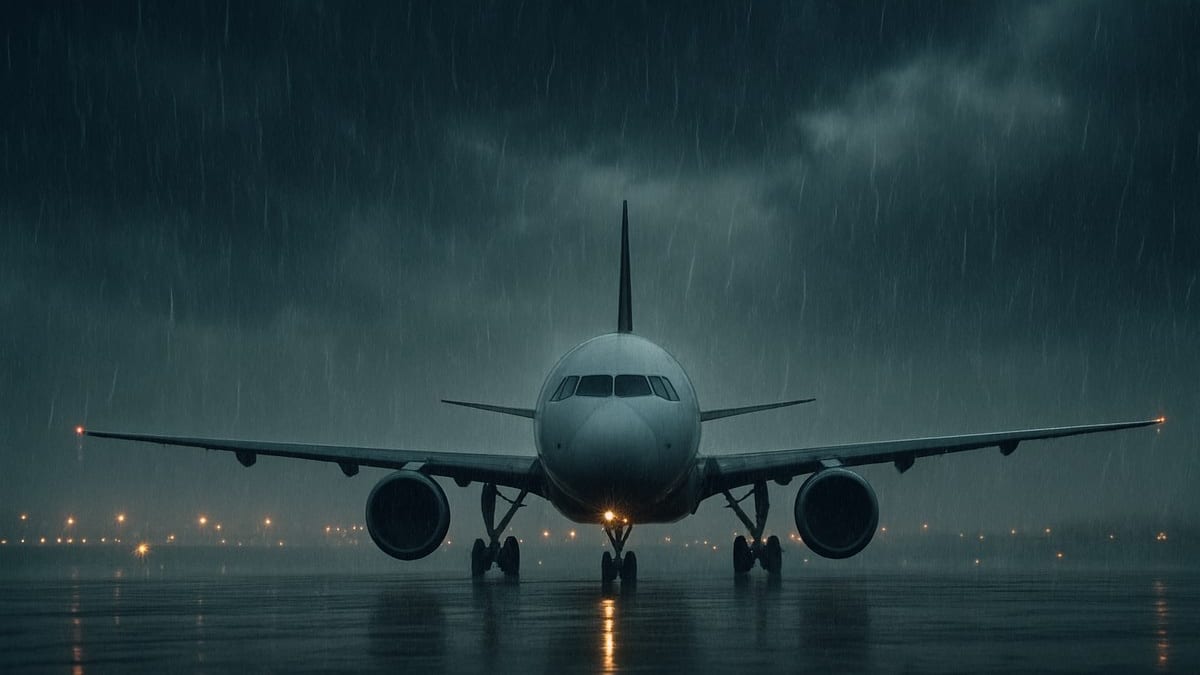
Nigerian air travelers are being advised to prepare for significant weather-related disruptions in 2026, as the Nigerian Civil Aviation Authority (NCAA) highlights the growing impact of the rainy season on an already stretched domestic aviation network.
Get the latest news straight to your inbox!
Regulator Flags Rising Weather Vulnerability Ahead of Peak Rains
Publicly available information from recent briefings and media coverage indicates that the NCAA has begun cautioning passengers and airlines that the onset of the rainy season is likely to intensify schedule disruptions across Nigeria’s busiest routes. The reminder comes as the industry works to stabilize operations following several years of fuel price spikes, airline suspensions and aircraft shortages.
Officials have repeatedly linked spikes in delays and cancellations to adverse weather, particularly heavy rainfall, thunderstorms and low cloud that are common between roughly April and October in much of the country. Aviation commentary in local outlets notes that, during previous wet seasons, flight plans were frequently upended by fast-changing conditions at Lagos, Abuja, Port Harcourt and other hubs, forcing diversions and extended ground holds.
The warning for 2026 is emerging against the backdrop of recent flooding and intense storm systems that have disrupted road transport and damaged infrastructure in parts of Nigeria. Analysts following the sector suggest that heavier rainfall patterns, combined with capacity constraints at several airlines, could leave passengers facing more frequent last-minute changes through this year’s wet months.
Regulatory documents and public statements from associated agencies emphasize that safe operations must take priority over punctuality when visibility deteriorates or storm cells form along popular corridors. That stance is expected to define how the 2026 rainy season is managed, even as pressure grows to minimize disruption for business and leisure travelers.
Why Nigerian Flights Are So Exposed To Rainy Season Disruptions
Industry data published in recent years shows that a large share of delays during both the rainy season and the dusty harmattan period are attributed to weather rather than mechanical issues. When rain bands and thunderstorms move across the country, they can quickly reduce visibility below the minimum levels required for takeoff and landing, particularly at airports that are still upgrading instrument landing systems and lighting.
Reports from airspace and airport managers explain that decisions to delay, divert or cancel flights in poor weather hinge on several factors, including real-time visibility, the sophistication of onboard avionics, the condition of runway surfaces and the specific approvals held by each airline. A single storm cell affecting Lagos or Abuja can ripple through the network, creating missed connections and aircraft and crew imbalances that last for hours.
Past rainy seasons have also spotlighted the crucial role of meteorological services in Nigerian aviation. Strikes and service interruptions at the national weather agency in 2025 led to temporary suspensions and major schedule disruptions at some carriers, underscoring how dependent safe operations are on accurate, timely forecasts and nowcasting during intense rainfall and thunderstorms.
With climate variability contributing to more erratic rainfall patterns in West Africa, weather specialists cited in local and regional analyses suggest that operators may increasingly face sudden downpours, stronger winds and localized flooding around airfields. The NCAA’s early messaging for 2026 aligns with wider concerns that such conditions will challenge both flight crews and ground operations throughout the season.
What Passengers Should Expect During the 2026 Wet Months
Travel coverage focused on Nigeria indicates that passengers flying between April and October should anticipate a higher probability of schedule changes, extended waits at terminals and occasional diversions to alternate airports. These disruptions tend to be most visible on evening services, when deteriorating weather coincides with already congested peak periods.
Consumer protection rules overseen by the NCAA require operators to keep travelers informed of significant delays, cancellations and re-routings. Publicly available summaries of these regulations stress that airlines are expected to provide timely updates, basic care in the event of long delays and options for rebooking or refunds, depending on the length and cause of the disruption.
Nonetheless, recent statistics released through aviation-focused platforms show that thousands of flights in Nigeria have departed late or been canceled each year, with weather cited as a major contributor alongside maintenance and operational issues. Observers anticipate that the combination of intense rainfall and limited spare aircraft during 2026 could make it harder for airlines to recover quickly from a day of storms.
Travel analysts advise that passengers schedule longer connection windows, avoid tight same-day business itineraries during the peak of the rainy season and factor in the likelihood that evening flights may be more vulnerable to rolling delays. Those planning regional connections beyond Nigeria may face knock-on effects if domestic legs are disrupted by storms or extended ground holds.
Industry Response: Capacity, Equipment and Regulatory Oversight
While warning of likely disruptions, the NCAA has also pointed to ongoing efforts to improve resilience in the domestic aviation system. Public information on recent policy moves shows that the regulator is tightening oversight of airline operations and consumer protection, with signals in early 2026 that chronic delays and poor passenger handling may attract tougher sanctions.
At the same time, sector-wide initiatives such as aircraft acquisition summits and bilateral aviation forums are aiming to bring additional capacity into Nigeria’s skies. New airlines have begun operations in 2026 and existing carriers are seeking more modern aircraft, which generally offer better performance in challenging weather and can help reduce cascading delays when storms pass.
Infrastructure upgrades are also under way at several airports, with reports detailing new or recalibrated navigational aids, improved runway lighting and expanded terminal facilities. These investments are designed to help pilots operate more reliably in marginal conditions and to speed up the recovery process after severe weather forces temporary closures.
However, aviation specialists caution that even with better equipment and stronger regulatory oversight, there are limits to how much disruption can be engineered out of a tropical rainy season. The NCAA’s current messaging reflects that reality, urging both airlines and travelers to treat safety restrictions as non-negotiable when heavy rain and thunderstorms affect visibility along key routes.
Planning Ahead: Practical Steps for Nigerian and International Fliers
For passengers, the emerging guidance around the 2026 rainy season points toward more deliberate trip planning. Travel advisories and newsroom coverage suggest that booking earlier flights in the day, building in buffer time for important events and monitoring airline communications closely can help reduce the stress of unexpected schedule changes.
Frequent fliers are also encouraged in public-facing materials to use airline apps and airport information screens to track gate changes and updated departure times, particularly when storm systems are forecast over Lagos, Abuja or Port Harcourt. Travelers connecting from international services into domestic routes may benefit from overnight stays rather than same-day onward bookings during the peak of the rainy period.
Observers note that clearer expectations on all sides will be critical. The NCAA’s rainy season warning sets the tone for 2026 by acknowledging that weather-related disruptions are likely, while signaling that regulators intend to keep pressing airlines for better communication, contingency planning and passenger care when storms intervene.
As heavy rains return across Nigeria, both residents and visitors are being reminded that flying safely in such conditions can require patience and flexibility. For those heading to business meetings, family events or leisure destinations, factoring the realities of the rainy season into itineraries may prove as important as finding the best fare.