

More news on this day
Nigeria’s aviation regulator is cautioning travelers to brace for a fresh wave of weather-related delays and cancellations as the rainy season approaches, highlighting renewed concerns over safety and consumer protection in the country’s already strained air travel system.
Get the latest news straight to your inbox!
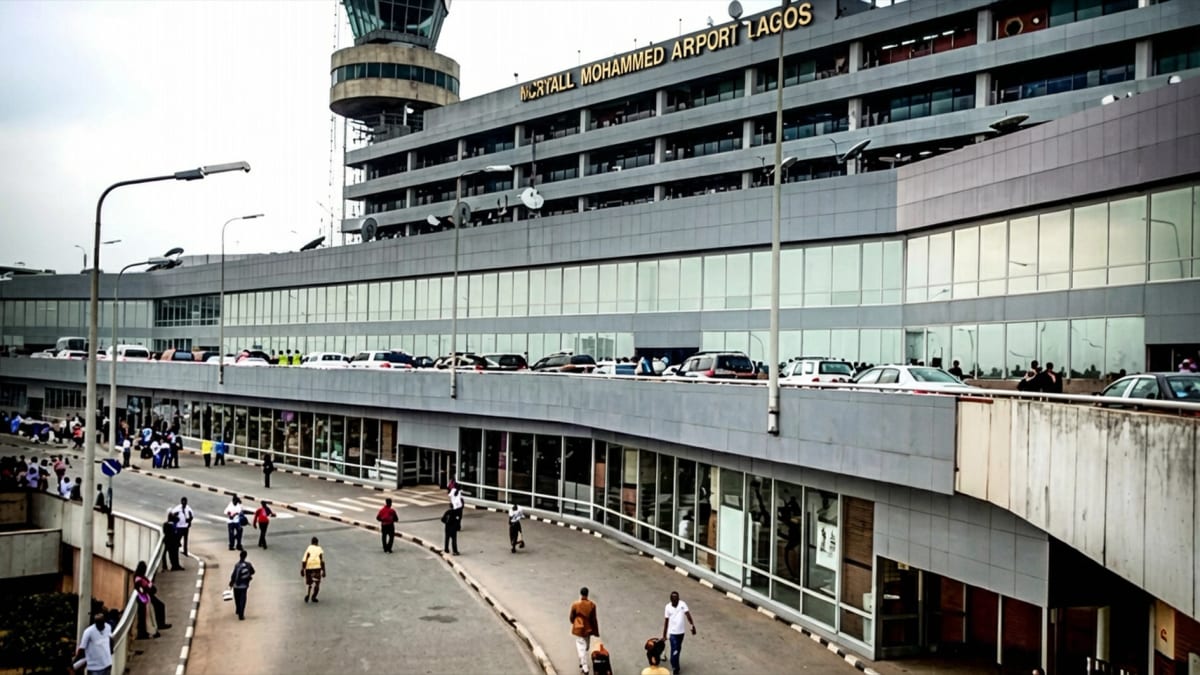
Regulator renews focus on rainy season aviation risks
Recent public advisories and data published by the Nigeria Civil Aviation Authority (NCAA) point to a period of heightened operational risk as convective weather returns across the country’s key air corridors. Earlier guidance from the agency on rainy season flying stresses that thunderstorms, lightning, turbulence and wind shear can all interrupt normal operations, forcing pilots to divert, delay or cancel flights when conditions deteriorate rapidly.
In a widely cited weather advisory, the NCAA noted that the rainy season typically begins in March along the coastal south, April and May across central states, and June or July in much of the north. That staggered onset lengthens the period during which disruptive weather patterns can affect flight schedules nationwide, particularly for carriers that operate tight aircraft rotations between multiple climate zones on the same day.
Publicly available safety information from the regulator underscores that Nigerian pilots are required to obtain updated en route and destination weather briefings before departure and to avoid flying into severe convective systems. Industry reports indicate that adherence to these protocols routinely results in ground delays and airborne holding when storms build along busy routes such as Lagos to Abuja or Port Harcourt.
Aviation analysts say the renewed emphasis on rainy season hazards reflects a broader effort to prioritise safety over punctuality. While the NCAA has repeatedly stated that no commercial flight should depart when weather conditions are considered unsafe, travelers are being reminded that this conservative approach inevitably translates into more frequent schedule disruptions during the wet months.
High disruption numbers add urgency to rainy season warning
Fresh performance data released by the NCAA on 2024 operations shows that weather is only one element in a wider disruption picture, but it is a consistent driver during Nigeria’s wettest months. According to an executive summary of flight operations, airlines operating in and out of the country recorded more than 38,000 delays and over 1,300 cancellations in 2024, affecting both domestic and international services.
Domestic carriers accounted for the bulk of these issues, with more than 33,000 delayed flights recorded across 15 operators. International airlines, numbering about 30, reported over 4,400 delays, reflecting how congestion and weather at foreign hubs can cascade into Nigerian schedules. Industry coverage notes that the total number of disruptions in 2024 exceeded 34,000, illustrating persistent fragility in on-time performance.
Earlier NCAA briefings on specific quarters have highlighted pockets of acute disruption. Third-quarter figures for 2025, for example, showed some domestic airlines recording the highest cancellation rates in the market, while still struggling with elevated delay levels. Those trends coincide with the peak of the rainy season in many northern and central states, when intense storms and reduced visibility are common.
Sector observers point out that these statistics give context to the regulator’s pre‑season warnings. With thousands of flights already disrupted each year by a mix of operational, technical and weather factors, the onset of heavier rainfall increases the likelihood that marginal delays can quickly snowball into networkwide cancellations, missed connections and extended passenger backlogs at major airports.
Consumer protection rules tested by weather disruptions
The NCAA’s rainy season messaging is unfolding alongside a more assertive stance on airline compliance with consumer protection rules. Publicly available documents on Part 19 of the Nigeria Civil Aviation Regulations set out passenger rights during disruptions, including entitlements to information, refunds, care and, in some cases, accommodation when flights are significantly delayed or cancelled.
In late 2025 the regulator publicly drew attention to what it described as repeated breaches of these obligations, convening meetings with several domestic airlines over complaints related to lengthy delays, schedule changes and poor communication with passengers. Subsequent coverage reported that the agency has warned carriers that persistent non‑compliance with Part 19 may attract sanctions.
Earlier actions during the busy end‑of‑year travel period saw the NCAA scrutinise the operations of selected airlines over alleged failures to adequately care for stranded passengers. Public reports from that period describe instances where travelers faced long waits, limited updates and uncertainty about rebooking options, even when disruptions were linked in part to adverse weather and congestion.
Regulatory statements emphasise that, while safety‑driven weather decisions remain non‑negotiable, airlines are expected to plan for seasonal volatility and to respond to disruptions with clear communication and support. The rainy season warnings are therefore being interpreted not only as a safety reminder but also as a signal that enforcement of consumer rights will continue to tighten.
What travelers can expect as storms return
As the rains build, airport users are being advised through media reports and airline notices to anticipate more dynamic schedules, particularly on afternoon and evening departures when convective activity often peaks. Industry experience suggests that early‑morning flights may retain relatively better on‑time performance, though they are not immune from knock‑on effects if aircraft or crews arrive late from previous sectors.
Operational briefings highlighted in Nigerian media indicate that thunderstorms and associated wind shear around Lagos, Abuja, Port Harcourt and Kano can prompt temporary airport flow restrictions, runway inspections and diversions to alternate fields. When combined with limited spare aircraft capacity among many local carriers, even short suspensions of activity can produce multi‑hour delays.
Travel analysts note that passengers connecting from Nigerian domestic services to long‑haul flights on foreign carriers may be particularly exposed to missed connections when weather holds up feeder legs. In such cases, publicly available guidance generally urges travelers to build in longer connection windows during the wettest months or to consider itineraries with greater schedule flexibility.
Reports from previous rainy seasons also show that some airlines issue weather waivers or allow free date changes on specific routes when forecasts point to severe convective systems. However, the availability and scope of such waivers can vary widely by carrier and are usually governed by each airline’s own commercial policies, rather than by regulation.
Calls for investment in resilience as climate risks grow
Behind the immediate focus on this year’s rainy season lies a longer‑term conversation about climate variability and aviation resilience in West Africa. Studies cited by meteorological and aviation agencies globally suggest that changing weather patterns, including more intense storms and heavier rainfall events, can increase the operational burden on airlines and air traffic management systems.
Within Nigeria, stakeholders have repeatedly drawn attention to the limits of existing infrastructure and fleet capacity in absorbing shocks. Media analysis of flight disruption trends notes that carriers with small fleets and tight utilisation schedules are especially vulnerable to cascading delays when a single aircraft or route is affected by adverse weather or technical issues.
Policy discussions reported in local business publications highlight proposals for better weather forecasting tools, enhanced pilot training on wind shear and storm avoidance, and more robust contingency planning at major airports. There is also growing interest in data‑driven approaches to schedule design, using historical weather and delay information to adjust frequencies and departure times during the most volatile months.
For now, the NCAA’s seasonal warning serves as an annual reminder that Nigerian air travel remains highly sensitive to the country’s complex and shifting weather systems. As the clouds build over the Gulf of Guinea and inland regions, travelers, airlines and regulators alike are preparing for another challenging rainy season in the skies.