

More news on this day
Nigeria’s aviation regulator is urging air passengers to prepare for increased delays and schedule changes as the country heads into the 2026 rainy season, warning that more frequent storms and low visibility are likely to disrupt already stretched domestic flight operations.
Get the latest news straight to your inbox!
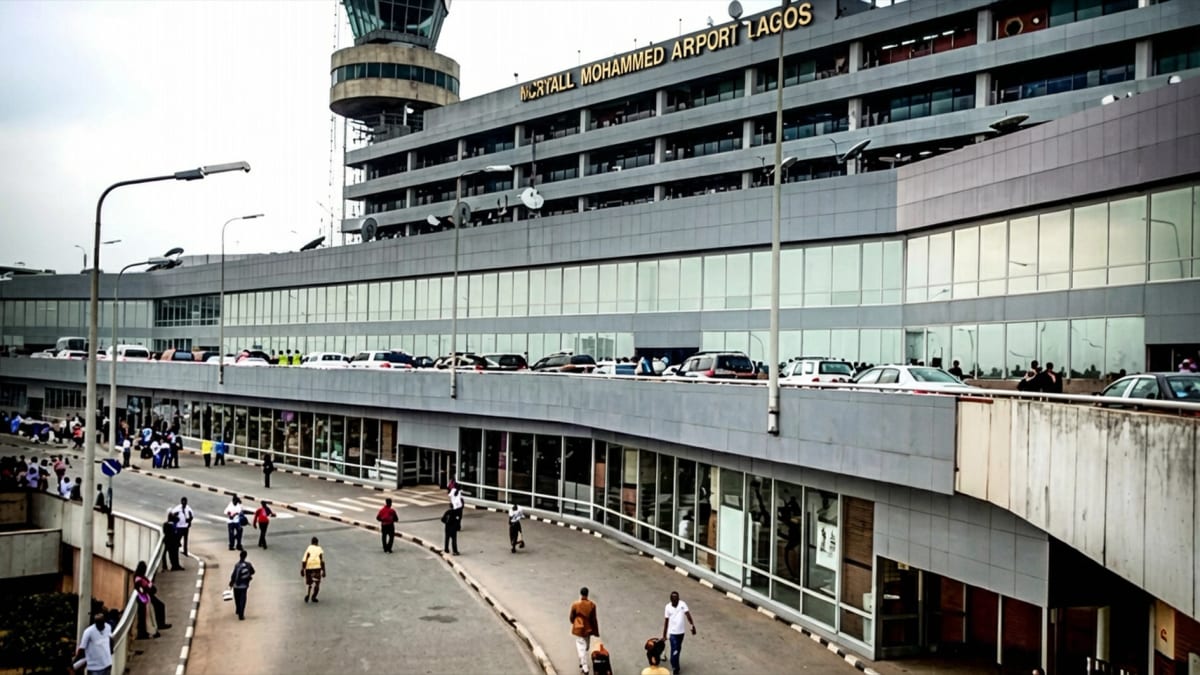
Regulator Flags Heightened Weather Risks as Rains Return
Publicly available information from recent industry briefings indicates that the Nigeria Civil Aviation Authority is warning that the onset of the rainy season typically brings a spike in weather related disruptions, particularly on busy domestic routes linking Lagos, Abuja, Port Harcourt and key regional airports. Officials have consistently highlighted that safety requirements oblige airlines to delay, divert or cancel flights when thunderstorms, heavy rainfall or poor visibility exceed operating limits.
The timing of this renewed caution comes as Nigerian carriers attempt to stabilize schedules after a turbulent period of fleet constraints and infrastructure bottlenecks. Reports from local media over the past week show weather already interfering with operations, including delays linked to adverse conditions at Ibadan and temporary disruption notices at Abuja’s Nnamdi Azikiwe International Airport. These incidents are being cited as early indicators of what passengers may experience more frequently as the wet season deepens.
Regulatory circulars issued in previous years for both dry and wet seasons have repeatedly underscored the need for strict adherence to meteorological advisories from the Nigerian Meteorological Agency. Industry observers note that the new warnings effectively extend that message into the 2026 season, placing renewed emphasis on caution in a year when climate forecasts point to unsettled conditions across much of the country.
NiMet Seasonal Forecast Signals Unsettled Conditions
The latest Seasonal Climate Prediction from the Nigerian Meteorological Agency, presented in Abuja in February, points to a complex rainfall pattern in 2026 that could be challenging for aviation. Analysts reviewing the outlook highlight expectations of early rains in parts of the south, followed by potential dry spells and later episodes of intense downpours, especially in central and coastal regions.
For air transport, this means a higher likelihood of rapidly changing weather along key flight corridors, with thunderstorms and squall lines developing quickly and sometimes unpredictably. Aviation safety specialists explain that such conditions can trigger temporary airport closures, approach restrictions or diversions, even when skies may appear relatively clear at departure.
Industry commentary on the forecast suggests that operators will need to factor more generous weather buffers into their schedules, particularly around peak afternoon and evening periods when convective activity tends to intensify. Passengers, in turn, are being urged by consumer advocates and travel analysts to anticipate that even short domestic trips may be affected by knock on delays from earlier weather disruptions in the network.
Flight Reliability Under Pressure as Traffic Rebounds
The warning about rainy season risks is emerging against a backdrop of rising passenger numbers and a domestic fleet still working to keep pace. Recent coverage of Nigeria’s aviation sector points to efforts by several airlines to add capacity and induct new aircraft, but reports also highlight recurring challenges with maintenance slots, high operating costs and infrastructure limits at some airports.
These structural strains have contributed to a pattern in which relatively minor disruptions can escalate into widespread delays across multiple routes. During the rainy season, when a single thunderstorm can temporarily shut down arrivals or departures in a major hub, the knock on effects often ripple through evening rotations, leaving passengers stranded or rebooked on next day services.
Consumer protection information published by the regulator outlines minimum standards for care and compensation when delays or cancellations occur, but travel analysts caution that weather related events are frequently categorized as operational necessities rather than commercial decisions. As a result, they note, the primary focus during the rainy season tends to be on safe completion of flights rather than strict on time performance metrics.
What Nigerian Air Travelers Can Expect in the Coming Weeks
As the 2026 wet season sets in, Nigerian fliers are being advised by travel experts and aviation commentators to build more flexibility into their plans. This includes allowing additional time for connections between domestic and international flights, avoiding extremely tight itineraries on days with high thunderstorm risk, and monitoring airline and airport communications closely for rolling schedule changes.
Passengers on routes serving weather sensitive airports in the south and middle belt are likely to see more frequent use of holding patterns, diversions to alternate airports, or outright cancellations when crosswinds, wind shear or low cloud ceilings breach safety thresholds. Industry observers point out that runway conditions during heavy rain, as well as potential lightning risks around ramp operations, can slow boarding, refuelling and baggage handling even when flights are not formally cancelled.
For business travelers and those connecting to time critical events, the emerging guidance is to treat rainy season as a period when contingency planning is essential. This may involve booking earlier departures in the day, selecting airlines with multiple daily frequencies on key routes, and ensuring access to flexible tickets or travel insurance products that recognize weather disruption as a covered event.
Calls for Stronger Coordination Across the Aviation System
The renewed focus on rainy season disruptions is also fueling discussion about the broader resilience of Nigeria’s aviation system. Commentators in local business and aviation media have argued that while weather risks cannot be eliminated, better coordination among airlines, regulators, meteorological services and airport operators can reduce the scale of knock on delays when storms strike.
Suggestions in public debates include more proactive sharing of real time weather and capacity information, clearer public advisories when severe systems are expected to affect major hubs, and continued investment in navigation aids and runway lighting that support safe operations in low visibility. The rollout of cashless systems at federal airports and recent efforts to modernize terminal infrastructure are being cited as complementary steps that could help streamline passenger handling during disruption events.
As the rainy season advances, the combined signals from weather forecasts, regulatory guidance and recent disruption episodes point to a period of heightened but manageable risk for Nigerian air travel. For now, the message reaching the flying public is to expect more weather driven schedule changes, to prioritize safety over speed when conditions deteriorate, and to approach domestic journeys over the coming months with a greater margin for delay.