

More news on this day
Nigerian travelers are being urged to brace for weather-driven flight disruptions as the rainy season returns, with the country’s aviation regulator highlighting an increased risk of delays and cancellations at already congested airports.
Get the latest news straight to your inbox!
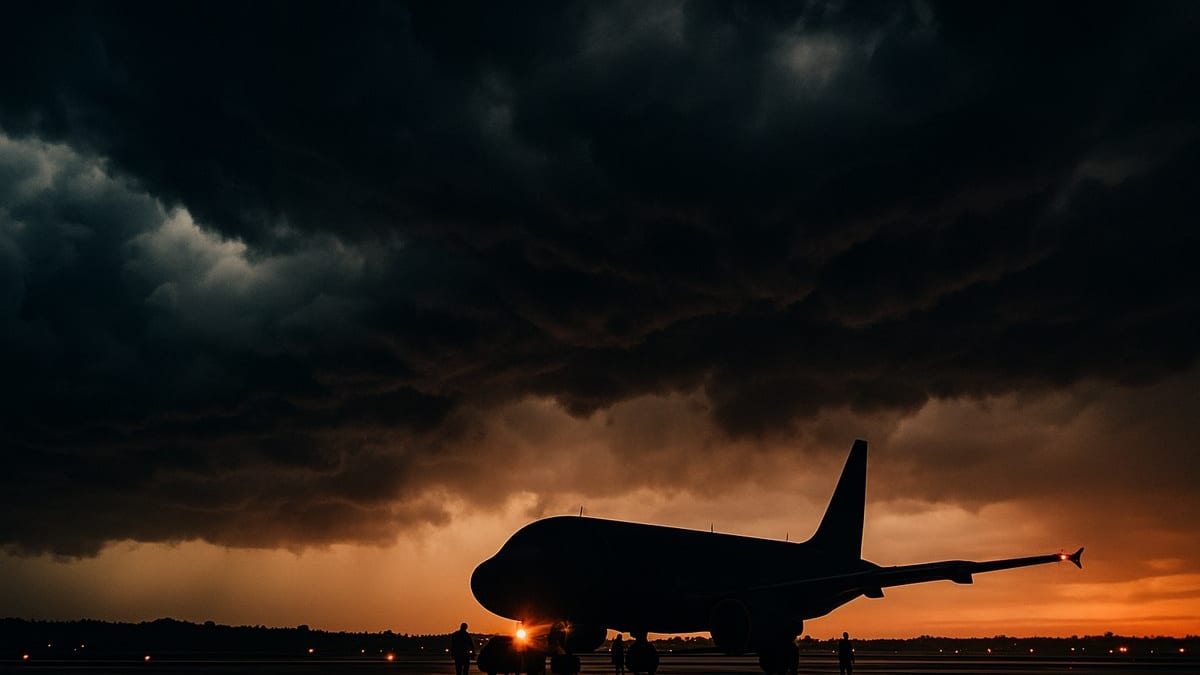
Regulator Flags Higher Disruption Risk As Rains Return
Recent public statements from senior figures at the Nigerian Civil Aviation Authority indicate that disruption levels, which eased after the 2025 festive travel peak, are expected to rise again as heavier rains and low visibility conditions return across much of the country in the coming weeks. Reports describe officials pointing to the seasonal shift as a key factor that could once more test airline schedules and airport operations.
The warning comes as the domestic aviation market continues to recover capacity and add aircraft, a trend that Nigerian media coverage suggests may help reduce the scale of disruptions compared with recent years. However, observers note that additional aircraft cannot fully offset the operational challenges posed by intense rainfall, thunderstorms and temporary airfield closures as the wet season strengthens.
Meteorological outlooks for 2025 published by state and federal agencies already signal above normal rainfall for parts of southern Nigeria, including Lagos and neighboring states, with the rainy season anticipated to last from late March into early December in some areas. Local forecasts highlight the potential for flash flooding, strong winds and occasional poor visibility, all of which are known to trigger delays, diversions and missed connections for passengers.
For travelers, the combination of seasonal weather and a still-fragile aviation system means even well-planned itineraries may be vulnerable to same day changes. Analysts following the sector say this reinforces the importance of building extra time into travel plans and monitoring flight status closely, particularly for trips that involve onward international connections.
How Rainy Season Weather Disrupts Flight Operations
Nigeria’s wet season typically brings intense downpours, thunderstorms and low cloud cover that can quickly reduce visibility around major airports. Aviation safety guidance publicly available from Nigerian regulators and meteorological agencies explains that when visibility falls below prescribed operating minima, takeoffs and landings may be suspended until conditions improve, causing cascading delays across an airline’s network.
Heavy rain can also affect braking performance on runways and taxiways, requiring longer separation between aircraft or temporary closures while water is cleared. Historical advisories to pilots and operators in Nigeria describe scenarios where poor visibility from haze, dust or storms has forced diversions to alternate airports or the outright cancellation of services when safe operations cannot be assured.
These conditions are especially disruptive at busy hubs such as Lagos and Abuja, where high traffic volumes leave little slack in the daily schedule. When a morning weather event forces cancellations or extended holding patterns, airlines can struggle to re-position aircraft and crew for later flights, often leading to knock on delays that extend late into the evening and impact travelers across the country.
Industry commentary in Nigerian business and aviation outlets also points to infrastructure constraints as a compounding factor. Limited gate space, crowded terminals and the reliance on tight aircraft utilization patterns mean that once operations fall behind, it can be difficult for carriers to recover their schedules until demand eases or weather conditions stabilize.
What Nigerian Passengers Are Entitled To During Disruptions
The Nigeria Civil Aviation Authority maintains a set of consumer protection rules that outline what assistance and compensation passengers can expect when flights are delayed, cancelled or significantly rescheduled. Publicly available guidance from the regulator explains that on domestic routes, travelers are entitled to refreshments after delays reach two hours, with additional rights including reimbursement of ticket value when delays extend beyond three hours in some circumstances.
For international flights, the same framework sets out thresholds at which airlines should provide meals, communication support and, in longer disruption scenarios, hotel accommodation and airport transfers. The specific entitlements vary with the length of the delay and the type of disruption, but Nigerian consumer advisories emphasize that passengers should first seek resolution directly from their airline before escalating unresolved complaints to the regulator’s consumer protection channels.
Reports on the implementation of these rules indicate that the authority has in recent months renewed its focus on enforcing compensation provisions, including penalties for carriers that fail to meet obligations on issues such as mishandled luggage. Travel industry observers view this enforcement push as part of a broader effort to strengthen passenger rights ahead of periods when weather related disruptions are more likely.
Travelers are encouraged by consumer advocates and aviation commentators to keep detailed records when disruptions occur, including boarding passes, receipts and written communication with airline staff. Such documentation can be important if passengers later seek refunds, vouchers or formal redress under the national regulations.
Practical Planning Tips For Rainy Season Travel
With Nigerian forecasts pointing to prolonged and at times intense rainfall across key travel corridors, trip planners are increasingly urging passengers to factor weather volatility into their decisions. Travel advisories from local experts and frequent flyer communities commonly recommend avoiding tight connections, particularly when flying from regional airports into Lagos or Abuja for same day onward international departures.
Scheduling flexibility can be especially valuable during the heart of the rainy season, when afternoon thunderstorms are more frequent. Where possible, passengers may benefit from choosing early morning departures, which are statistically less exposed to same day knock on delays, and allowing generous layover times between connecting flights.
Insurance specialists quoted in regional business coverage also highlight the potential benefits of comprehensive travel insurance that includes trip interruption and missed connection coverage. While such policies do not prevent delays, they can help offset additional costs from overnight stays, rebooked flights and lost prepaid arrangements if weather conditions severely disrupt a journey.
For domestic travelers, industry commentary suggests paying close attention to airline track records on punctuality and customer support during previous rainy seasons. While all carriers are constrained by the same weather systems, differences in fleet size, spare aircraft availability and operational resilience can influence how quickly individual airlines recover from a day of severe storms.
Outlook For Nigeria’s Aviation Sector This Wet Season
Despite the warning of fresh disruption risks, public comments from aviation leaders in Nigeria point to cautious optimism that overall reliability could improve through 2026 as additional aircraft enter service and regulators step up oversight of consumer protection rules. Sector analyses in Nigerian media describe new aircraft acquisition deals and capacity additions that may give airlines more flexibility to absorb weather driven schedule shocks.
At the same time, economic pressures, high operating costs and infrastructure limitations remain persistent challenges. Business reports note that elevated airfares, fuel costs and foreign exchange constraints continue to weigh on airline finances, limiting the scope for large scale investments in redundancy or new technology that could mitigate weather impacts.
For now, the message to travelers is to expect a rainy season marked by periods of smooth operations interrupted by bursts of weather related disruption, particularly on peak travel days and routes. By understanding both the regulatory protections in place and the practical realities of airline scheduling in severe weather, Nigerian travelers can better prepare for the months ahead and make more informed choices about when and how they fly.