

More news on this day
Nigerian air travelers are being urged to brace for longer journey times and possible schedule upheavals as the rainy season intensifies, with aviation regulators spotlighting thunderstorms, low visibility and saturated runways as key drivers of flight delays that could persist through December.
Get the latest news straight to your inbox!
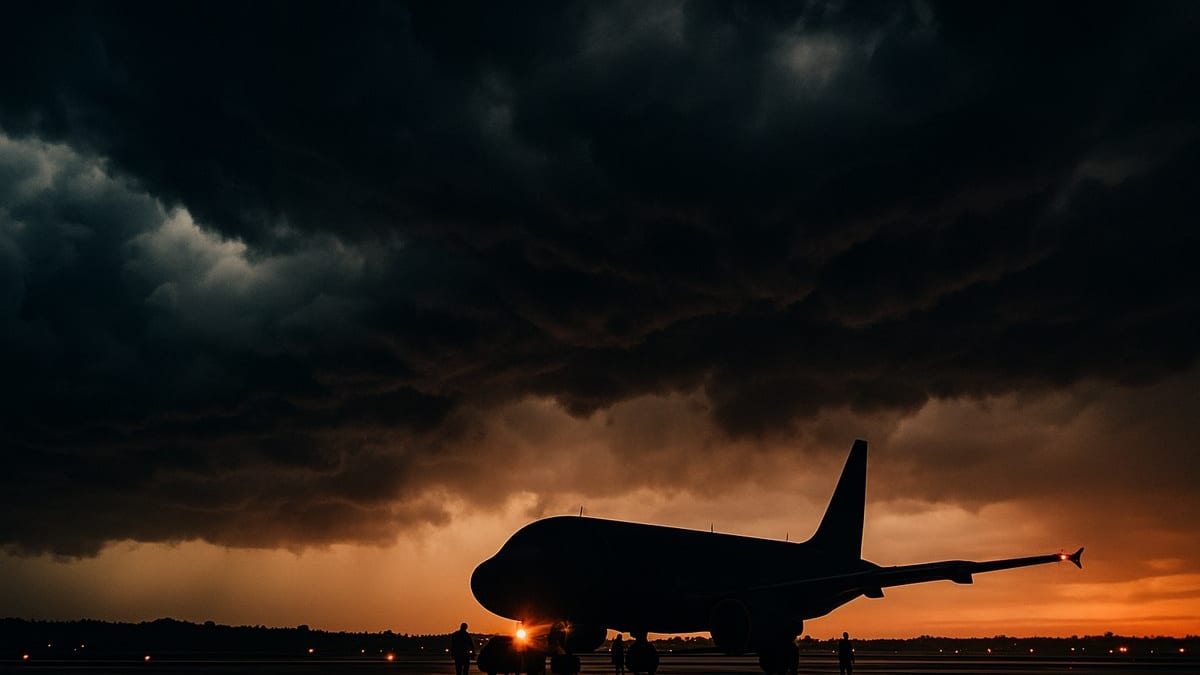
Regulator Flags Weather As Growing Cause Of Disruptions
Publicly available information from the Nigeria Civil Aviation Authority shows that weather is now one of the most consistent triggers of disruption across the country’s increasingly busy air network. In recent seasons, airlines have reported thousands of delays in just a few months, with regulators linking a significant share of these to adverse conditions such as heavy rain, thunderstorms and seasonal haze.
During peak travel months, including the end of the year, reports indicate that as many as half of scheduled services on some domestic routes have departed behind schedule. Industry briefings and consumer-protection updates attribute much of this pattern to the interaction of poor weather with already stretched infrastructure and tight aircraft turnaround times.
Recent coverage of disrupted services into cities such as Lagos, Abuja and Port Harcourt has highlighted repeated episodes in which storms around busy hubs triggered rolling delays across airline networks. According to published statistics on Nigerian flight operations, the regulator has responded in recent years by intensifying oversight of delay reporting and enforcement of passenger rights when disruptions occur.
Rainy Season Outlook Points To Prolonged Wet Conditions
The Nigerian Meteorological Agency’s latest seasonal climate predictions indicate that many southern and central states can expect an extended period of heavy rainfall in 2025, with some coastal areas forecast to see rain on well over 200 days of the year. For aviation, these conditions translate into a higher probability of low cloud, thunderstorms and standing water on runways across the core June to September rainy season, with lingering storms in October and November.
Forecast documents aimed at the aviation sector explicitly list low visibility, turbulent conditions and waterlogged airfields as potential hazards, warning that these can lead directly to delayed departures, extended holding, diversions and cancellations. The guidance emphasizes that short, sharp convective storms common in West African monsoon patterns can force temporary closures of airport ramps and airspace, even on days that otherwise appear suitable for flying.
In previous years, rain-related flooding around key airports, including access roads and terminal forecourts, has also hampered the ability of passengers and staff to reach facilities on time. Public reports from airport operators describe occasions where heavy downpours coincided with peak departure banks, compounding congestion and contributing to missed connections on both domestic and regional services.
Thunderstorms, Visibility And Safety Protocols Drive Delays
Nigeria’s aviation rules require airlines and airport operators to give priority to safety when severe weather is present. Technical circulars available on the regulator’s website describe how ground operations must pause when electrical storms or strong winds move over an airfield, closing ramps to baggage loading, fueling and boarding until lightning risk has passed.
Similarly, instrument-approach procedures and minimum visibility requirements mean that aircraft cannot land or take off once cloud bases or runway visual ranges fall below prescribed thresholds. In practice, this can result in aircraft diverting to alternates or entering holding patterns until conditions improve, echoing patterns seen in other tropical regions with intense rainy seasons.
Published industry statistics show that these safety-driven pauses contribute significantly to delay totals during the monsoon months and into the December travel rush, when residual rains and early-season harmattan haze can overlap. Aviation analysts commenting on recent disruption figures note that, while much public attention focuses on airline scheduling decisions, a substantial proportion of Nigerian delays originates with unavoidable weather and airspace restrictions.
Passenger Rights And Expectations During Weather Disruptions
The Nigeria Civil Aviation (Consumer Protection) Regulations set out what travelers can expect when flights are delayed or cancelled, including in cases linked to adverse weather. Regulatory summaries indicate that, after certain delay thresholds, passengers on domestic flights become entitled to refreshments, communication, rebooking or refunds, while international travelers may qualify for meals, accommodation and ground transport in prolonged disruption scenarios.
Recent media coverage of enforcement efforts describes the regulator taking a firmer approach with airlines that fail to provide mandated care or transparent information when schedules unravel. Officials have highlighted the importance of clear communication at airports and through digital channels, especially during the congested end-of-year period when bad weather and heavy demand frequently coincide.
However, publicly available guidance also notes that compensation rules can differ where a disruption stems primarily from safety-related weather constraints rather than avoidable operational issues. Aviation commentators advise passengers to retain boarding passes, receipts and any written notices from airlines to support later claims or complaints if minimum service levels appear not to have been met.
Advice For Travelers Planning Trips Through December
With forecasts pointing to prolonged rainy conditions in many parts of Nigeria, travel planners are encouraging passengers to factor potential delays into itineraries, particularly for journeys involving tight connections or time-sensitive commitments. Guidance shared through local travel advisories suggests allowing extra buffer time between domestic arrivals and onward international departures out of Lagos or Abuja, where congestion is often most acute.
Travel-industry commentary also recommends early-morning departures where possible, as afternoon and evening thunderstorms tend to trigger the most cascading disruptions once aircraft and crews are already out of position. Passengers are further urged to monitor airline apps and airport information channels closely on the day of travel, since rapidly developing storms can alter conditions within minutes.
For those flying during the heavily booked December period, when residual rains in the south can intersect with low visibility and haze elsewhere, analysts note that flexible tickets and comprehensive travel insurance may offer added protection. As the rainy season deepens, publicly available aviation forecasts and regulatory updates indicate that a cautious approach from both airlines and passengers will be essential to navigating a period of elevated disruption risk through the end of the year.