

More news on this day
North Carolina’s Department of Transportation is expanding ferry service along key coastal routes as the spring travel season gathers pace, increasing departures and capacity for visitors heading to beaches and barrier islands.
Get the latest news straight to your inbox!
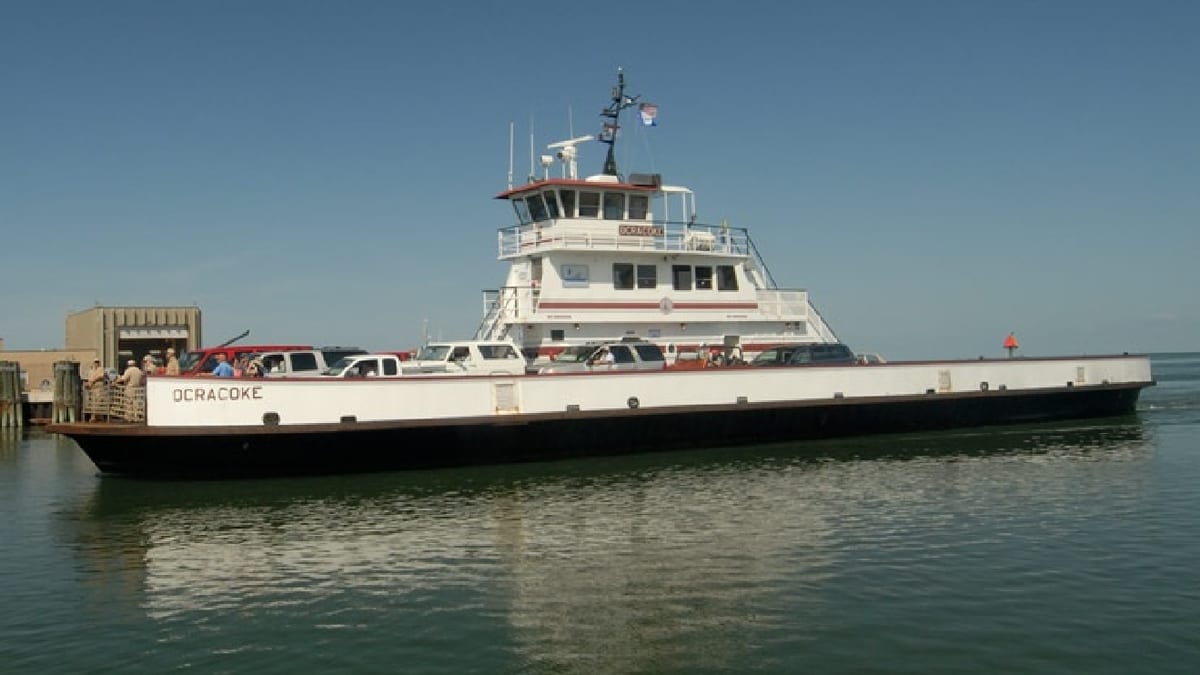
Image by wcti12.com
More trips on core Outer Banks and Pamlico Sound routes
Publicly available NCDOT documents for the 2026 season show expanded schedules on several of the system’s busiest routes, including the Hatteras to Ocracoke run and the longer Pamlico Sound crossings that link Ocracoke with Cedar Island and Swan Quarter. The changes take effect in early spring, ahead of the traditional summer peak, and are intended to give travelers more flexibility in planning coastal trips.
Service between Hatteras and Ocracoke, a heavily used gateway to the Outer Banks, has been ramped up from late winter levels to more frequent spring sailings. A regional bulletin from the Peanut Belt Rural Planning Organization reports that NCDOT increased daily departures on the Hatteras route beginning March 4, with additional trips scheduled through mid April before a full summer timetable begins on April 15.
The longer Pamlico Sound crossings are also seeing more capacity. Local coverage from coastal news outlets in 2025 highlighted the addition of extra round trips between Cedar Island, Swan Quarter and Ocracoke as demand grew, and the 2026 systemwide schedule indicates that pattern is continuing into the current spring season. Travelers now have a broader spread of morning and afternoon departures aimed at reducing bottlenecks on busy weekends.
Schedule tables published by the state ferry division stress that all sailings remain subject to weather or mechanical disruption, but the baseline number of crossings on the core Outer Banks and Sound routes is higher than in late winter. For visitors bound for Ocracoke and nearby destinations, the net effect is more options in both directions during the shoulder months of March and April.
Newer vessels and shipyard planning bolster capacity
Alongside expanded timetables, additional ferry capacity is coming online through recently delivered vessels and shipyard planning that keeps more boats in service during the travel season. Regional television coverage in late 2024 reported the christening of two new ferries in Craven County for the NCDOT fleet, part of a long term effort to modernize equipment that serves coastal communities.
Planning documents released by the ferry division outline a projected shipyard schedule through the end of the decade, with no major dry dock periods listed for 2026 that would sideline multiple large vessels at once. That approach allows the state to maintain a broader active fleet for spring and summer while still meeting federal inspection requirements and long range maintenance needs.
Statewide transportation improvement plans finalized for the 2026 to 2035 period also include funding to replace older sound class ferries, including the vessel that operates on the Cedar Island to Ocracoke route. While that replacement is a longer horizon project, it reflects a continued emphasis on keeping key tourism and local access routes reliable as coastal visitation grows.
The combination of newer vessels and a staggered maintenance schedule means the spring expansion is not just about more sailings on paper. Capacity increases are supported by a fleet that is better able to absorb unexpected outages, which can be critical during holiday weekends and the first sustained spell of warm weather when demand can spike.
Responding to rising demand after storms and highway disruptions
The move to expand ferry service comes as North Carolina continues to manage wider transportation pressures, from hurricane recovery to ongoing work on mountain interstates. NCDOT reports on rebuilding after Hurricane Helene have emphasized the strain that storm damage placed on both coastal and inland routes, underscoring the ferry system’s role as a resilient link for island communities.
Highway improvement work on routes such as Interstate 40 and Interstate 26 has at times funneled more traffic onto alternate corridors and coastal approaches, especially during major construction phases. In that context, additional ferry departures can help absorb some of the seasonal surge and offer drivers a way to avoid long overland detours to island destinations.
Travel industry observers in the state note that North Carolina’s beaches and Outer Banks have retained strong appeal in recent years, benefiting from a mix of drive in tourism and in state visits. Expanded spring ferry schedules are aligned with that trend, making it easier for weekend visitors from major metros to reach coastal towns without facing mid summer level congestion on the earliest warm weather trips.
By moving to a busier schedule several weeks before Memorial Day, the ferry system is effectively stretching the traditional season. That shift can spread demand more evenly, benefiting both transportation operations and local businesses that depend on a steady flow of visitors rather than just a sharp midsummer peak.
What spring travelers can expect on board and at terminals
For travelers, the most visible change this spring is the broader selection of crossing times on the main coastal routes. NCDOT’s 2026 schedule indicates early morning departures aimed at day trippers, midday sailings for those connecting with lodging check in times, and later afternoon returns that fit weekend getaways. The increased frequency on the Hatteras and Ocracoke route in particular is designed to cut wait times that can build quickly on clear spring Saturdays.
The ferry division continues to recommend that drivers reserve spots when possible on longer Pamlico Sound runs, especially on holiday weekends and school vacation periods. Published guidance notes that walk up availability can tighten as vehicles fill up earlier in the day, even with more round trips on the schedule. For the shorter free routes, travelers are encouraged to arrive ahead of departure windows and be prepared for weather related adjustments.
Terminals are also entering the season with more predictability about vessel availability, thanks in part to the shipyard planning that avoids clustering major repairs. That helps reduce last minute cancellations or single vessel operations on routes that normally run multiple boats in rotation, a problem that has periodically affected service on some state run ferries in past years.
On board, riders can expect the same basic vehicle deck and passenger lounge layouts, with newer ferries offering updated interiors and improved accessibility features. Public information from the state highlights continued investment in safety equipment and crew training, elements that are not as visible as an expanded schedule but that underpin the system’s ability to carry larger numbers of spring travelers.
Economic lift for coastal towns at the edge of peak season
Tourism advocates along the North Carolina coast often point to the ferry system as a lifeline for local economies, especially in communities that sit off the main highway grid. Earlier and more frequent sailings can lengthen the window in which seasonal businesses stay open, from small inns and rental cottages to restaurants and outfitters that cater to anglers, paddlers and beachgoers.
Local reporting from previous years has linked changes in ferry timetables directly to visitor numbers on Ocracoke and other island destinations. When service is curtailed, businesses can see fewer day trippers and shorter stays. Conversely, an early move to expanded spring schedules has tended to coincide with stronger shoulder season activity, as visitors feel more confident that they will be able to secure a convenient crossing.
With the 2026 spring expansion, coastal communities are preparing for a busier April and May, not just a crowded July and August. Some lodging operators have already begun promoting spring packages and events tied to easier access by water, while local governments continue coordinating with state transportation planners on traffic management near terminals during peak weekends.
For travelers, the message is that the traditional start of the season on the North Carolina coast is arriving earlier and with more options than in years past. With expanded ferry service in place ahead of the busiest months, the route to the beach is set to be smoother for those willing to plan ahead and take advantage of the additional sailings now on the schedule.