

More news on this day
Nearly 3,000 flights across Asia have been disrupted in recent days as ripple effects from the conflict in the Middle East force airlines to cancel services, reroute aircraft and navigate longer, more expensive paths between Europe and the Asia Pacific.
Get the latest news straight to your inbox!
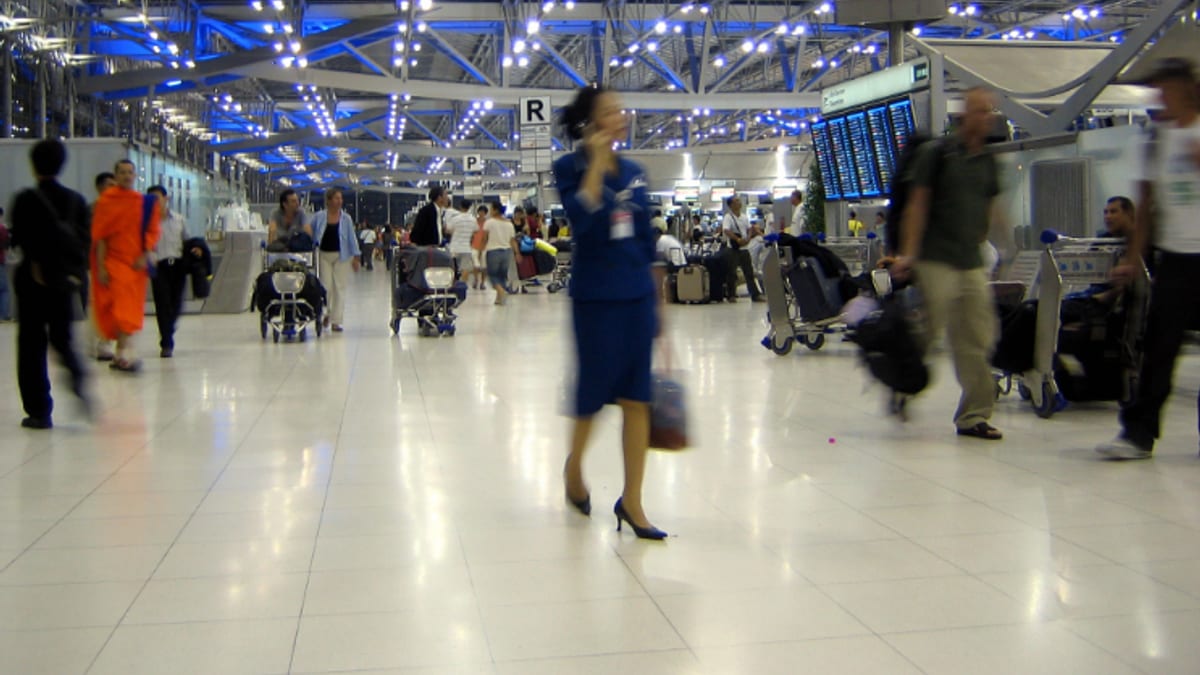
Image by Scandasia
Conflict-Driven Airspace Closures Ripple Across Asia
Publicly available aviation data and regional media coverage indicate that widespread airspace restrictions over parts of the Middle East have triggered an extensive reshaping of long-haul routes linking Europe with South and East Asia. Flights that would normally pass over the Gulf and surrounding airspace are instead being diverted through alternative corridors, adding significant time and cost to journeys.
Reports from flight tracking platforms and regional newspapers describe thousands of flights canceled or heavily delayed since late February, with daily cancellations across the broader region frequently measured in the low thousands. A substantial share of those disrupted flights either originate in Asia, terminate there, or use major Asian hubs for onward connections, pushing the cumulative impact on Asian operations toward the 3,000 mark in recent days.
The pattern mirrors earlier shock events in global aviation, but the geographic focus on Middle Eastern airspace means Asia is bearing a disproportionate burden. Airlines that rely on Gulf hubs to connect Asian cities with Europe and North America have been forced to trim schedules, consolidate services and in some cases suspend routes altogether.
Industry commentary suggests that planners expect further volatility as military activity and airspace advisories continue to evolve, making it difficult for carriers to publish stable timetables or guarantee connections across multiple regions.
Asian Hubs Absorb Cancellations, Delays and Rerouting
From South Asia to Northeast Asia, major airports are absorbing the shock of cancellations and diversions. Indian carriers that operate dense networks to the Gulf have cut and consolidated services, while also mounting additional flights on alternative routings to repatriate stranded travelers and accommodate passengers whose original connections were broken by airspace closures.
Southeast Asian hubs, including Bangkok, Singapore and Manila, are reporting heavier-than-usual long-haul traffic as airlines string together new routings that bypass traditional Gulf stopovers. According to recent travel-industry coverage, carriers from Europe and North America have boosted capacity into key Asian gateways and onward into the region, effectively recreating some of the lost connectivity previously provided via Middle Eastern hubs.
In Northeast Asia, major airports in Tokyo and Seoul have become even more important waypoints between Europe and the wider Asia Pacific. Airlines based in Japan and South Korea are adjusting schedules and, in some cases, deploying larger aircraft on routes seeing diverted demand. While these hubs are benefiting from additional transit traffic, the surge also strains airport resources and complicates slot management during peak periods.
Across many of these airports, ground-handling teams report longer queues at passport control and transfer desks, as well as increased demand for last-minute ticketing changes, hotel vouchers and meal support for travelers whose original itineraries have collapsed.
Stranded Travelers, Extended Journeys and Rising Costs
Travelers across Asia are experiencing a wide spectrum of disruption, from modest delays to sudden cancellations and multi-day marooning in transit hubs. Media reports from South and Southeast Asia describe passengers sleeping in terminals while waiting for scarce seats on rerouted flights, and others accepting much longer itineraries that involve multiple connections and unscheduled overnight stops.
Journey times between Europe and parts of Asia have lengthened as aircraft detour around restricted airspace, with some routes requiring technical refueling stops or additional crew changes to comply with duty-time rules. These operational workarounds add cost for airlines and inconvenience for passengers, including missed onward connections and tighter capacity on remaining services.
Airlines across the region are responding with a mix of schedule cuts, ad hoc “rescue” flights and flexible policies. Several carriers with large Asian customer bases have announced temporary waiver programs, allowing free changes or refunds for itineraries touching affected regions. Low-cost and full-service airlines alike are publicizing revised conditions on their websites and apps, emphasizing that passengers should monitor flight status closely and update contact information to receive alerts.
Travel agencies and consumer advocates are also reminding passengers that, in many jurisdictions, cancellations entitle travelers to refunds rather than only vouchers, and that rebooking through an airline’s official channels generally offers more reliable protection than relying on third-party intermediaries during a fast-moving disruption.
Airlines Confront Operational and Financial Strain
For Asia’s airlines, the disruption arrives at a delicate moment. Many carriers are still rebuilding balance sheets after the pandemic period and had been counting on strong 2026 demand to solidify their recovery. Instead, geopolitical tensions have added new layers of complexity and cost to operating long-haul networks, especially those that rely on traffic flows through the Middle East.
Analysts quoted in regional business coverage note that rerouting around closed airspace increases fuel burn, extends aircraft utilization times and consumes additional crew hours, all of which squeeze profit margins. Airlines are also facing higher jet fuel prices linked to concerns about energy supplies, which further compress yield on already disrupted routes.
Some flag carriers and large private airlines in Asia are responding by prioritizing high-yield markets, consolidating low-demand frequencies and temporarily suspending marginal routes where detours make operations uneconomical. Others are exploring short-term wet leases or aircraft swaps to ensure that the most in-demand corridors, such as South Asia to Europe and Northeast Asia to Europe, retain adequate capacity.
Equity-market data compiled by international financial media show that aviation and travel stocks across Asia have tracked global declines in the sector as investors weigh the impact of an extended period of disruption. While domestic and short-haul regional travel within Asia remains relatively resilient, prolonged uncertainty over long-haul connectivity could slow the sector’s overall recovery trajectory.
Travelers Weigh Options as Peak Season Approaches
The disruptions are unfolding just as Asia’s outbound travel market prepares for a busy spring and summer season, when holiday travel traditionally surges from major source markets such as India, China, South Korea and Southeast Asia. Tour operators and online travel platforms are already reporting higher levels of inquiries about rerouting options, refund rules and insurance coverage related to geopolitical risk.
Industry observers suggest that some travelers are bringing forward decisions to switch from itineraries transiting the Middle East to routings via Europe, Central Asia or Northeast Asian hubs. Others are delaying bookings altogether, waiting to see whether airspace restrictions ease or become a more entrenched feature of the global route map.
Tourism-dependent economies that rely heavily on Asian visitors are closely watching booking patterns. Early signs from destinations around the eastern Mediterranean and parts of the Gulf indicate softer demand and a spike in cancellations linked directly to concerns over airspace safety and route stability, adding a further layer of economic risk beyond the airlines themselves.
For now, industry guidance consistently emphasizes flexibility and vigilance. Travelers across Asia are being urged by airlines, airports and travel intermediaries to check flight status repeatedly in the days and hours before departure, consider longer connection times, and remain prepared for itinerary changes as the situation in the Middle East continues to reshape aviation across the region.