

More news on this day
Nepal has joined a diverse roster of destinations including Greece, Honduras, Sri Lanka, Thailand and Georgia at this year’s International Mediterranean Tourism Market (IMTM) in Tel Aviv, as Israel uses its flagship travel fair to spotlight tourism technology, accessibility initiatives and long-term destination development plans.
Get the latest news straight to your inbox!
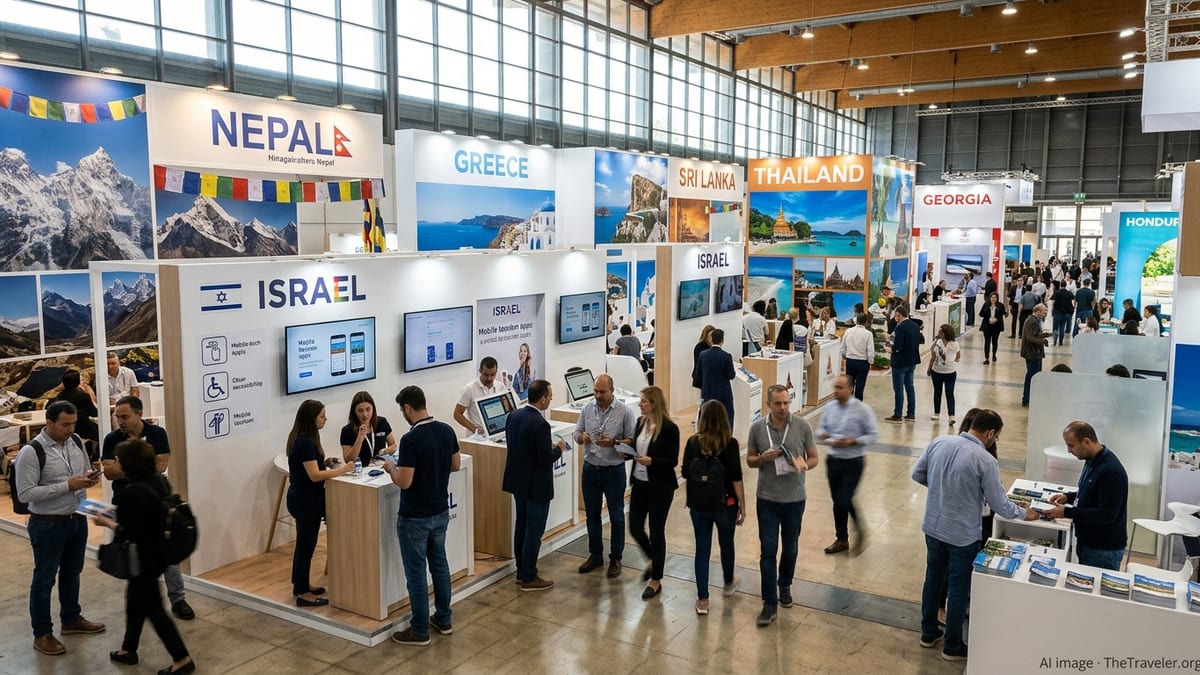
IMTM Gathers a Wider Global Mix in Tel Aviv
Held at Expo Tel Aviv in early February, IMTM 2026 has reinforced its position as Israel’s main tourism marketplace and a key meeting point for Mediterranean and long-haul destinations. Organizers describe the fair as a hub where the Israeli market connects with global suppliers, airlines, national tourism boards and travel technology firms, with the 2026 edition framed around recovery, innovation and sustainable growth.
Publicly available information on the exhibitor list indicates that Nepal’s tourism authorities are participating alongside established Mediterranean and European destinations such as Greece and Georgia, as well as long-haul markets including Sri Lanka, Thailand and Honduras. The growing presence of Asian and Latin American destinations reflects a broader rebalancing in global tourism flows, as emerging markets seek a stronger foothold in the Israeli outbound segment and in regional partnerships formed at the event.
Reports from industry media covering IMTM 2026 describe busy aisles and a notable increase in international delegations compared with recent editions, underscoring the fair’s role as a barometer for confidence in regional tourism. With more countries returning to in-person promotion, the exhibition floor has become a showcase for both classic beach and heritage destinations and newer adventure and wellness offerings aimed at higher-yield travelers.
Nepal Positions Nature, Culture and Adventure for Israeli and Regional Travelers
Nepal’s participation at IMTM comes as the Himalayan nation works to diversify its visitor base beyond traditional long-stay trekkers from Europe and North America. Tourism data and strategy documents released in recent years highlight a dual focus on high-value trekking in regions such as Everest and Annapurna and on cultural circuits built around Kathmandu Valley heritage sites, Lumbini and emerging adventure hubs.
By joining Greece, Sri Lanka, Thailand and Georgia on the exhibition floor, Nepal is aligning itself with destinations that emphasize authentic experiences, outdoor activities and multi-country itineraries. Trade coverage suggests that tour operators are increasingly packaging Nepal with other Asian or Middle Eastern stops, using Tel Aviv as a convenient gateway for regional connections. Participation at IMTM offers Nepal a direct platform to court Israeli hikers, faith-based travelers with an interest in Buddhist heritage and regional expatriates based in Israel.
Nepal’s presence also taps into a wider trend toward nature-based and wellness tourism highlighted across the fair. Destination marketing materials referenced in exhibition previews emphasize soft adventure, community-based trekking and initiatives to extend stays beyond the traditional high season. Industry observers note that these themes resonate strongly in Mediterranean markets such as Greece and Georgia, positioning Nepal as part of a broader shift from volume-driven tourism toward longer, more immersive trips.
Israel Uses IMTM to Showcase Tourism Technology and Accessibility
Alongside the expanding destination roster, Israel is using IMTM 2026 to underscore its ambitions in travel technology and inclusive tourism. Trade coverage of the event points to a visible cluster of start-ups and established firms focused on itinerary personalization, artificial intelligence tools for trip planning, frictionless payments and real-time crowd management for popular sites.
Reports on recent Israeli tourism initiatives describe a growing ecosystem of apps and platforms that help visitors plan pilgrimages, nature trips and urban cultural routes, often combining mapping tools with multimedia storytelling. At IMTM these solutions are being promoted to foreign tourism boards and tour operators as white-label or partnership-ready products, aiming to turn Israel’s digital expertise into exportable services that can be integrated into the visitor journeys of countries such as Nepal, Sri Lanka and Thailand.
Accessibility is emerging as a parallel pillar of this technology push. International compendiums of good practice in accessible tourism highlight Israeli projects that focus on inclusive information design, adaptive equipment services and digital tools that help travelers with disabilities navigate accommodations, attractions and transportation. Exhibitor information and program notes for IMTM 2026 indicate that these topics are being framed not only as social priorities but also as competitive differentiators that can boost visit length, satisfaction and repeat travel.
Destination Development and Recovery Strategies Take Center Stage
IMTM 2026 is also serving as a stage for Israel to communicate its destination development and recovery strategy following a difficult period for inbound tourism. Recent media reports outline forecasts of gradual growth in international arrivals over the next two to three years, supported by infrastructure investments at Ben-Gurion Airport, incentives for hotel construction and funding for public tourism projects in cities and nature areas.
Industry analysis presented around the fair points to a global tourism environment in which Mediterranean destinations such as Greece continue to post solid gains, while Asian markets including Thailand and Sri Lanka rebuild capacity and air connectivity. By convening representatives from these destinations alongside newer participants such as Nepal and Honduras, IMTM offers a forum to compare policy approaches on issues ranging from overtourism management to product diversification beyond traditional sun-and-sea packages.
Destination development themes visible in public programs and side events include the expansion of national park infrastructure, heritage site conservation and the integration of sustainability metrics into tourism planning. Israel’s promotion of its protected landscapes and outdoor recreation areas at IMTM sits in parallel with Nepal’s efforts to manage sensitive mountain environments and with Georgia’s and Sri Lanka’s interest in balancing rural development with environmental protection.
New Partnerships and Regional Connectivity on the Horizon
The broader mix of exhibitors at IMTM 2026 points toward a growing focus on cross-border and multi-destination travel, particularly for long-haul visitors seeking to combine the Eastern Mediterranean with South or Southeast Asia. Travel trade coverage suggests that tour operators are exploring packages that link Israel’s religious and historical sites with adventure and wellness stays in Nepal or beach and cultural experiences in Thailand and Sri Lanka.
For smaller or emerging players such as Honduras and Georgia, presence beside high-profile Mediterranean and Asian destinations offers a chance to tap into established distribution networks and to position themselves as add-on stops for experienced travelers. Discussions at the fair, as reflected in industry reporting, frequently center on air connectivity, code-share agreements and digital distribution channels, which together determine how easily travelers can stitch together multi-country journeys.
With technology, accessibility and destination development all prominent in the 2026 edition, IMTM is signaling how Israel and its partners, from Greece to Nepal, aim to compete in a market defined less by raw arrival numbers and more by resilience, product diversity and traveler experience. As the global tourism sector targets sustainable growth in the coming years, the alliances and innovations showcased in Tel Aviv are likely to shape itineraries and investment decisions well beyond the region.