

More news on this day
As Europe looks ahead to the 2025–2026 cold season, the Netherlands is repositioning winter as a time for bold escapes, pairing cutting-edge urban attractions with coastal retreats, indoor snow adventures and quieter countryside corners that promise more than just frosted postcard views.
Get the latest news straight to your inbox!
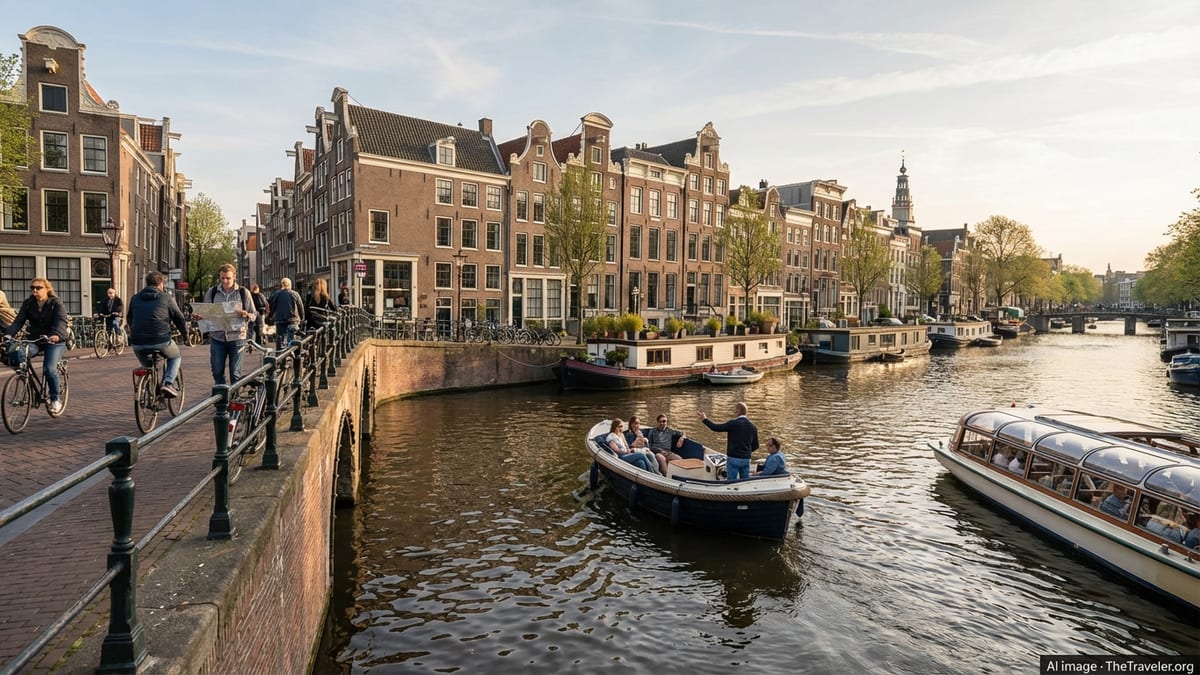
Amsterdam Turns Winter Into a Festival Stage
Amsterdam is set to remain the country’s headline act for winter travel, with a cluster of large-scale events transforming the historic canal belt and museum district into an extended holiday playground. Public information from municipal and tourism channels highlights the Amsterdam Light Festival, scheduled from late November 2025 to mid-January 2026, as a core draw, with illuminated artworks lining key waterways and night-time canal cruises marketed as a flagship experience for visitors.
On land, open-air ice rinks at Museumplein and Leidseplein are expected to return as seasonal centrepieces, framed by the Rijksmuseum and central shopping streets. Recent winter guides point to ICE*Amsterdam behind the Rijksmuseum and the ice rink at Leidseplein as spots where travelers can combine skating with heated terraces, Dutch snacks and views of some of the city’s most photographed landmarks.
Indoors, the Amsterdam Winter Paradise at the RAI convention centre is being promoted as one of the largest winter-themed festivals in the country. Current event listings describe a mix of covered and outdoor ice rinks, snow slides, Ferris wheel rides, light shows, food markets and après-ski themed entertainment, targeting families, groups and short-break visitors seeking a concentrated “winter village” experience under one roof.
Alongside these headline attractions, travel planners continue to spotlight Amsterdam’s museum network as a weatherproof backbone for winter itineraries, with city cards and bundled tickets encouraging visitors to pivot between canal cruises, major galleries and temporary exhibitions when temperatures drop or rain moves in.
Indoor Snow, Speed Skating Arenas and Active Escapes
For travelers seeking a more athletic winter escape, Dutch operators are emphasizing the country’s growing network of indoor snow venues and ice arenas. SnowWorld locations in the Netherlands and Belgium are promoting year-round downhill skiing and snowboarding on artificial slopes, with recent programming focused on multi-day camps, corporate packages and evening sessions that simulate alpine conditions without the need for mountain travel.
Speed skating remains another hallmark winter experience, even for spectators. International sporting calendars show that the Thialf ice arena in Heerenveen will host a key stop on the 2025–2026 ISU Speed Skating World Cup, positioning the northern province of Friesland as a focal point for elite competition and fan travel. Packages built around race weekends typically combine arena visits with regional sightseeing, including canal towns and local culinary specialties.
While climate patterns mean natural-ice skating on canals is less predictable than in past decades, tourism content continues to reference the Dutch skating tradition as part of the country’s winter identity. When conditions allow, temporary rinks and frozen waterways can quickly become informal gathering points, though travel advisories regularly emphasize safety and the importance of up-to-date local guidance before venturing onto natural ice.
Even in milder weather, infrastructure for cycling and walking allows active travelers to maintain outdoor routines. Guides published for the colder months highlight urban running routes, forested parks and dune paths as alternatives when snow is scarce but crisp, dry days invite exploration.
Coastal Wellness and Spa Retreats on the North Sea
Beyond the capital, Dutch coastal towns are increasingly promoting winter as a season for restorative getaways. Properties along the North Sea in areas such as Noordwijk, Camperduin and other resort strips are marketing “bleisure” packages that combine sea-view suites with spa access, fine dining and dune walks, aligning with broader European trends toward wellness-focused short breaks.
Hotel marketing materials and regional tourism campaigns emphasise the contrast between bracing beach walks and warm indoor comforts, with saunas, heated pools and wellness centres forming the core of off-season offerings. Some coastal hotels advertise multi-day programmes that blend meetings or remote work facilities with massage treatments, yoga sessions and guided excursions into nearby nature reserves.
Smaller seaside communities, including resorts near The Hague and in Zeeland, are also using the quieter winter period to position themselves as alternatives to busier city centres. Publicly available information on local initiatives points to upgraded promenades, dune trails and beachfront dining that stay open year-round, allowing guests to experience stormy skies and dramatic winter light over the North Sea with fewer crowds.
These coastal experiences are often paired with easy rail or road access to major hubs such as Amsterdam, Rotterdam and Utrecht, enabling visitors to combine spa-focused stays with day trips to museums, theatres and shopping districts inland.
Island Dunes, National Parks and Quiet Countryside Corners
For travelers looking to unlock lesser-known corners of the Netherlands during winter, the country’s islands and protected landscapes are emerging as compelling options. On Texel, the Duinen van Texel National Park covers extensive dune systems and coastal plains, and is promoted year-round for walking and bird-watching. Winter visitors can expect windswept beaches, low seasonal light and a quieter atmosphere than in peak summer months.
Elsewhere, forest and heathland reserves in provinces such as Gelderland, Drenthe and Brabant support off-season hiking and cycling, with visitor centres and regional tourism boards encouraging day trips from major cities. Even when foliage is sparse, these areas offer a contrasting view of the Netherlands that focuses on big skies, misty fields and village life rather than canals and gabled facades.
Rural accommodations, including converted farmhouses and boutique bed-and-breakfasts, are highlighting fireplaces, local produce and proximity to hiking trails as part of winter marketing campaigns. Public information from local tourism sites suggests that many of these properties now bundle stays with activities such as guided walks, e-bike rentals or visits to nearby castles and historic estates.
For international visitors, these countryside stays are often framed as an add-on to time in Amsterdam or Rotterdam, creating multi-stop itineraries that move from urban lights and festivals to slower-paced landscapes within relatively short travel times.
Planning Ahead for a Changing Winter Season
Recent climate data and national summaries indicate that Dutch winters are becoming more variable, with a mix of stormy periods, cold snaps and milder, wet stretches. Travel advisories recommend building flexibility into itineraries, particularly around early January, a period that has recently seen episodes of severe weather affecting flights and rail operations.
Tourism boards and travel writers are advising visitors to treat the Netherlands as a winter destination defined less by guaranteed snow and more by layered experiences. Recommended packing lists now regularly emphasize waterproof outerwear, insulated footwear and adaptable layers to handle conditions ranging from coastal gales to calm, clear evenings on canal-side terraces.
At the same time, the continued expansion of indoor attractions, spa facilities and cultural programming gives travelers options regardless of the forecast. From light festivals and snow domes to dune walks and thermal pools, the Netherlands is promoting a winter portfolio built on choice, with jaw-dropping adventures, exclusive comforts and under-the-radar locales positioned as ingredients for a bespoke cold-season escape.