

More news on this day
Phu Quoc International Airport is emerging as one of Vietnam’s fastest-growing aviation gateways as Vietnam Airlines joins Korean Air, China Eastern, Qatar Airways and Sun PhuQuoc Airways in ramping up connections from China, South Korea and India ahead of the APEC 2027 summit.
Get the latest news straight to your inbox!
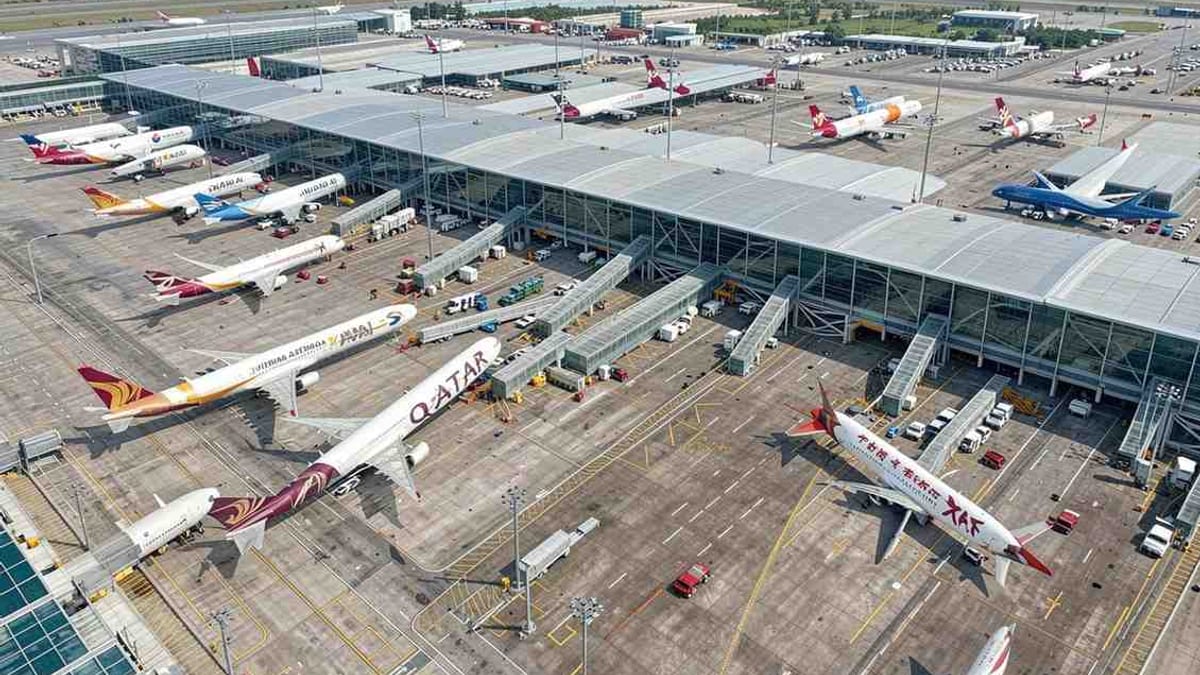
Image by Travel And Tour World
Airport Expansion Meets Surging International Demand
Phu Quoc International Airport has undergone a rapid transformation from a primarily domestic facility to an increasingly international hub. Publicly available information on the airport’s development shows that a major expansion program running through 2030 is underway, with capacity upgrades timed to support rising visitor numbers and the Asia-Pacific Economic Cooperation (APEC) Leaders’ Week in 2027.
Plans detail a two-phase project that will sharply increase passenger handling capabilities by 2027, including expanded aprons, terminal enhancements and improved airfield infrastructure. Reports indicate that these investments are designed to accommodate larger widebody aircraft and more simultaneous international operations, positioning Phu Quoc to handle both tourism growth and high-profile diplomatic traffic.
Tourism analyses describe Phu Quoc as one of Southeast Asia’s fastest-growing island destinations, helped by a favorable visa regime for many nationalities and intensive resort development. Travel industry coverage notes that the island has already appeared on lists of the region’s fastest-growing destinations, and authorities are leaning on air connectivity as the central lever to sustain that trajectory before and after APEC 2027.
The expansion of the airport is closely aligned with a broader set of 21 infrastructure projects around the island that are being accelerated for APEC. Official planning documents and local media reports highlight road upgrades, new urban areas, utilities and a dedicated conference complex, all intended to work in tandem with Phu Quoc’s evolving air hub.
Vietnam Airlines Targets India and Regional Hubs
Vietnam Airlines is playing a visible role in connecting Phu Quoc and Vietnam more broadly to South Asia and Northeast Asia. According to recent network announcements and inflight marketing materials, the flag carrier has opened new routes from Hanoi to Bengaluru and Hyderabad in India in 2025, adding to its existing India network and strengthening two-way tourism flows.
While the new Indian routes focus on Hanoi rather than Phu Quoc directly, industry commentators note that they significantly shorten the journey time for Indian travelers heading to the island via domestic links. Vietnam Airlines continues to operate a dense domestic trunk network into Phu Quoc, which allows for same-day connections from major Indian cities via Hanoi and Ho Chi Minh City, effectively drawing India closer to Phu Quoc’s beaches and resorts.
In parallel, Vietnam Airlines maintains and periodically adjusts services to key Northeast Asian markets such as South Korea and China, which are among Vietnam’s largest sources of international visitors. Public schedules and industry analyses show sustained capacity on Seoul and major Chinese city pairs into the airline’s primary hubs, creating additional one-stop itineraries into Phu Quoc at a time when demand from these markets is rebounding strongly.
Travel market observers suggest that these network decisions reflect a strategic bet on Phu Quoc as a premium leisure extension for travelers visiting Vietnam for business or multi-destination holidays. Increased marketing of beach and resort products across India, China and South Korea is expected to translate into higher through-traffic at Phu Quoc International Airport as APEC 2027 approaches.
Foreign Carriers Deepen Direct Access From China and South Korea
Alongside Vietnam Airlines, a growing roster of foreign airlines is placing Phu Quoc on their route maps. Industry databases and tourism promotion materials highlight China Eastern Airlines as one of the earliest large Chinese carriers to schedule direct services to Phu Quoc, including a planned Beijing to Phu Quoc route with multiple weekly frequencies. These flights are aimed squarely at the booming outbound leisure segment from China.
From South Korea, where interest in Vietnam’s resorts remains high, carriers such as Korean Air and other Korean operators are expanding seasonal and scheduled services to Phu Quoc. Airline route trackers show that new and planned Incheon to Phu Quoc links are being layered on top of existing Vietnam routes, giving Korean travelers more direct access to the island without transiting Hanoi or Ho Chi Minh City.
Qatar Airways, meanwhile, is leveraging its global hub model to channel long-haul visitors into Vietnam with convenient one-stop options onward to Phu Quoc. While its primary Vietnamese gateways remain Hanoi and Ho Chi Minh City, published schedules allow coordinated connections through these cities onto domestic flights to the island, effectively bringing Europe, the Middle East and parts of Africa within a single connection of Phu Quoc.
Tourism analysts argue that this combination of direct leisure-oriented services from Northeast Asia and high-connectivity options via the Gulf is reshaping Phu Quoc’s visitor profile. The island is seeing rising interest from higher-spending segments, including long-stay holidaymakers and participants in meetings, incentives, conferences and exhibitions who may combine APEC-related travel with leisure time.
Sun PhuQuoc Airways Puts the Island’s Name on the Tail
One of the most distinctive developments in the local aviation landscape is the launch of Sun PhuQuoc Airways, an airline created under the umbrella of Vietnam’s Sun Group. According to company disclosures and aviation registry data, Sun PhuQuoc Airways secured its air operator certificate in late 2025 and began selling tickets in October that year.
The carrier is notable for being the first Vietnamese airline named directly after a destination, signaling a strategy focused on promoting Phu Quoc itself. Public information shows that Sun PhuQuoc Airways inaugurated its first international route in early 2026, operating direct flights to Taipei, followed by a scheduled Seoul Incheon service starting in April 2026. These routes feed some of the most dynamic outbound markets in East Asia straight into Phu Quoc.
Industry coverage suggests that the airline’s development is closely coordinated with Sun Group’s extensive resort, entertainment and real estate projects on the island. By integrating air services with on-the-ground tourism assets, Sun PhuQuoc Airways is positioning itself as both a transport provider and a marketing vehicle for the destination, helping to stabilize capacity and pricing during peak APEC-related demand.
Observers note that the entry of a destination-branded carrier also adds competitive pressure on established airlines serving Phu Quoc. This is expected to stimulate promotional fares and package deals across the market, lowering barriers for travelers from China, South Korea, India and beyond who may be considering Phu Quoc for the first time.
APEC 2027 Accelerates Tourism and Connectivity Strategies
The award of APEC 2027 to Phu Quoc has become a defining catalyst for the island’s tourism and aviation strategies. National and local planning documents describe the summit as a historic opportunity to reposition Phu Quoc as a high-end international tourism and conference destination on par with regional competitors such as Phuket and Bali.
Reports from Vietnamese and international media outline an intensive program of infrastructure upgrades timed to APEC, including a new conference center complex, improved public transport links from the airport and enhancements to urban services. The rapid build-out is designed to ensure that Phu Quoc can host economic leaders, delegates and media while also managing a parallel surge in leisure arrivals.
Tourism analysts forecast that visitor numbers from China, South Korea and India will continue to accelerate in the run-up to 2027, driven by rising incomes, pent-up post-pandemic travel demand and the steady rollout of new routes. The combination of Vietnam Airlines’ expanded regional network, foreign carriers’ direct services and Sun PhuQuoc Airways’ destination-focused strategy is expected to keep Phu Quoc International Airport among the country’s fastest-growing gateways.
Beyond the APEC year itself, planners and industry observers expect that the visibility generated by the summit, combined with significantly upgraded aviation and tourism infrastructure, will leave a lasting legacy. Phu Quoc’s experiment in using air connectivity as a development engine is likely to be closely watched by other emerging island destinations across the Asia-Pacific region.