

More news on this day
Air Serbia’s newly announced Belgrade–Baku service for May 2026 is the latest in a wave of network moves by Azerbaijan Airlines, Royal Jordanian, Etihad Airways and Wizz Air that is transforming Baku into one of the most closely watched growth hubs in global aviation.
Get the latest news straight to your inbox!
Air Serbia Enters the Caucasus With New Belgrade–Baku Link
Publicly available schedule data and airline information show that Air Serbia plans to launch nonstop flights between Belgrade and Baku from May 2026, with a twice-weekly operation designed to capture both leisure and growing business traffic between Serbia and Azerbaijan. The route adds the Caucasus to Air Serbia’s expanding map of Eastern markets and positions Belgrade as a new transfer option into the Caspian region.
Information published by the carrier indicates that the flight will operate in cooperation with Azerbaijan Airlines through a codeshare arrangement, leveraging AZAL’s regional presence while feeding passengers into Air Serbia’s wider European network. Industry analysts note that such partnerships allow relatively small and mid-sized airlines to punch above their weight, offering one-stop itineraries that connect Central and Eastern Europe with the Caucasus and beyond.
For travelers, the development means a new, direct option to combine Belgrade’s city-break appeal with Baku’s fast-growing reputation as a destination for conferences, sports events and Caspian shore tourism. It also reflects a broader strategic goal among Balkan and Caucasus carriers to capture traffic that previously flowed almost entirely through mega-hubs in Istanbul, Doha and Dubai.
Azerbaijan Airlines Accelerates Baku’s Hub Ambitions
While new foreign entrants draw attention, Azerbaijan Airlines continues to expand Baku’s role as a regional gateway. Over the 2024 and 2025 seasons, AZAL has progressively added routes and increased frequencies across Europe, Central Asia and the Middle East, including additional services to cities such as Milan, Istanbul and Shymkent, according to route updates and airport announcements. These moves have reinforced Baku’s connectivity in multiple directions, making onward travel via the Azerbaijani capital increasingly viable.
Recent coverage from aviation and regional outlets highlights that AZAL has also been active in Central and Eastern Europe, working alongside partners to deepen access to markets such as Slovakia and other destinations in the wider region. Discussions with low-cost carriers have focused on expanding the pipeline of travelers into Azerbaijan for both tourism and business, especially as the country seeks to diversify its economy and grow non-oil sectors such as services and events.
At the same time, growth at Heydar Aliyev International Airport has been supported by complementary moves from other carriers based in the wider region. Airlines from Kazakhstan and Uzbekistan, for example, have added or upgraded Baku services, which further strengthens the airport’s role as a crossroads between the Caucasus, Central Asia and Europe. For passengers, this increases the number of itineraries that can be built through Baku, combining different regional carriers on a single journey.
Royal Jordanian Connects Amman and Baku for Summer 2026
Royal Jordanian is also joining the Baku expansion story. Flight timetable data indicates that the airline will begin operating nonstop Amman–Baku services from July 2026, adding a new direct bridge between the Levant and the Caspian. The route is scheduled with a limited but regular frequency, giving both outbound Jordanian tourists and connecting passengers from the wider Middle East a new way to access Azerbaijan.
The Amman–Baku link dovetails with Royal Jordanian’s strategy of developing Queen Alia International Airport as a niche transfer point between Europe, the Middle East and parts of Asia. By plugging Baku into that network, the airline can offer itineraries that combine the Jordanian capital with destinations served across its European and regional map, while also opening Azerbaijan’s outbound travelers to more one-stop options into the Arab world.
For Azerbaijan, the new connection strengthens ties with a key tourism and medical travel source market. Industry observers suggest that the combination of cultural tourism, religious sites and growing health-care offerings in Jordan and Azerbaijan could underpin demand in both directions, especially as travelers from the Gulf and wider Middle East look for alternatives to traditional Mediterranean destinations.
Etihad Airways and Wizz Air Drive Wider Competition Into Baku
Baku’s 2026 story is not limited to regional flag carriers. According to airline network summaries and regulatory disclosures, Etihad Airways plans to resume or launch regular service between Abu Dhabi and Baku from June 2026, reinstating a Gulf gateway link that feeds traffic from Asia, Australia and Africa into Azerbaijan. Etihad’s return underscores the city’s rising profile as part of the broader Caucasus tourism circuit and as a secondary hub within the airline’s global network.
On the low-cost side, Wizz Air is preparing a sizeable push into the Caucasus for 2026, with internal planning documents and aviation analysis reports pointing to multiple new routes from Western and Central Europe to cities including Baku. Planned connections such as Milan to Baku signal a significant shift for price-sensitive travelers, who will gain more direct access to Azerbaijan without transiting traditional full-service hubs.
Analysts note that the arrival of an ultra-low-cost carrier on key Baku city pairs is likely to put downward pressure on fares and stimulate demand, particularly from younger and budget-conscious travelers. This trend has already been observed across other emerging destinations where Wizz Air and similar operators entered, often resulting in sharp passenger growth within a year of launch.
Baku’s Airport Emerges as a Fast-Growing Regional Gateway
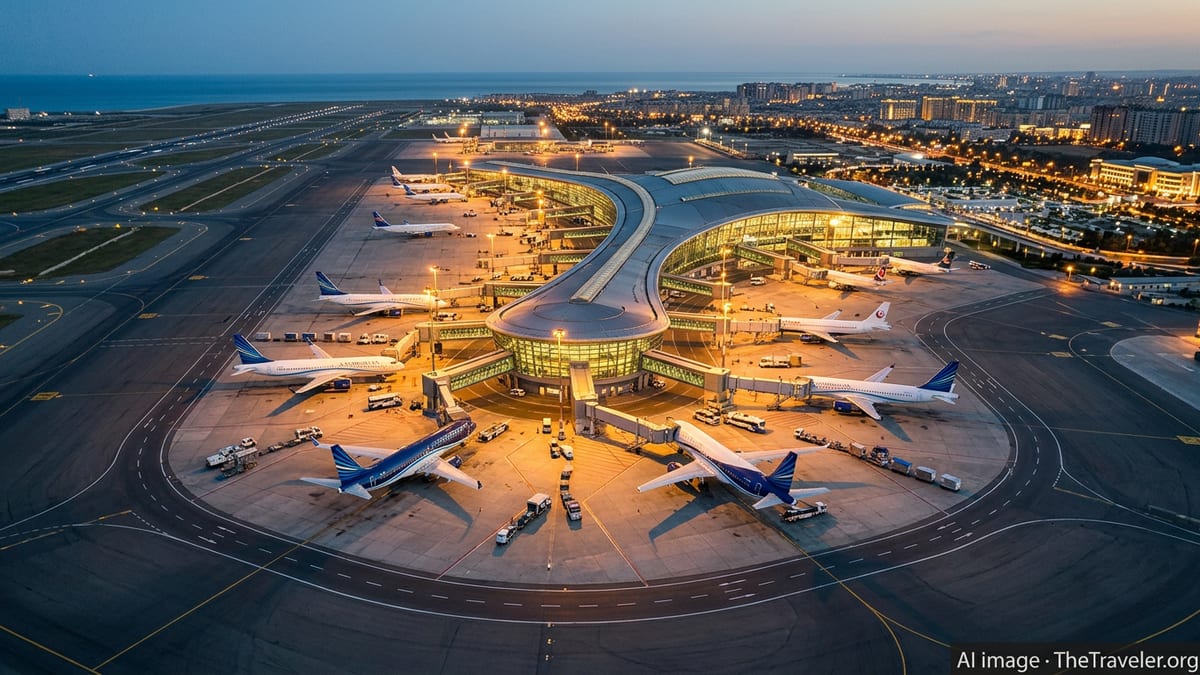
The rapid build-out of routes to and from Baku is reshaping Heydar Aliyev International Airport’s position on the global aviation map. Traffic figures and independent airport rankings over the past two years point to robust passenger growth, driven by a combination of new short-haul services across the Caucasus and Central Asia and fresh medium-haul links into Europe and the Middle East.
For destination marketers and tourism boards, the concentration of new capacity from airlines such as Air Serbia, Azerbaijan Airlines, Royal Jordanian, Etihad Airways and Wizz Air presents an opportunity to package Baku alongside other regional cities as part of multi-stop itineraries. Travel companies are already highlighting combinations like Belgrade–Baku, Amman–Baku and Abu Dhabi–Baku as emerging routes for both leisure and meetings and incentives travel.
Looking ahead to the 2026 summer season, industry projections suggest that Baku could handle significantly higher volumes of connecting passengers than in previous years, as more routes are timed to feed into each other. With additional services under discussion and competitive dynamics intensifying, the Azerbaijani capital appears set to remain at the center of one of the most closely watched aviation growth stories of the coming year.