

More news on this day
Belize’s recent elevation in international travel warnings is drawing fresh attention to safety risks in some of Latin America’s most popular tourist destinations, including Costa Rica, Guatemala, Argentina, Brazil, Peru, and Chile, as governments refresh advisories in response to crime, civil unrest, and health concerns.
Get the latest news straight to your inbox!
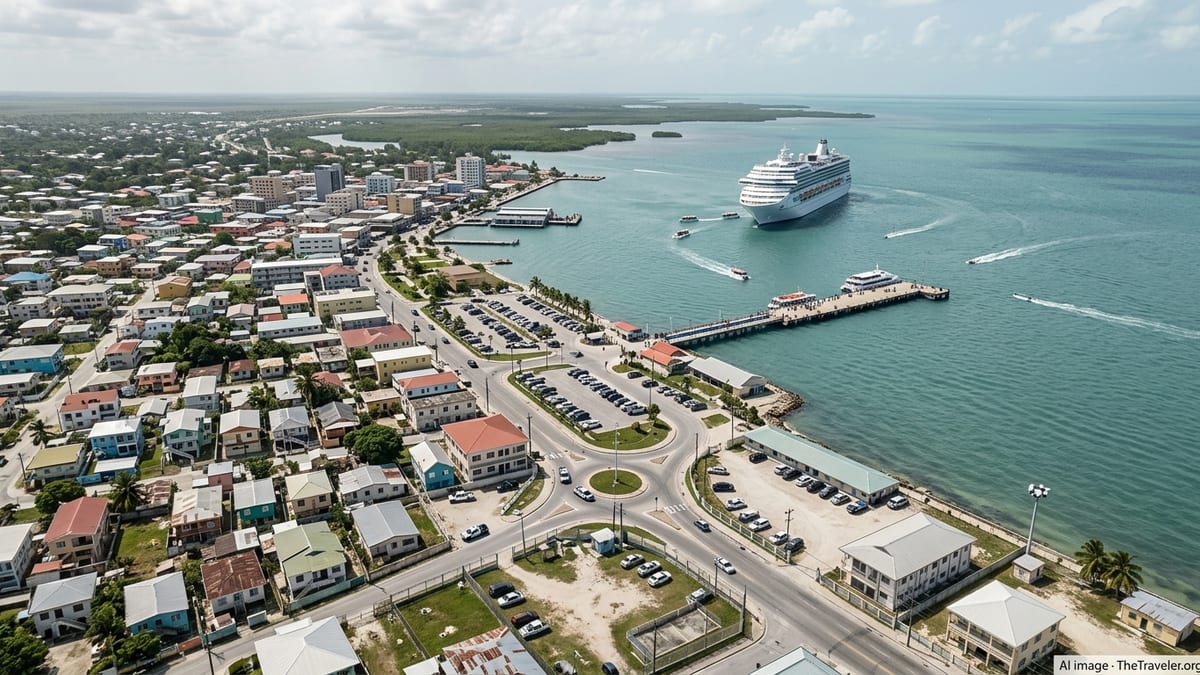
How Belize Ended Up on the Same Watchlist as Regional Tourism Giants
Belize, long marketed as a laid-back Caribbean escape with world-class diving and Mayan sites, is now carrying a higher-profile caution label for international visitors. The United States maintains a nationwide Level 2 advisory for Belize, urging travelers to exercise increased caution due to crime, while identifying parts of Belize City as areas where security risks are significantly higher and travel should be reconsidered. Publicly available summaries highlight violent offenses such as armed robbery, sexual assault, and home invasions, some reported in or near tourist zones.
Other governments have issued similarly wary language. Australian and British travel advice urges a high degree of caution across Belize, pointing to gang-related violence and warning visitors to avoid the Southside of Belize City, south of Haulover Creek, where shootings and murders linked to organized crime are concentrated. Security alerts in 2025 followed the hijacking of a small passenger aircraft at a municipal airstrip, prompting authorities to upgrade screening and policing at domestic airports.
At the same time, Belize is trying to reassure the tourism industry. A 2025–2030 national tourism security strategy sets out plans for more police presence in visitor hubs, better coordination with hoteliers, and improved emergency response. The document frames tourism safety as a non-negotiable priority, underscoring how central foreign visitors are to the country’s economy even as crime trends raise concern.
While many travelers still report trouble-free trips to destinations such as San Pedro, Caye Caulker, and the Cayo district, the widening gap between resort experiences and conditions in parts of Belize City is becoming a central feature of the latest advisories, and a factor travelers are being urged to weigh carefully.
Comparing Advisory Levels: Costa Rica, Guatemala, Argentina, Brazil, Peru, and Chile
The U.S. State Department’s four-tier advisory system has become a de facto reference point for many international travelers. As of early 2026, Costa Rica, Brazil, Peru, and Chile are all categorized at Level 2, the same nationwide level as Belize, meaning visitors are advised to exercise increased caution, primarily due to crime and, in some cases, sporadic unrest. Guatemala sits at Level 3, with guidance to reconsider travel because of higher risks linked to violent crime and limited law enforcement reach in certain regions. Argentina remains a relative outlier at Level 1, with officials recommending normal precautions and describing crime patterns more akin to major urban centers in Europe or North America.
Behind those headline levels, the detail matters. In Costa Rica, recent embassy alerts have flagged increases in robberies and attacks in specific coastal areas and around the capital, even as the country continues to draw families and retirees with its reputation for stability and eco-tourism. Brazil’s advisory highlights high crime rates in major cities, the risk of armed robbery and express kidnapping, and localized security operations in favelas and border regions that can disrupt travel with little notice.
Peru’s advisory reflects a mix of concerns: protests and road blockades that intermittently affect travel to major sites such as Cusco and Machu Picchu, as well as crime and kidnapping risks in certain jungle and border zones. Chile, also at Level 2, is noted for generally strong institutions but has experienced periodic unrest since 2019, with demonstrations occasionally turning violent and affecting central Santiago and other urban areas.
Guatemala’s Level 3 status underscores a markedly different risk profile, particularly in rural areas where armed robbery, carjacking, and gang activity are documented. While tourist centers around Antigua and Lake Atitlán remain popular, the advisory language for Guatemala stresses route planning and avoidance of certain departments, which can complicate overland itineraries.
Crime, Unrest, and Health: The Main Risks Shaping Current Warnings
Across these seven destinations, crime is the most consistent thread running through current advisories. In Belize and Guatemala, gang-related violence is concentrated in specific urban zones, especially poorer neighborhoods where tourists rarely stay but may transit en route to airports or bus stations. In Brazil and parts of Peru, travelers are urged to be alert to armed street crime, particularly after dark and in entertainment districts. Even relatively low-risk Argentina and Costa Rica are highlighted for pickpocketing, bag snatching, and occasional violent robberies in popular tourist areas.
Civil unrest features prominently in assessments for Peru and Chile. Both countries have seen protests over political and economic issues in recent years, some of which have led to clashes with security forces, localized curfews, and temporary shutdowns of transport corridors. Travel advisories now routinely warn that demonstrations can flare with little warning and may cause airport disruptions or leave travelers stranded if roads are blocked.
Health concerns are a quieter but still notable part of the picture. Belize experienced a measles outbreak in 2025 linked to international travel, drawing attention to vaccination gaps and the importance of checking immunization status before visiting. Other countries in the group continue to monitor mosquito-borne illnesses such as dengue, chikungunya, and Zika, especially in tropical lowland regions, although these risks have become more routine and are broadly managed through standard precautions like repellents and protective clothing.
Infrastructure and emergency response capacity also influence advisories. In Belize, Guatemala, and parts of rural Peru and Brazil, limited medical facilities outside major cities and delayed police or ambulance response times are routinely cited as factors that can exacerbate the consequences of accidents or crime. This contrasts with Argentina, Chile, and much of Costa Rica, where health and security services are more developed, though not immune to strain during large-scale events or natural disasters.
Practical Implications for Travelers: Reading and Using the New Warnings
For travelers weighing a trip to Belize or its regional neighbors, experts in risk analysis generally describe State Department advisories and similar tools as starting points rather than stop signs. A Level 2 advisory, now in place for Belize, Costa Rica, Brazil, Peru, and Chile, signals that extra vigilance is needed but does not amount to a recommendation against travel. Instead, it urges visitors to research local conditions, register with consular services where available, and build flexibility into itineraries.
The more serious Level 3 guidance for Guatemala carries practical consequences. Some insurers scrutinize policies for trips to countries under reconsider-travel advisories, and tour operators may modify routes to avoid higher-risk areas. Travelers planning overland journeys through Central America, particularly by bus or car, are being advised in current coverage to double-check whether their preferred routes cross zones singled out for carjacking, armed robbery, or bus hijackings.
In Belize, the latest warnings translate into concrete planning choices. Publicly accessible safety briefings repeatedly stress that visitors should avoid the Southside of Belize City, minimize time in unvetted urban areas after dark, and use licensed, pre-arranged transport from airports and cruise ports. Many tour companies now spell out transfer arrangements designed to bypass high-risk neighborhoods altogether, and hotel associations are promoting security protocols to reassure guests.
Across all seven countries, another emerging theme in 2026 coverage is the role of digital tools. Travelers are encouraged to monitor government alert systems and local news in real time, particularly in destinations like Peru and Chile where protests can alter conditions in a matter of hours. Apps and mapping services that show live reports of roadblocks, marches, or police operations are increasingly seen as essential for those venturing beyond well-trodden resort areas.
Balancing Risk and Reward in Latin America’s Most Visited Destinations
Despite the heightened focus on safety, Latin America’s tourism appeal remains strong. Belize is leveraging its barrier reef, jungle lodges, and cultural heritage to compete with longer-established destinations, while Costa Rica continues to draw eco-conscious travelers and retirees. Brazil’s beaches and Carnival, Peru’s archaeological sites, Chile’s wine country and Patagonia, Argentina’s cities and glaciers, and Guatemala’s colonial and indigenous landscapes all sustain robust demand even as advisories grow more detailed.
Current reporting suggests that risk is highly uneven within each country. In Belize, major resort islands and inland adventure hubs see far fewer serious incidents than inner-city neighborhoods. In Brazil and Argentina, crime is often concentrated in particular districts of large cities, many of which travelers can avoid with informed planning. In Peru and Chile, disruption tends to cluster around specific protest flashpoints rather than tourist attractions themselves, though transit bottlenecks can still affect visitor schedules.
Travel industry analysts note that governments are increasingly pairing warnings with security investments. Belize’s tourism security strategy, expanded camera networks in Brazilian and Chilean cities, enhanced policing along key tourist corridors in Costa Rica, and new crowd-management protocols at major Peruvian heritage sites are all cited in recent reports as attempts to keep lucrative visitor flows moving while responding to genuine safety gaps.
For would-be visitors, the emerging consensus is that trips to Belize and its regional peers are still viable, but require more preparation than in the past. Reading advisories closely, understanding neighborhood-level risks, confirming insurance coverage in higher-alert countries, and maintaining situational awareness on the ground can help travelers navigate the evolving safety landscape while still experiencing some of the hemisphere’s most sought-after destinations.