

More news on this day
Fresh schedule changes and cancellations by Aeromexico, All Nippon Airways (ANA), Jetstar and other carriers are triggering a new wave of travel disruptions in Japan, affecting nearly a dozen recently launched or newly announced services linking Mexico City with Japanese domestic destinations such as Fukuoka and Akita, as well as other regional routes.
Get the latest news straight to your inbox!
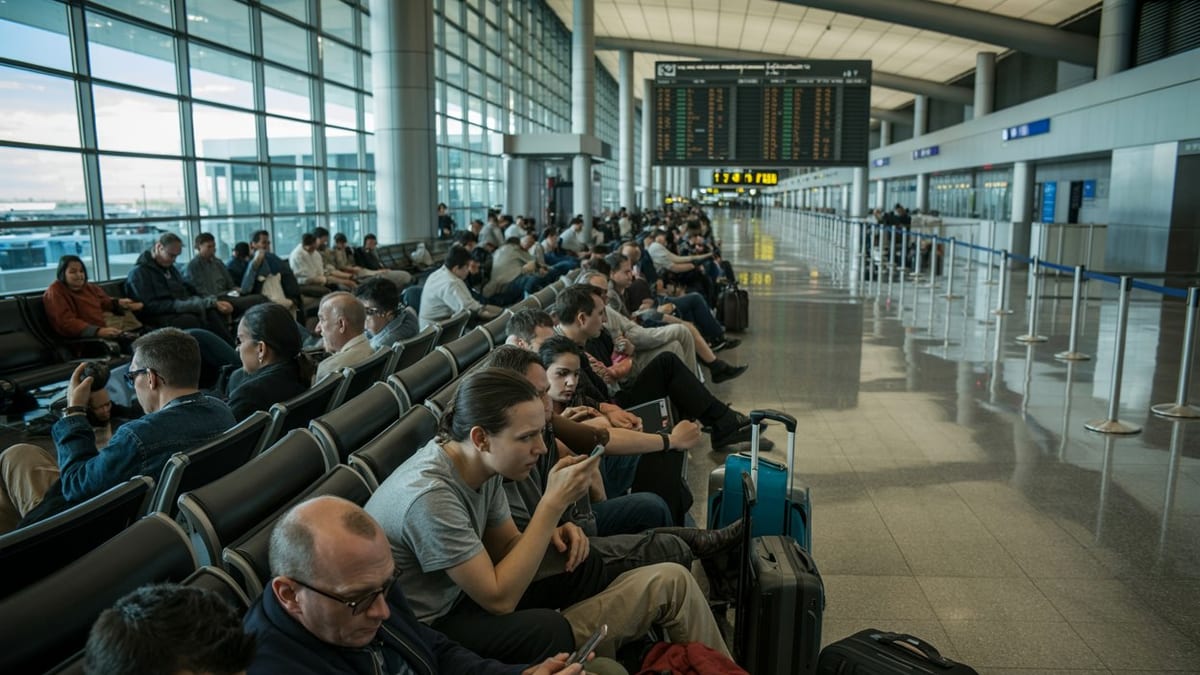
Image by Travel And Tour World
Newly Launched and Planned Flights Pulled Back
Publicly available timetable data and airline announcements indicate that a cluster of recently launched or newly announced flights touching Japan have been quietly removed from schedules in late March, just as carriers were preparing for the northern summer 2026 season. The changes involve long haul links from Japan to Mexico City and other international gateways, together with Japan domestic connections that were intended to feed those services.
Industry schedule filings show that Aeromexico has adjusted its Mexico City services in a way that reduces connectivity into Japan, including through partner itineraries that relied on Japanese domestic legs to move travelers to and from long haul departures. While Aeromexico’s primary transpacific operation remains focused on major Asian hubs, the latest tweaks mean fewer viable one stop options for passengers combining Mexico City with Japan’s regional cities.
At the same time, ANA and its partners have pared back a set of flights that linked Tokyo with secondary Japanese airports such as Fukuoka and Akita and were used as key connectors for long haul itineraries. These cuts are part of a broader pattern of capacity reshaping ahead of the summer season, but they have an outsized impact on travelers who had booked multi segment journeys that depended on precise domestic connections.
As a result, passengers holding tickets on complex routings that tied together Aeromexico, ANA, Jetstar and other carriers are seeing confirmed itineraries unravel, often with limited alternative options that preserve the original travel dates and times.
Domestic Hubs Fukuoka and Akita Hit by Changes
The latest disruptions are especially visible at regional airports such as Fukuoka and Akita, which serve as important spokes in Japan’s domestic network. Timetable information for the 2025 to 2026 period shows that flights touching these cities have been subject to repeated adjustments, including previous suspensions and reductions on select routes.
Fukuoka, a key gateway for both domestic and short haul international traffic, has seen a reshuffling of services operated by large full service airlines and low cost carriers alike. Changes to the roster of flights used to connect Fukuoka with Tokyo and onward long haul departures reduce the flexibility that travelers once had when pairing regional origin points with intercontinental services such as links to Mexico City.
In Akita, which relies heavily on domestic feed to connect local travelers to the wider world, the removal of select frequencies is even more keenly felt. Published fare charts and route documents demonstrate that carriers have repeatedly tweaked offerings on routes such as Fukuoka to Akita via Tokyo, signaling that demand and cost pressures continue to drive network experimentation rather than stable, long term growth.
For passengers, the immediate effect is a narrowing of options, particularly at peak holiday and business travel periods. Many of the newly cancelled flights were purchased months in advance by travelers who expected seamless same day transfers between regional Japan, Tokyo area hubs and long haul departures.
Jetstar and ANA Network Resets Add to Volatility
The broader context for the latest cancellations is a period of significant restructuring among Japanese and Japan based carriers. Jetstar’s Japanese operations have been undergoing strategic change, with parent groups reevaluating their exposure to the local low cost market and adjusting brand usage and ownership stakes. Those moves have been accompanied by shifts in capacity across key domestic and short haul international routes, leaving some airports with fewer low cost options than originally planned.
ANA is also in the midst of reshaping its portfolio of brands and services. Public coverage has documented the winding down of ANA’s medium and long haul low cost operation under the AirJapan label, with that brand set to cease flights around the end of March 2026. While core ANA mainline services continue, the retreat of the associated low cost operation alters the mix of capacity into and out of Japan, particularly on routes intended to offer lower priced connections for long haul passengers.
As Jetstar, ANA and their affiliated brands adjust networks, smaller but symbolically important flights are often the first to be cut. That appears to be the case with several of the newly cancelled services tied into Japan’s regional network and long haul connections to cities such as Mexico City. These removed flights individually represent only a small fraction of overall capacity, but collectively they erode the redundancies that once cushioned travelers against single flight disruptions.
The overlapping nature of these changes means that a traveler relying on a Jetstar domestic leg to feed an ANA or Aeromexico long haul departure may now find both parts of the itinerary altered within a short span, complicating rebooking efforts and raising the risk of forced overnight stays or prolonged detours.
Travelers Face Rebookings, Longer Journeys and Limited Alternatives
The practical impact for travelers is emerging through airline notifications, booking platform alerts and experiences documented in online travel communities. Reports indicate that passengers booked on the cancelled or rescheduled flights are being shifted onto alternative services where space permits, but options are often constrained on busy days, and revised itineraries can involve longer journey times or additional connections.
In some cases, domestic legs in Japan are being moved to earlier or later departures, lengthening transfer windows at Tokyo area airports. For those traveling onward to Mexico City, such changes may mean overnight stays or missed same day connections that were originally marketed as standard itineraries. While refund and change options exist under each carrier’s policies, these do not fully compensate for the time and convenience lost when a carefully selected routing disappears.
Passengers whose trips hinge on access to or from regional hubs like Fukuoka and Akita are particularly exposed. With fewer frequencies and fewer carriers competing on certain routes, replacement flights can sell out quickly after a schedule change, leaving affected travelers with the choice of altering trip dates, accepting multi stop itineraries, or canceling altogether.
Travel agents and online intermediaries are also contending with a higher volume of itinerary changes involving multiple airlines. Complex bookings that once relied on tightly coordinated schedules between Aeromexico, ANA, Jetstar and other partners can require manual intervention to preserve minimum connection times and fare conditions, and in some instances, entirely new tickets at higher prices.
What Passengers Planning Japan and Mexico Trips Should Do Now
Travel industry advisories and consumer travel coverage suggest that passengers with upcoming itineraries involving Japan and Mexico take a proactive approach in light of the latest cancellations. Travelers are encouraged to check reservation details directly with each operating carrier, monitoring for any schedule changes in the weeks and days before departure, rather than relying solely on initial booking confirmations.
For those connecting through regional Japanese airports such as Fukuoka and Akita, building in additional buffer time between domestic and international legs can help mitigate the risk posed by last minute retimings or single flight cancellations. Where possible, some travelers may opt for routings that use larger hubs with multiple daily frequencies, increasing the chances of same day reaccommodation if a flight is removed from the schedule.
Consumer advocates also note that passengers should familiarize themselves with each airline’s rules regarding refunds, voucher options and involuntary schedule changes. While policies vary by carrier and fare type, documentation on airline websites typically outlines when a significant schedule change triggers eligibility for a refund, and when travelers are restricted to rebooking options on the same airline or alliance.
With capacity shifts by Aeromexico, ANA, Jetstar and other carriers continuing as the 2026 travel season unfolds, observers expect further fine tuning of networks in and around Japan. For now, the latest cluster of nearly a dozen cancelled and altered flights serves as a reminder that even newly launched or recently promoted routes can be short lived, and that travelers planning complex trips between Mexico City and Japan’s regional airports should remain vigilant about evolving schedules.