

The northeastern United States divides loosely into two powerhouse regions for travelers: New England and the Mid Atlantic. Both offer dense layers of history, coastline and culture within relatively compact distances, yet the experiences on the ground can feel strikingly different. Choosing between them is less about which region is objectively better and more about which best matches your travel style, budget and timing. This guide compares their strengths side by side so you can decide where your next journey should begin.
Defining the Regions: What Counts as New England and the Mid Atlantic
Before comparing coastal views and city breaks, it helps to define the geography. New England traditionally includes six states in the northeastern corner of the United States: Maine, New Hampshire, Vermont, Massachusetts, Rhode Island and Connecticut. The region stretches from the rugged North Atlantic shores of Maine down to the comparatively gentle beaches and harbors of Rhode Island and Connecticut, with mountain ranges, deep forests and pastoral farmland in between. Distances are short by American standards, which makes it relatively easy to combine several states in one trip.
The Mid Atlantic is a bit more fluid as a concept, but for travelers it generally means New York, New Jersey, Pennsylvania, Delaware, Maryland and the District of Columbia, with northern Virginia often folded in. This band of states sits between New England and the American South. It includes some of the country’s largest and most global cities, such as New York City, Philadelphia, Baltimore and Washington, DC, alongside historic small towns, farmland and two significant coasts on the Atlantic Ocean and Chesapeake Bay.
Population and economic weight tilt decisively toward the Mid Atlantic. The region is home to tens of millions of people, and if measured as a separate economy it would rank among the world’s largest. For visitors, that density translates into world-class cultural institutions, dining and events packed into a relatively small area. New England, by contrast, feels more rural and sparsely populated the farther north and inland you travel, with major urban life concentrated around Boston and Providence.
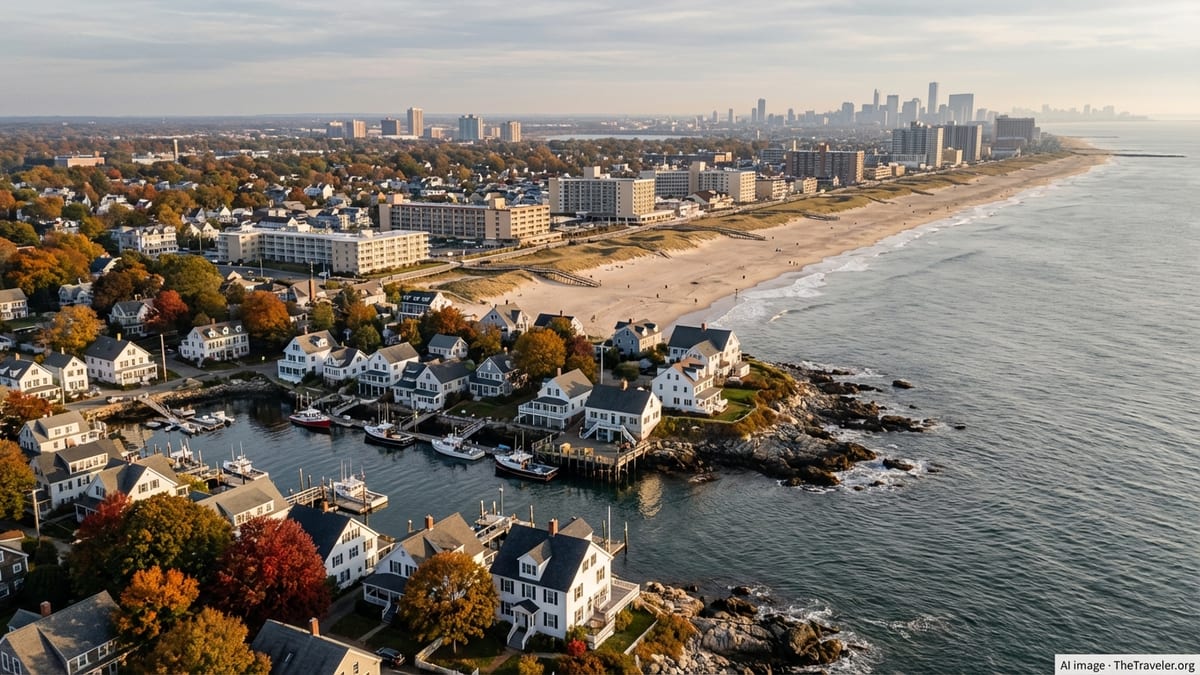
Understanding these basic boundaries clarifies the choice. If you are dreaming of small villages, white-steepled churches and quiet harbors, New England is more likely to deliver. If your priorities are big-city energy, iconic skylines and major museums within a short train ride of each other, the Mid Atlantic starts with a clear advantage.
Landscapes and Outdoor Experiences
New England’s scenery is a major reason it appears near the top of many domestic wish lists. The coastline in Maine and Massachusetts shifts from rocky headlands and lighthouses to sand dunes and salt marshes. Inland, Vermont and New Hampshire offer forested mountains, glacial lakes and miles of hiking trails, while western Massachusetts and northern Connecticut provide rolling hills and river valleys. Seasonal shifts are dramatic. Autumn leaf color is a major tourism driver, with planning guides and foliage forecasts helping travelers time a visit between roughly late September and mid-October in most of the region for the best chance at peak color.
Outdoor recreation in New England leans heavily into hiking, paddling and winter sports. The White and Green Mountains form a backbone of ski resorts and backcountry trails that attract both hardcore hikers and casual walkers. Maine’s Acadia National Park, one of the most visited national parks in the United States, compresses granite peaks, carriage roads for cycling and classic maritime views into a relatively small area. Even in summer, temperatures can be mild along the coast, which appeals to travelers looking to escape hotter parts of the country.
The Mid Atlantic’s landscapes are more varied than many first-time visitors expect. There are long strands of barrier island beaches in New Jersey, Delaware and Maryland, plus the quieter coves and working waterfronts of the Chesapeake Bay. Inland, the Poconos in Pennsylvania and the Blue Ridge foothills in Maryland and Virginia offer lake escapes, hiking and ski hills on a smaller scale than New England’s but typically with gentler terrain and milder winter temperatures. Urban green spaces, such as the extensive park systems in New York City, Philadelphia and Washington, DC, add another layer of accessible outdoor life for visitors who prefer not to rent a car.
If your ideal trip revolves around backroads, state parks and long drives through rural landscapes, New England usually wins. If you want to balance beach time and hiking with easy access to major cities by road or rail, the Mid Atlantic’s patchwork of coasts, river valleys and low mountains can be more convenient, especially for visitors flying into New York or Washington.
Climate, Seasons and When to Go
Timing matters enormously in both regions, and each has certain seasons when it really shines. New England’s travel calendar is strongly seasonal. Summer brings busy coastal towns, sailing and beach days from Connecticut to Maine. Autumn, especially from late September through mid-October, is the famed foliage period, when mountain roads and country inns often book out well in advance. Winters can be long and cold, with snow common away from the immediate coast. That can be a plus if you are planning a ski holiday or want the romance of snowy villages and frozen lakes, but it does limit some outdoor activities. Spring arrives gradually and can be unpredictable, though late spring typically brings wildflowers, maple sugaring in northern states and fewer crowds than in peak summer.
The Mid Atlantic also experiences four distinct seasons but in a somewhat milder form, especially south of New York. Summers can be hotter and more humid than in coastal New England, particularly in cities and along the Chesapeake Bay, so travelers who dislike heat waves may prefer shoulder seasons. Autumn is generally pleasant, with foliage that can rival parts of New England in the mountains of Pennsylvania and in river valleys further south, though the color change tends to occur slightly later and with less intensity at the coasts. Winters vary from comparatively mild in coastal areas and cities like Washington, DC, to more consistently cold and snowy in higher elevations.
From a purely practical standpoint, shoulder seasons are attractive in both regions. Late spring and late autumn often combine fewer visitors with reasonable weather and lower prices, though school schedules and major events can cause spikes even then. If your goal is classic fall foliage, New England still enjoys the stronger reputation, and many travel advisories continue to position it as the premier destination in the United States for that particular experience. If your priority is to avoid severe cold while still enjoying seasonal change, the Mid Atlantic provides a bit more climatic flexibility, especially for city-focused trips.
Weather volatility is also a consideration. Coastal storms, heavy rain and, in winter, nor’easters can affect travel in both regions. It is wise to build some flexibility into itineraries, especially between November and March, and to pay close attention to forecast trends if you are planning activities that depend strongly on clear skies, such as leaf-viewing drives or coastal excursions.
Cities, Culture and Nightlife
Urban life is the Mid Atlantic’s most decisive strength. New York City remains one of the world’s major tourism magnets, drawing tens of millions of visitors annually in recent years, with numbers continuing to trend upward even if they have not fully surpassed pre-pandemic peaks. For travelers, it offers an almost unmatched density of museums, performing arts, dining, nightlife and neighborhoods that each feel like distinct worlds. Washington, DC, with its concentration of free national museums and monuments, and Philadelphia, known for its layered Revolutionary history and food culture, round out a trio of headline destinations.
Beyond those major cities, the Mid Atlantic includes smaller urban centers with strong identities. Baltimore combines a working harbor with neighborhoods that showcase African American history and a notable arts scene. Pittsburgh, sometimes included in broader Mid Atlantic itineraries, offers a striking setting at the confluence of rivers with a growing reputation for design and tech. Even coastal resort towns, from Atlantic City to oceanfront communities in Delaware and Maryland, deliver boardwalk culture, entertainment and nightlife in summer.
New England’s urban life is anchored by Boston, a city whose historic core, universities and sports culture make it a perennial favorite for both domestic and international visitors. Providence offers a compact blend of arts, food and student energy, while Portland, Maine, has grown popular for its dining scene and working waterfront. Smaller cities such as Burlington in Vermont and Portsmouth in New Hampshire add college-town vibrancy and walkable historic districts.
The overall feel, however, is different. New England’s cities tend to be smaller and easier to navigate, with a strong emphasis on history and local character rather than sheer scale. Nightlife exists but is more concentrated and often winds down earlier than in New York or Washington. If you are seeking multiple nights out in late-closing bars and clubs, the Mid Atlantic, especially New York City and parts of Philadelphia, offers more options. If your ideal evening is a farm-to-table dinner followed by a harbor stroll or a cozy bar, New England will likely satisfy.
History, Heritage and Small-Town Charm
Both regions played central roles in the early history of the United States, and the contrasts are part of their appeal. New England showcases some of the country’s earliest English settlements, with towns such as Plymouth and Salem tied closely to colonial and maritime narratives. Walking through coastal communities in Massachusetts, Maine or Rhode Island, you often find clapboard houses, stone walls and church steeples that have stood for centuries, giving an almost European sense of continuity within an American context.
Small-town New England is especially compelling. Many visitors seek out covered bridges in Vermont, village greens in New Hampshire, and waterfront main streets in Connecticut and Maine where independent bookstores, bakeries and galleries dominate. Historic inns, some operating continuously since the 18th century, reinforce the sense that you are stepping into a long story rather than a newly designed resort. For travelers who prioritize atmosphere over major attractions, this combination can be irresistible.
The Mid Atlantic’s historical story is more varied, reflecting a patchwork of colonial powers and later waves of immigration. Philadelphia and Washington, DC, are central to the narrative of American independence and government, with landmarks such as Independence Hall, the National Mall and nearby battlefields drawing visitors interested in political and military history. New York City overlays that foundation with the story of immigration, finance and culture in the 19th and 20th centuries, with neighborhoods, museums and memorials that reflect communities from around the world.
Small-town charm in the Mid Atlantic is often found along rivers and bays. Hudson River towns north of New York City, canal-side communities in Pennsylvania, and historic ports along the Chesapeake offer walkable streets and local shops. While the architecture and feel differ from New England’s white villages and green commons, the sense of place can be just as strong. Travelers interested in African American history, industrial heritage or the evolution of American cities may find the Mid Atlantic’s variety more compelling, while those drawn to seafaring lore, literary associations and pastoral landscapes may lean toward New England.
Costs, Logistics and Ease of Getting Around
In recent years, travel costs have fluctuated across the United States, but some patterns hold. Broadly speaking, city centers in both regions can be expensive for lodging and dining, especially during major events or peak seasons. New York City and parts of coastal New England are among the priciest places in the country on average for hotels, while smaller cities and rural areas in both regions often offer better value. Currency exchange rates and broader economic conditions can shift the picture for international visitors, so it is worth checking recent reports on accommodation trends when budgeting a trip.
Transportation logistics are an area where the Mid Atlantic stands out. The rail corridor linking Boston, New York, Philadelphia, Baltimore and Washington, DC, provides frequent intercity train service, including higher-speed options on some segments. Commuter rail and regional buses extend that network further into suburbs and secondary cities. For a visitor uncomfortable with driving or left-side traffic, it is possible to design an entire Mid Atlantic itinerary relying solely on trains, buses, rideshares and walking, especially if you concentrate on the major urban hubs.
New England’s public transport is more limited outside of Boston and Providence. Within Boston’s metropolitan area, subway, commuter rail and buses make car-free travel viable. Beyond that, however, many of the most scenic small towns, coastal peninsulas and mountain areas are accessible only by car or infrequent bus routes. Renting a vehicle unlocks much more of the region’s charm but also adds cost and the need to navigate narrow rural roads, which some visitors may find stressful in peak foliage season or winter weather.
If your priority is a low-stress, train-based itinerary focused on cities and a few coastal or small-town add-ons, the Mid Atlantic is generally easier and often cheaper day-to-day, since you can avoid car hire and some parking costs. If you are willing to rent a car and enjoy scenic driving, New England compensates with flexibility and spontaneous detours that can become highlights in their own right, such as pulling off at a farm stand or exploring a side road to a lighthouse.
Food, Drink and Local Flavors
Food has become a central reason to visit both regions, but their culinary personalities are distinct. New England’s reputation rests on seafood, dairy and seasonal produce. Coastal menus abound with lobster, clams, scallops and oysters, often served simply to highlight freshness. Chowders, lobster rolls and fried clams are staples in harbors from Maine to Rhode Island. Inland, maple syrup production in Vermont and parts of New Hampshire and Maine adds a sweet note, especially in late winter and early spring when sugarhouses open for visitors.
Farm-to-table dining is particularly strong in New England’s smaller cities and rural areas, where chefs often work directly with local farms, fisheries and cheesemakers. Craft beer has boomed across the region, with Vermont in particular drawing enthusiasts who build itineraries around brewery visits. Wine and cider production has expanded as well, especially in coastal and river-valley areas, offering tasting rooms with views of fields and water.
The Mid Atlantic’s culinary scene is defined by diversity and scale. New York City alone could support a week-long food-focused trip, with everything from street vendors to Michelin-starred dining representing cuisines from around the world. Philadelphia is known for its robust food markets and iconic sandwiches, while Baltimore brings Chesapeake Bay seafood traditions such as crab cakes and steamed crabs seasoned with regional spice blends. Smaller cities and towns throughout the region reflect waves of immigration, resulting in neighborhoods where you can explore specific culinary traditions in depth, from Italian and Jewish delis to South Asian, Caribbean and Latin American eateries.
Drinks culture in the Mid Atlantic is similarly broad. Wine regions in New York State, craft breweries in Pennsylvania and Maryland, and a growing number of urban distilleries give travelers plenty of options, often accessible by short drives or organized tours. Coffee culture and specialty bakeries are particularly dense in larger cities, making everyday eating and drinking an enjoyable part of simply walking around. For travelers whose primary interest is sampling as many different cuisines as possible without traveling huge distances, the Mid Atlantic offers clear advantages, while New England excels for those seeking a tight connection between local landscape and what appears on the plate.
Who Each Region Is Best For
With so much overlap, deciding between New England and the Mid Atlantic comes down to matching the region to your priorities. New England tends to suit travelers who place a high value on scenery, quiet and a sense of stepping into a postcard version of small-town America. Couples seeking romantic inns, families wanting lake or coastal cottage holidays, and photographers chasing misty mornings and fiery hillsides will likely find New England the better fit, especially outside the coldest winter months if they are not keen skiers.
The Mid Atlantic is often the stronger choice for first-time visitors to the United States, solo travelers and anyone who prefers or requires comprehensive public transport. Itineraries linking New York, Philadelphia and Washington, DC, can be designed to cover major museums, historic sites and dining districts with minimal logistical complexity. Short side trips to coastal resorts, river towns or nearby hiking areas allow you to add nature and relaxation without committing to long drives.
Budget considerations also play a role. While both regions have high-end and more affordable options, it can be easier to control costs in the Mid Atlantic by staying in secondary cities or neighborhoods and using public transit. In New England, avoiding peak foliage weekends and choosing inland rather than waterfront lodging can help, but many of the most sought-after experiences are inherently seasonal and carry premium pricing. If you are flexible about travel dates and locations, either region can be approached in a cost-conscious way, but spontaneous last-minute bargains in the most iconic New England settings are less common at peak times.
Ultimately, travelers who love layered urban culture, wide-ranging food scenes and efficient rail links will likely crown the Mid Atlantic their winner. Those who crave winding roads, historic villages, coastal walks and the rhythm of small-town life will find New England hard to beat. There is no wrong choice, only a better match for the kind of trip you hope to remember years later.
The Takeaway
When pitting New England against the Mid Atlantic, the comparison is less a contest and more a reflection of different strengths. New England condenses maritime heritage, mountain landscapes and deeply photogenic small towns into a compact region that feels particularly magical in summer and autumn. The Mid Atlantic offers a more urban-forward experience, with some of the United States’ most important cities and cultural institutions connected by efficient transport, supplemented by beaches, bays and rolling countryside.
If your travel dreams revolve around lighthouses, fall colors and quiet streets lined with historic houses, New England delivers a version of the northeastern United States that feels timeless. If you are excited by skyscrapers, landmark museums and the hum of diverse neighborhoods, the Mid Atlantic provides more variety within each day’s walking radius. Many repeat visitors ultimately explore both, sometimes even within the same extended trip, using the rail corridor or a rental car to move between Boston and New York or New York and coastal New England.
The most useful way to decide is to start with your must-have experiences. Write down the scenes you imagine, whether that is cracking a lobster on a dock, standing under skyscrapers at night, paddling on a quiet lake at dawn or watching the lights come up over a historic skyline. Match those images to the regional strengths described here, then factor in timing, budget and your comfort with driving. Whichever region you choose, planning ahead for peak seasons and building in flexibility for weather will help you make the most of what the northeastern United States has to offer.
FAQ
Q1. Is New England or the Mid Atlantic better for a first-time visitor to the United States?
For a first-time visitor focused on major landmarks, museums and city life, the Mid Atlantic usually edges ahead because New York City, Washington, DC, and Philadelphia offer so many iconic sights in a relatively small area with good train connections. New England is an excellent choice if you prefer quieter towns, coastal scenery and road trips over big-city intensity.
Q2. Which region is better for fall foliage?
New England generally has the stronger reputation for fall foliage, especially in the mountains of Vermont and New Hampshire and along parts of the Maine and Massachusetts coasts. The Mid Atlantic also has attractive autumn color in areas such as Pennsylvania’s hills and river valleys, but the scale and concentration of classic foliage drives are typically greater in New England.
Q3. Where will I find better beaches, New England or the Mid Atlantic?
Both regions offer good beaches, but they feel different. New England’s coasts mix rocky headlands with some fine sandy stretches, and water temperatures can be cool even in midsummer. The Mid Atlantic has longer runs of sandy, warmer beaches in New Jersey, Delaware and Maryland that are more typical of traditional seaside holidays, often with boardwalks, amusement rides and a busy seasonal atmosphere.
Q4. Can I visit both regions in a single trip?
Yes, many travelers combine them. Common approaches include linking Boston with New York City by train and adding a short New England coastal or inland side trip, or starting in New York and traveling south to Philadelphia and Washington, then looping back via a coastal drive. The key is to be realistic about travel times and avoid packing in too many stops, especially if you only have one or two weeks.
Q5. Which region is more budget-friendly?
Costs vary widely within both regions, but in general it can be easier to manage a budget in the Mid Atlantic by staying in secondary cities or outer neighborhoods and using public transit. New England’s most in-demand coastal and foliage destinations often command premium prices, particularly on weekends and during school holidays. Traveling in shoulder seasons and choosing inland towns can narrow the gap.
Q6. Is it necessary to rent a car in New England or the Mid Atlantic?
In the Mid Atlantic, you can design an entire trip around trains, buses and local transit if you focus on cities and a few nearby excursions. In New England, a car becomes much more useful once you leave Boston and Providence, since many small towns, coastal inlets and mountain areas have limited public transport. If you dislike driving, the Mid Atlantic is usually simpler, while self-drivers will find New England rewarding.
Q7. How do winters compare between New England and the Mid Atlantic?
New England winters are typically colder and snowier, especially away from the immediate coast and in higher elevations. This makes the region attractive for skiing and winter sports but can complicate driving and outdoor sightseeing. The Mid Atlantic often experiences milder conditions, particularly in coastal and urban areas, although cold snaps and snowstorms still occur. If you want a winter city break with less severe weather on average, the Mid Atlantic has a slight edge.
Q8. Which region offers better food for travelers?
It depends on your tastes. New England excels in seafood, farm-to-table dining and regional specialties like lobster rolls, chowder and maple-infused dishes, especially in smaller towns and coastal cities. The Mid Atlantic, anchored by New York City and Philadelphia, offers extraordinary diversity, with cuisines from around the world available within a small radius, along with regional favorites such as crab dishes around the Chesapeake Bay.
Q9. Are these regions good for family travel?
Both regions work well for families but in different ways. New England is ideal for low-key lake and beach holidays, outdoor activities and exploring compact historic towns that are easy to navigate with children. The Mid Atlantic shines for families interested in museums, zoos, aquariums and interactive historic sites, particularly in Washington, DC, and Philadelphia, where many attractions are designed with young visitors in mind.
Q10. How far in advance should I book for peak seasons?
For New England’s fall foliage and popular summer weeks on the coast, booking several months in advance is sensible, especially for small inns and vacation rentals. In the Mid Atlantic, major events, holidays and peak summer weekends at beach resorts also warrant advance planning, but large cities often have more hotel capacity, so last-minute options may still exist outside the busiest periods. In both regions, flexible dates and midweek stays can make finding good accommodations easier.