

More news on this day
A new wave of flight tracking technology is giving travelers a much earlier look at potential disruptions, with one leading app now monitoring the inbound aircraft for a scheduled flight up to 25 hours before departure.
Get the latest news straight to your inbox!
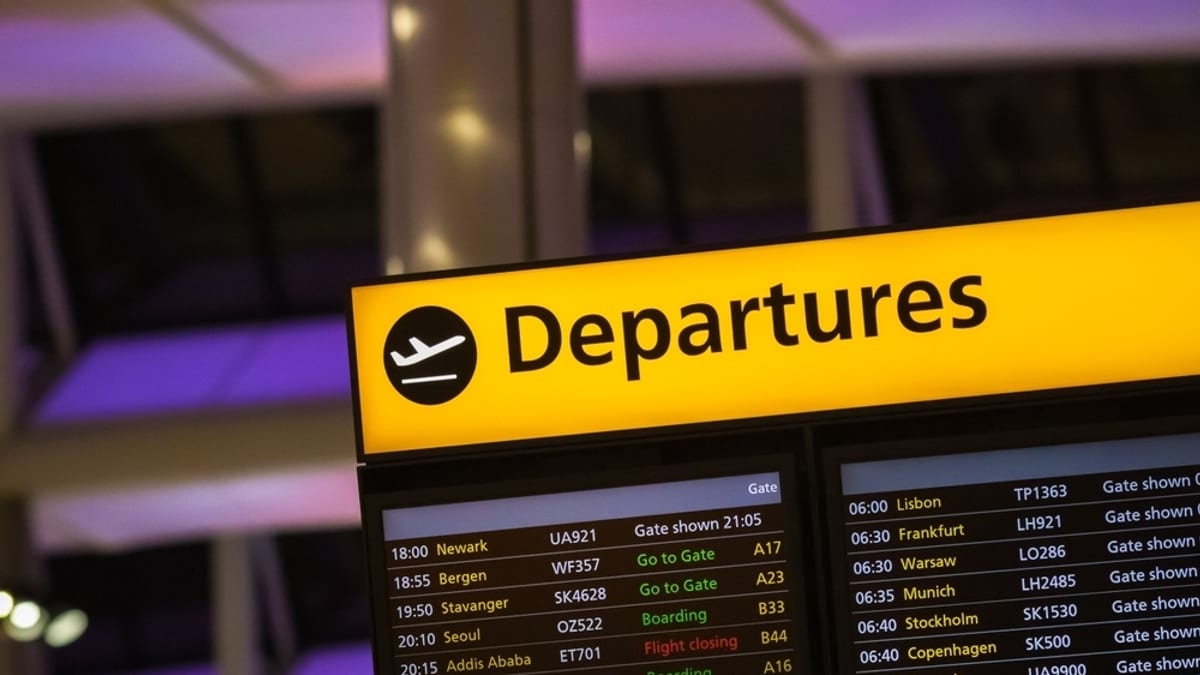
Image by Time Out
Incoming-aircraft tracking moves to the forefront
Flight tracking tools have long allowed passengers to check whether a flight is on time on the day of travel. What is changing is how early some apps are able to surface that information. One prominent iOS app, Flighty, highlights a feature that tracks the aircraft operating a passenger’s flight 25 hours in advance, using tail number data and a combination of schedule and status feeds.
According to public product descriptions, the app follows the inbound aircraft across its previous legs and compares that performance with schedules, enabling it to flag when the plane running late on an earlier segment is likely to cause a knock-on delay later in the day. That approach focuses less on airline announcements and more on what the aircraft itself is doing.
By concentrating on incoming aircraft, the software effectively turns a question that used to be answered at the gate into one that can be considered from home or the hotel a full day earlier. Travelers can see where their plane currently is, which flights it is operating before theirs, and how those services are performing against schedule.
This kind of monitoring is particularly useful on busy days when aircraft are scheduled to fly multiple segments. If an early-morning delay persists throughout the rotation, the system can detect the pattern and present it well before many airline apps update their departure times.
How the 25-hour view changes trip planning
For passengers, the main impact of a 25-hour tracking window is more time to react. If a flight looks likely to leave late, travelers may decide to leave for the airport later, adjust ground transport, or contact their airline about alternative connections. For those with tight layovers, seeing a likely delay a day in advance can be the difference between proactively rebooking and waiting in a long customer service line.
Travelers picking up friends or family also benefit from the earlier insight. Instead of relying solely on airport departure boards or last minute alerts, they can monitor the inbound aircraft’s earlier flights to gauge whether the arrival is trending early, on time, or late.
The 25-hour view also adds context that traditional status screens often lack. Rather than a single on-time or delayed label, passengers can see whether a schedule risk is driven by weather along the route, congestion at a previous airport, or repeated late departures for the same aircraft. That additional detail can help travelers decide how confident they feel about tight connections or same-day meetings.
For frequent flyers, the new tools are increasingly acting as a complement to airline apps rather than a replacement. Many users still rely on carrier applications for check in and boarding passes, but turn to independent trackers for early warning about operational issues, especially when airlines are slow to post revised departure times.
Competition heats up among flight tracking platforms
Flighty’s focus on inbound-aircraft analytics has arrived in a crowded market of flight tracking services. Flightradar24, Plane Finder and other radar-based platforms already provide extensive real-time maps and status information, while consumer trip planners such as CheckMyTrip and various airline apps send push alerts about delays and gate changes.
Several newer products promote live status boards, airport-centric tracking and smart notifications designed to alert travelers the moment schedules change. Some apps emphasize visual radar-style views with aircraft icons moving across global maps, while others concentrate on itinerary management, combining flight status with hotel and car rental details.
Reports from frequent flyer communities indicate that users often layer multiple tools, pairing a trip organizer or airline app with a specialist tracker. In that mix, the ability to watch the incoming aircraft over a 25-hour window has emerged as a differentiating feature, especially for passengers who routinely face weather disruptions or tight connections.
As competition grows, developers are also adding capabilities such as airport taxi-time estimates, historical on-time performance statistics and expanded notification options that update passengers about boarding, taxi, takeoff and arrival milestones.
Limitations and what travelers should keep in mind
Despite the longer lead time, early aircraft tracking is not a guarantee of final departure or arrival times. Airlines can swap aircraft, change crews or reroute planes for operational reasons, sometimes reducing the impact of a delay that once seemed inevitable or, in other cases, introducing a new disruption late in the process.
Publicly available coverage and user reports also note that gate and time information in third party apps can occasionally lag behind airline systems, particularly when airports or carriers update details only seconds before boarding. Travelers are still advised to confirm critical information on official airline channels and airport displays before making decisions such as skipping a flight or changing tickets.
Coverage can also vary by region and carrier, depending on the data sources an app uses and the level of access it has to status feeds. Some low cost or regional airlines may not appear as consistently as major global carriers. In addition, certain airports share more granular data about ground operations than others.
Privacy and battery usage are other considerations. Continuous background tracking and frequent status checks can draw on device resources, and some travelers may prefer to limit notifications to key milestones rather than receiving every minor update. Many apps allow users to tailor alerts so they are notified only about significant changes such as long delays, cancellations or gate moves.
A glimpse of what comes next for flight status tools
The emergence of a 25-hour tracking window points to a broader shift in consumer travel technology toward prediction and proactivity. App makers are increasingly using historical delay patterns, airport congestion data and weather modeling to estimate the likelihood of disruptions before airlines formally adjust their schedules.
Industry observers expect future versions of these tools to integrate more machine learning techniques that can weigh thousands of past flights to flag when a particular route, aircraft or time of day is at higher risk of delay. That could eventually allow travelers not only to see what is happening with today’s flight, but also to assess the relative reliability of different options before booking.
For now, the ability to track an incoming aircraft 25 hours before departure offers a practical upgrade for many travelers. It turns the question of “where is my plane” from an anxious last minute check at the gate into a day-ahead data point that can shape how people plan their journey.