

More news on this day
Americans planning international trips this spring are facing a fast-changing landscape of travel warnings, as new security alerts and advisories highlight elevated risks in parts of the Middle East alongside broader global cautions.
Get the latest news straight to your inbox!
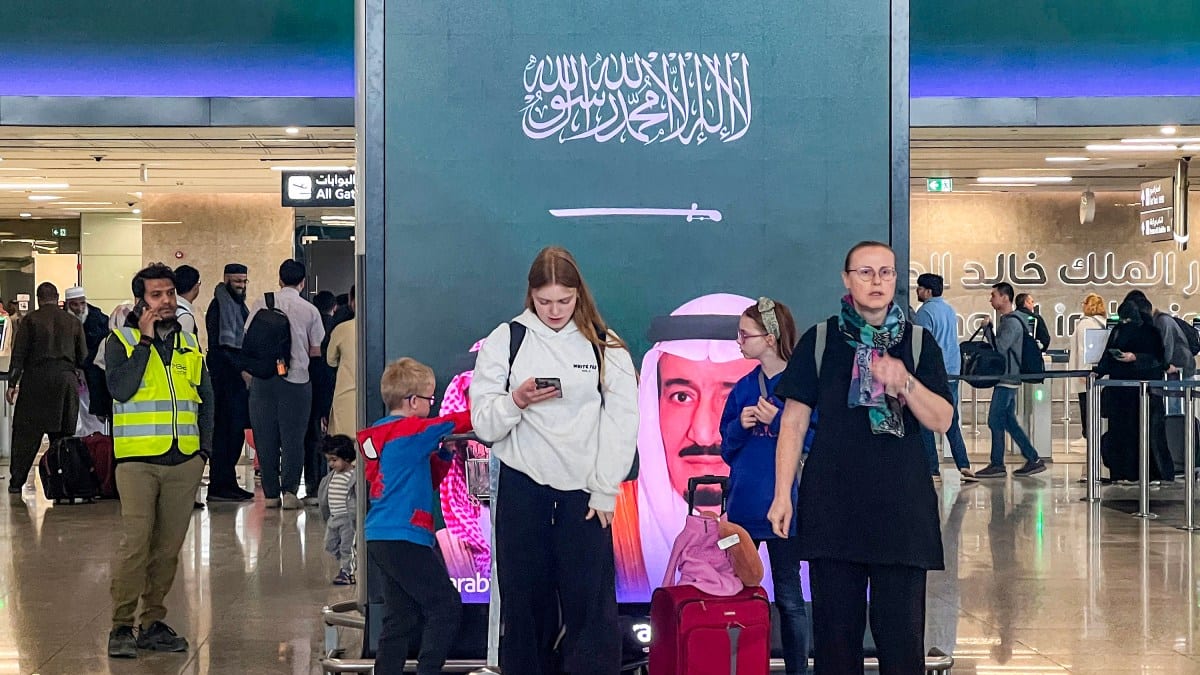
Image by newsweek.com
Worldwide Caution Highlights Broader Security Concerns
A recently updated worldwide caution from the U.S. government advises Americans to exercise increased vigilance in many destinations, reflecting what publicly available information describes as a complex and unpredictable security environment. The notice points to a heightened risk of terrorism and potential targeting of U.S. interests abroad, including locations frequented by travelers.
The updated guidance, issued in late March 2026, encourages U.S. citizens to carefully review country-specific travel advisories before departure and to monitor security alerts while overseas. The message underscores that threats can emerge or escalate with little warning, affecting commercial flights, border crossings, and access to consular services.
Travel analysts note that worldwide cautions are not new, but the timing of the latest notice coincides with a series of regional crises and targeted warnings, particularly across the Middle East. For leisure travelers, the advisory does not impose blanket restrictions but signals that risk levels may shift rapidly, even in destinations that have traditionally been viewed as stable.
Publicly available guidance continues to emphasize routine precautions such as avoiding large gatherings, maintaining a low profile, and having contingency plans in case of disruptions. Travelers are also being urged to ensure that family members know how to reach them and that emergency contact information is up to date.
Sharp Escalation in Warnings for the Middle East
The most acute concerns currently center on the Middle East, where a combination of military tensions and direct threats against U.S.-linked sites has prompted new and more urgent alerts. A dedicated Middle East information page on the main U.S. travel advisory portal, updated on March 30, 2026, highlights elevated security risks for Americans in several countries in the region.
Recent reporting from international and regional outlets describes missile and drone activity linked to the ongoing conflict with Iran, with some incidents affecting or targeting areas that host U.S. facilities. Coverage of Iranian strikes in late February on Bahrain, which hosts the U.S. Fifth Fleet, indicates that warnings were issued locally for Americans to avoid certain public locations in the capital and to limit non-essential movements.
Additional alerts have focused on Saudi Arabia, where news coverage on April 1, 2026, describes a new warning advising Americans to remain indoors in response to what are described as credible threats against locations associated with U.S. nationals. Reports indicate that this warning followed statements attributed to Iran’s Revolutionary Guard about potential attacks on U.S.-linked companies and sites across the region.
As a result, Americans with plans to transit major regional hubs or to travel onward to nearby destinations are being encouraged by publicly available guidance to build in extra flexibility, monitor local media, and be prepared for rapid changes to flight schedules and local security measures.
New Level 3 Advisory for the United Arab Emirates
One of the most significant shifts for leisure and business travelers is the new Level 3: Reconsider Travel advisory for the United Arab Emirates, effective April 1, 2026. Travel industry coverage notes that this change is directly linked to the wider regional conflict and the risk of drone and missile attacks, even though many attempted strikes have reportedly been intercepted before reaching populated areas.
Publicly available information indicates that airports and airspace in Dubai and Abu Dhabi have experienced intermittent disruptions since February, with some carriers canceling or rerouting flights at short notice. A recent analysis in Condé Nast Traveler, for example, describes a period of severe flight disruption followed by a partial resumption of operations, while stressing that the situation remains fluid.
Travel-focused outlets such as Travel And Tour World report that the U.S. advisory for the UAE urges Americans to reconsider non-essential trips due to security risks and the possibility of further interruptions to air travel and consular services. Some reports also reference local regulations that restrict taking or sharing images of military activity or incident sites, with potential penalties that can include fines, detention, or deportation.
For travelers who still choose to visit the UAE, industry guidance recommends closely tracking airline communications, avoiding airport trips without confirmed bookings, and maintaining awareness of local rules on photography and social media. Travel insurance providers may also treat Level 3 advisories as a factor in coverage decisions, particularly for trip cancellation or interruption claims.
Health and Policy Factors Add to the Risk Calculus
Security risks are not the only concern shaping current travel warnings for Americans. Public health advisories continue to evolve, with the U.S. Centers for Disease Control and Prevention recently issuing a global travel notice related to rising dengue activity in multiple regions. Media reports from late March describe this as a Level 1 notice, encouraging standard precautions against mosquito bites rather than restricting travel.
The dengue notice arrives alongside ongoing conversations about broader immigration and travel policies under the current U.S. administration. Coverage of recent policy announcements highlights expanded visa restrictions and bond requirements for some foreign nationals entering the United States, which in turn can affect family and business travel patterns for Americans with ties to those countries.
While these policy measures do not restrict outbound travel for U.S. citizens, they may influence connecting itineraries, availability of flights, and willingness of some travelers to route through particular hubs. Analysts note that changes in visa regimes and reciprocal measures by other governments can quickly affect demand and capacity on international routes.
Taken together, the combination of security, health, and policy factors means that Americans planning trips in 2026 face a more complex risk assessment than in previous years. The latest public guidance stresses that travelers should weigh personal risk tolerance, review destination-specific advisories, and prepare backup plans for transportation and accommodation.
What Travelers Can Do Before and During a Trip
For Americans trying to interpret the recent wave of warnings, travel experts point to a few practical steps that can help reduce exposure to risk. Publicly available advisories recommend that travelers begin by checking the official travel advisory level for their destination, reviewing any recent security alerts, and understanding whether the guidance is focused on specific regions, cities, or types of activity.
Travelers are also urged by many consumer and industry sources to register their trips with the appropriate enrollment programs, which can assist in receiving alerts and, in some cases, facilitate contact during an emergency. Keeping digital and paper copies of passports, visas, and insurance documents is widely recommended, as is preparing a basic emergency kit with essential medications and a backup power source for phones.
On the ground, security specialists advise minimizing time in high-profile locations that may be associated with Western interests, staying attuned to surroundings, and promptly leaving areas where crowds or tensions appear to be building. In higher-risk regions such as parts of the Middle East, travel publications stress the importance of following local instructions on sheltering in place, curfews, and movement restrictions.
Ultimately, the new travel warnings do not halt international mobility for Americans, but they do signal that conditions can change quickly. Those who continue with upcoming trips may need to invest more time in pre-departure research, contingency planning, and ongoing situational awareness to navigate an increasingly unsettled global environment.