

More news on this day
As American travelers look ahead to 2026, a fresh set of state-level hospitality stars is emerging, with New Jersey stepping into the spotlight alongside established heavyweights such as Texas, Florida, California, Arizona and North Carolina.
From record-setting visitor numbers and new luxury openings to community-focused stays and revamped coastal destinations, these states are positioning themselves as the country’s most compelling places for travelers seeking genuine welcome, memorable accommodations and experiences that feel tailored rather than transactional.
More News
- Caribbean Travel to U.S. Upended by New Visa Freezes and Expanded Bans
- Mexico Restores E-Visas for Brazilians, Paving the Way for Borderless Tourism
- Philippine Airlines Joins Regional Carriers Powering Southeast Asia’s Tourism Boom
New Jersey Steps Onto the National Hospitality Stage
New Jersey’s tourism profile has shifted markedly in the past few years, and 2026 is shaping up as a breakout moment. Traditionally overshadowed by nearby New York and Philadelphia, the Garden State has invested heavily in its shore towns, arts districts and hotel stock, turning what was once a drive-through territory into a destination in its own right. From Cape May’s meticulously restored Victorian inns to sleek new properties rising near Newark Liberty International Airport, travelers are finding that New Jersey’s welcome is both warmer and more sophisticated than many remember.
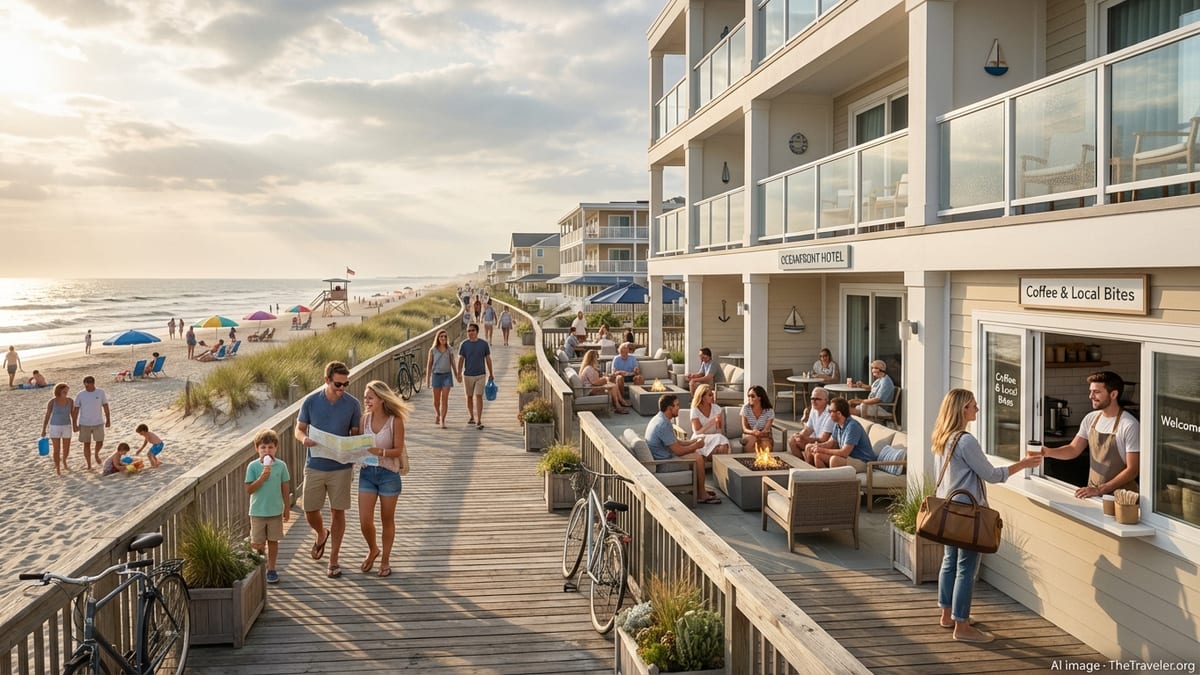
Along the Atlantic coast, major renovations in oceanfront communities have upgraded everything from classic motels to boutique hotels, adding curated food programs, expanded outdoor lounges and family-friendly amenities such as splash pads and kids’ clubs. Inland, New Jersey’s small cities are courting visitors with new branded hotels and independent properties close to performing arts centers, arenas and emerging food scenes. In many communities, hospitality operators are partnering with local businesses to spotlight neighborhood restaurants, galleries and tours at check-in, turning stays into gateways for deeper exploration.
Accessibility is another advantage propelling New Jersey up the rankings for 2026. With three major airports within or directly bordering the state and strong rail links along the Northeast Corridor, travelers can easily combine a New Jersey stay with broader regional itineraries. This connectivity has attracted new investment from national and international hotel groups, which see an opportunity to reach both leisure guests and business travelers who want convenient access to major cities without sacrificing comfort or character.
Crucially, New Jersey’s hospitality growth is aligning with traveler demand for authenticity. Rather than chasing only high-end luxury, many new and renovated properties are leaning into neighborhood stories, local architecture and shore-town traditions. It is this blend of genuine local flavor with modern service standards that is putting New Jersey on the same short list as long-celebrated destinations in the South and West.
Texas Hospitality Booms From Hill Country to Big Cities
Texas enters 2026 after several years of powerful tourism momentum and reputational gains in hospitality. State leaders highlight travel as a key economic engine, and recent figures underline that message: tens of millions of visitors generated record spending in 2024, with travel and tourism supporting well over a million jobs statewide. That economic impact is driving a wave of new hotel projects and experience-focused stays that showcase what many visitors describe as classic Texas warmth.
In the Texas Hill Country, wine tourism is reshaping the lodging landscape. Towns like Fredericksburg, once known primarily for bed-and-breakfasts and small inns, are seeing an influx of upscale hotel brands and mixed-use developments designed around vineyards, tasting rooms and spa offerings. Recent reports detail at least several hundred new rooms planned there through the next few years, including luxury hotels that promise chef-driven restaurants and resort-style amenities to match the region’s reputation as one of the country’s most important wine areas.
Urban destinations are keeping pace. Austin continues to add boutique and lifestyle hotels clustered around live music hubs and tech corridors, while Dallas and Houston are investing in convention-oriented properties that also appeal to weekend leisure travelers. San Antonio, with its River Walk and missions, is leaning into cultural tourism with new hotels in historic buildings and upgraded riverfront properties. Across these markets, operators are emphasizing personalized service, local art and design, and flexible spaces that make it easy for visitors to blend work and leisure.
For travelers seeking memorable stays in 2026, Texas offers a wide spectrum: ranch retreats where guests can participate in outdoor adventures by day and enjoy firepit dinners by night, high-rise hotels with skyline pools in major cities, and wine-country lodges that combine tasting flights with wellness programming. Throughout, the common thread is an approach to hospitality that prioritizes friendliness, generosity and a sense of place.
Florida’s Record Tourism Fuels Service-Forward Stays
Florida heads into 2026 as one of the undisputed leaders in American tourism, backed by record visitation and consistently strong hotel performance. State officials reported that 2024 brought the highest tourism numbers in Florida’s history, with more than 140 million visitors and a surge in both domestic and international arrivals. Fresh data from 2025 shows that quarterly visitor counts continue to break records, reinforcing Florida’s status as a national benchmark for large-scale hospitality.
That strength is evident in the lodging sector, where hotel occupancy and average daily rates have risen alongside room demand. Major resort markets such as Orlando, Miami, the Florida Keys and the Gulf Coast are not only adding new properties but also investing in service training, technology upgrades and expanded on-site programming. Many resorts are refining concierge services, rolling out mobile check-in and contactless amenities, and introducing small touches like complimentary experiences for children or curated local excursions that turn a standard stay into a standout memory.
Smaller coastal communities and inland towns are also stepping up. Boutique hotels and renovated motels along quieter stretches of Atlantic and Gulf shoreline are focusing on personal welcome, with staff who can recommend hidden beaches, nature trails and locally owned restaurants. In central and north Florida, glamping sites, eco-lodges and riverfront cabins cater to travelers who want the state’s natural beauty without sacrificing comfort, pairing guided paddling trips and wildlife viewing with soft linens, strong coffee and attentive, on-site hosts.
Weather-related disruptions in recent years have pushed Florida’s hospitality sector to prioritize resilience and guest communication. Many hotels now maintain detailed contingency plans and transparent information channels around storm seasons, reassuring travelers that their safety and comfort remain the top priorities. The outcome for visitors in 2026 is a state where high-volume tourism coexists with an increasingly thoughtful, guest-centric approach to service.
California Reinvents Coastal, Urban and Wine Country Hospitality
California, long synonymous with dream vacations, is heading into 2026 with a renewed focus on hospitality that feels both aspirational and inclusive. After several years of adjustment in the travel industry, the state’s key tourism regions are refocusing on the fundamentals that made them famous: attentive service, distinctive properties and a seamless blend of outdoor and cultural experiences. From Pacific Coast retreats to wine country estates and city-center hotels, visitors are finding that California’s welcome is evolving in sophisticated ways.
Along the coast, new openings and upgrades emphasize restorative stays. Boutique hotels in beach towns are trading standard lobbies for light-filled lounges, offering guests sunrise yoga, surf lessons, and partnerships with local cafés and bakeries. Coastal resorts are expanding wellness programs with spa treatments, meditation spaces and nature-immersion experiences that encourage guests to linger. This focus on well-being is paired with elevated dining, with many properties spotlighting regional ingredients and sustainable seafood in both casual and fine-dining settings.
California’s wine regions, including Napa, Sonoma and emerging areas in the Central Coast, continue to set a high bar for hospitality. Vineyard resorts and countryside inns are designing experiences around connection, from intimate tasting seminars and barrel-room dinners to guided vineyard walks led by winemakers. Lodging ranges from intimate, design-forward inns to full-service luxury resorts, but across the spectrum, guests can expect staff who are prepared to personalize itineraries around both wine and non-wine activities such as hiking, cycling and art tours.
In the state’s major cities, hospitality is leaning into distinct neighborhood identities. Hotels in Los Angeles, San Francisco and San Diego are partnering with local artists, hosting cultural events, and curating in-room guides that help guests plug into the city beyond the usual tourist spots. With upgraded public spaces, rooftop lounges and flexible co-working areas, many of these properties are designed to support modern travelers who mix business and vacation, providing comfort, connectivity and local insight in equal measure.
Arizona and North Carolina Win Travelers With Warmth and Character
Arizona and North Carolina, though geographically and culturally distinct, share a growing reputation for hospitality that is both approachable and highly memorable. Both states are emerging as top choices for travelers looking beyond the most obvious national destinations, offering standout scenery, strong culinary scenes and a level of personal attention that frequently surprises first-time visitors.
In Arizona, desert resorts near Phoenix, Scottsdale and Tucson continue to evolve into full-fledged destination experiences. Iconic properties are refreshing guest rooms and public spaces with modern desert design while expanding spas, golf courses and outdoor programming. Stargazing sessions, guided hikes, indigenous cultural experiences and chef-led dinners have become commonplace, transforming resort stays into immersive introductions to the Sonoran landscape. Smaller towns in northern Arizona, including Flagstaff and communities near the Grand Canyon and red-rock country, are also upgrading lodging with new boutique hotels and thoughtfully managed vacation rentals.
North Carolina is earning praise for its variety and its sense of welcome, from the Blue Ridge Mountains to the Piedmont cities and the Outer Banks. In and around Asheville, mountain lodges and historic hotels emphasize craft beverages, farm-to-table dining and live music, while also serving as bases for hiking, waterfall visits and scenic drives. Charlotte and Raleigh are adding urban hotels that weave local art, Southern cooking and rooftop social spaces into the guest experience. Along the coast, family-run inns and beach rentals continue to be a draw, with owners often living on-site or nearby, ready with insider tips on everything from fishing spots to sunrise photo locations.
For 2026 travelers comparing options, these two states exemplify a style of hospitality that hinges on character. Properties often highlight local artisans, producers and guides, and staff are encouraged to share their personal favorites rather than relying solely on standard brochures. The result is that visitors leave not just with photos of desert sunsets or mountain vistas but with stories of conversations and moments of kindness that define great hospitality.
Why New Jersey Now Ranks With America’s Hospitality Powerhouses
New Jersey’s inclusion alongside Texas, Florida, California, Arizona and North Carolina as one of the best U.S. destinations for hospitality in 2026 reflects a confluence of trends rather than a single marquee attraction. Travelers are increasingly seeking stays that feel effortless and considerate, especially as they balance complex schedules, multi-generational trips and rising travel costs. States that can reliably deliver friendly service, well-maintained accommodations and a sense of discovery are rising to the top of many shortlists.
Within New Jersey, that means more than just polished beachfront hotels. Shore towns are investing in boardwalk improvements, public spaces and event programming designed to spread visitor activity throughout the year. Small businesses, from coffee shops to kayak outfitters, are working closely with local lodging providers, often sharing discount codes or combined experiences that make guests feel looked after from the moment they arrive. In cities and suburbs, new and renovated hotels are prioritizing quiet rooms, efficient check-in and thoughtful design details that cater to both leisure and business travelers.
Another factor is value. Compared with some of the country’s highest-priced resort regions, New Jersey can often offer more space, easier access to attractions and lower nightly rates while still delivering a high standard of hospitality. For families planning summer vacations, couples seeking weekend getaways and international visitors interested in the broader Mid-Atlantic region, this balance of affordability and experience is compelling. It allows guests to invest more of their budget in activities, dining and special moments rather than purely in lodging costs.
As traveler preferences continue to evolve, New Jersey and its peer destinations are watching one another closely. Innovations that succeed in one state, such as experiential packages, neighborhood partnerships or sustainability-focused guest programs, are quickly adopted elsewhere. In this competitive landscape, the Garden State’s growing commitment to guest experience is positioning it not just as a convenient alternative to neighboring metros but as a destination where hospitality is becoming part of its modern identity.
FAQ
Q1. Why is New Jersey being highlighted among the top U.S. hospitality destinations for 2026?
New Jersey is gaining recognition because of sustained investment in its shore towns, small cities and airport-adjacent districts, combined with a noticeable improvement in service standards and property quality. Travelers are discovering upgraded hotels, revitalized boardwalks and a more personalized, locally grounded style of welcome that compares favorably with long-established tourism states.
Q2. How does Texas stand out for hospitality compared with other states?
Texas distinguishes itself through range and scale, offering everything from luxury urban hotels and convention properties to wine-country resorts and ranch retreats. The state’s tourism growth has encouraged significant new investment, especially in areas like the Hill Country, and visitors often point to the warmth and informality of Texan service as a defining feature.
Q3. What recent trends make Florida a leader for memorable stays in 2026?
Florida’s sustained record visitor numbers have gone hand in hand with rising hotel occupancy and room demand, prompting resorts and hotels to sharpen their focus on guest experience. Enhanced concierge services, better communication around weather, expanded family programming and a growing variety of boutique stays away from the main resort corridors all contribute to more memorable visits.
Q4. In what ways is California reinventing its hospitality offerings?
California is refining hospitality around well-being, local culture and flexible travel patterns. Coastal hotels are adding wellness and outdoor activities, wine country properties are deepening experiential programs around vineyards and cuisine, and city hotels are tapping into neighborhood art, food and nightlife scenes. Travelers benefit from stays that feel more integrated with the places they visit.
Q5. Why are Arizona and North Carolina included among the best states for hospitality in 2026?
Both states have developed reputations for service that feels personal and grounded in local character. In Arizona, desert and canyon resorts pair luxury with nature-centric experiences, while in North Carolina, mountain, city and coastal properties highlight regional food, music and outdoor access. Guests often report that conversations with staff and hosts are among their favorite memories.
Q6. What types of travelers are choosing New Jersey over nearby big-city destinations?
New Jersey is attracting families seeking classic beach vacations, couples looking for coastal weekends, business travelers who want easy airport access, and international visitors using the state as a base for exploring the wider Northeast. Many appreciate the ability to enjoy quieter stays with strong hospitality while still being within reach of major cultural and sporting events in neighboring cities.
Q7. Are these states focusing more on luxury or on affordable hospitality?
All of these states offer luxury options, but a key trend for 2026 is attention to quality across price points. Midscale hotels, renovated motels, vacation rentals and boutique properties are enhancing service and amenities, ensuring that memorable hospitality is not limited to the most expensive stays.
Q8. How are local communities benefiting from this hospitality growth?
Communities gain through job creation, support for small businesses and investment in public spaces that serve both residents and visitors. Partnerships between hotels, restaurants, tour operators and cultural institutions help spread tourism spending more evenly, while improvements to infrastructure, waterfronts and downtown areas can enhance quality of life for locals.
Q9. What should travelers expect in terms of service when visiting these destinations in 2026?
Travelers can generally expect more personalized recommendations, better digital tools for managing reservations and check-in, and staff trained to respond quickly to questions and issues. In many properties, there is a renewed emphasis on local storytelling, thoughtful design and small gestures that signal genuine care for guests’ comfort and time.
Q10. How can visitors make the most of hospitality offerings in New Jersey and its peer states?
Guests can maximize their experience by booking properties that align with their interests, whether that means beach proximity, wine tourism, city culture or outdoor adventure. Asking staff for local suggestions, exploring beyond headline attractions, and planning stays that allow time to linger rather than rush between sights can all help travelers fully appreciate the hospitality these states are working hard to deliver.