

More news on this day
East Japan Railway Company has expanded its JR EAST PASS (Tohoku area), giving international visitors new flexibility to explore one of Japan’s most scenic and historically rich regions by rail.
Get the latest news straight to your inbox!
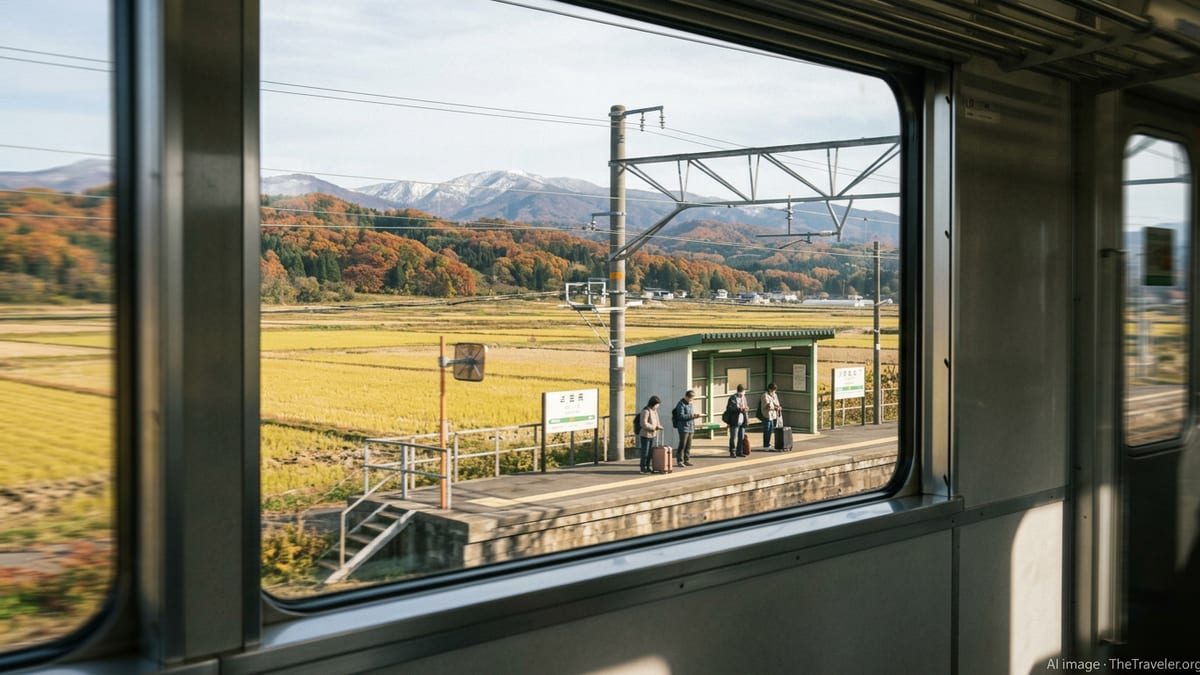
A New 10-Day Option for Slow, In-Depth Travel
Publicly available information from JR East shows that the JR EAST PASS (Tohoku area), traditionally offered as a five-day product, is now also available in a 10-day version designed for longer stays. The extended pass targets global travelers who want to move beyond quick stopovers and instead spend more time in smaller cities, hot-spring towns and rural communities across northeastern Japan.
The Tohoku-focused pass provides unlimited travel on JR East lines within the designated area, including Shinkansen and limited express services, for either five or ten consecutive days. Reports indicate that the 10-day option was introduced in response to growing demand from visitors who wanted a more relaxed pace, with time to revisit favorite spots or add side trips without recalculating ticket costs.
Pricing published by JR East lists the five-day version at 30,000 yen for adults and 15,000 yen for children, while the 10-day pass is set at 48,000 yen for adults and 24,000 yen for children. The product is available to holders of passports issued outside Japan, and can be purchased overseas through travel agents and online distributors, or inside Japan at major stations and airports within the coverage area.
JR East has also announced that sales of the current Tohoku-area pass will end on March 13, 2026, ahead of a broader restructuring of its rail passes. For now, however, the expanded Tohoku offer remains a key tool in drawing visitors north from Tokyo into a region that many travelers still overlook.
From Tokyo to Tohoku’s Iconic Landscapes
The JR EAST PASS (Tohoku area) links Tokyo with a string of destinations known for dramatic coastlines, volcanic peaks and seasonal scenery. From the capital, travelers can board the Tohoku Shinkansen and reach gateway cities such as Sendai, Morioka and Aomori in a matter of hours, with the pass covering both reserved and non-reserved seats in ordinary cars on eligible trains.
Once in Tohoku, the network opens access to landscapes that change dramatically by season. In spring, the rail lines carry visitors to cherry blossom spots in places like Fukushima and Miyagi, where riverside embankments and castle parks turn pink for a brief period each year. Summer brings deep green rice paddies, mountain hiking routes and coastal breezes along the Pacific side of the region.
Autumn is one of the peak seasons for Tohoku, and the pass allows travelers to chase foliage from highland onsen areas in Iwate and Akita to lake shores and gorges in Aomori and Yamagata. In winter, the same rail corridors lead to ski resorts, snow-covered temples and famous hot-spring towns, with frequent services helping visitors move even when roads are affected by heavy snowfall.
Because the pass is valid on consecutive days, travel observers note that it favors itineraries that string together multiple bases rather than single long stays. Even so, the expanded 10-day window gives visitors more breathing room to wait out bad weather, return to a favorite onsen or add a detour for a seasonal festival without losing overall travel value.
Layered History Along the Rails
Beyond scenery, the Tohoku rail network connects sites that reflect centuries of Japanese history, from feudal castles and samurai districts to wartime memorials and post-disaster reconstruction zones. The pass’s coverage includes access to regional lines and connecting services that bring travelers into historic centers that are less crowded than more familiar destinations in Kyoto or Nara.
In Miyagi and Iwate, visitors can ride JR East trains to coastal communities that were heavily affected by the 2011 Great East Japan Earthquake and tsunami. According to regional tourism coverage, rail-linked museums, memorial parks and new townscapes along the Sanriku Coast now form part of itineraries that combine remembrance with visits to fishing ports, seafood markets and scenic cliffs.
Farther inland, castle towns in Fukushima, Yamagata and Akita prefectures are reachable with combinations of Shinkansen and local services covered by the pass. Many of these centers preserve samurai residences, stone walls and historic streets, while also offering modern museums and art spaces inside walking distance of the station, making them practical day trips.
At the northern end of the region, the pass’s reach to Aomori and its surroundings puts travelers within range of World Heritage sites, ancient archaeological locations and traditional festivals known for large illuminated floats. Publicly available travel guides highlight how using the pass can reduce the cost of revisiting a city outside its main festival dates, when accommodations are easier to secure and crowds are smaller.
Practical Coverage and Connectivity for Global Travelers
JR East’s official materials note that the JR EAST PASS (Tohoku area) covers not only JR East railway lines but also several partner routes, including the Tokyo Monorail access to Haneda Airport and specific private railways within the region. The pass also extends to some JR bus lines in Tohoku, although highway buses and certain routes remain excluded, so travelers are advised to verify coverage when planning longer transfers.
The ability to start travel from major airports and hubs is particularly significant for first-time visitors. With the pass in hand, travelers can arrive in Tokyo, activate their validity period, and then use high-speed and local trains to reach regional bases such as Sendai or Morioka without needing separate long-distance tickets. For those returning to Tokyo at the end of their journey, the pass can also cover the final leg back to the capital within the chosen five- or ten-day window.
Seat reservations on eligible Shinkansen and limited express services are included at no additional charge, subject to the conditions set by JR East. This feature is seen as a key advantage during busy travel periods, when securing seats in advance is essential for comfort on long journeys. Reservations can typically be made at ticket offices and designated machines inside stations covered by the pass.
Travel industry analysis suggests that the 10-day option, in particular, aligns with a wider trend of visitors combining Tokyo stays with extended regional travel. As air connectivity to Japan grows and new hotel openings spread beyond traditional hotspots, passes that bundle long-distance rail and local connections are becoming central to how international travelers structure itineraries.
Looking Ahead to a New Generation of JR East Passes
The expanded JR EAST PASS (Tohoku area) arrives at a moment of transition. Press releases and travel media reports indicate that JR East is preparing to replace its current area-specific passes, including the Tohoku and Nagano-Niigata products, with a new JR EAST PASS covering a wider network from March 14, 2026. The existing Tohoku-focused pass will remain on sale until March 13, 2026, meaning that travelers visiting before that date can still choose between the regional pass and other available options.
According to recent coverage, the upcoming all-line JR EAST PASS will offer a different set of prices and conditions, reflecting broader efforts to manage rising demand, infrastructure costs and shifting travel patterns. For visitors specifically interested in Tohoku’s landscapes and heritage, the current JR EAST PASS (Tohoku area) is being framed by travel advisers as a time-limited opportunity to focus rail travel and spending on a single region.
Regional tourism organizations have been working to promote Tohoku as a “second or third trip” destination for repeat visitors to Japan, as well as a quieter alternative for first-timers who want to avoid the busiest urban corridors. The combination of high-speed rail access, broad coverage and the choice between five- and ten-day validity is now playing a prominent role in that strategy.
As Japan continues to welcome rising numbers of international travelers, the Tohoku rail pass illustrates how regional connectivity and pricing structures can influence where visitors go and how long they stay. For global travelers seeking a life-changing journey through landscapes and history far from the country’s most familiar icons, the current JR EAST PASS (Tohoku area) offers a defined window to experience northeastern Japan with unusual depth and flexibility.