

More news on this day
Vietnam’s Central Highlands are preparing for a surge in visitors in 2026 as new and expanded air links, upgraded airport infrastructure and a packed National Tourism Year program put Gia Lai province on the radar of South Korean holidaymakers.
Get the latest news straight to your inbox!
National Tourism Year 2026 Puts Gia Lai in the Spotlight
Gia Lai has been selected to host Vietnam’s National Tourism Year 2026, a flagship program that is expected to draw sustained domestic and international attention to the Central Highlands throughout the year. Publicly available planning documents describe the theme as highlighting the province’s blend of highland culture, natural landscapes and coastal connections, while emphasizing sustainability and green growth.
The tourism year framework outlines a calendar that runs from March through late 2026, featuring a mix of cultural festivals, sports events and travel fairs. Reports indicate that activities will be staged not only in Gia Lai’s capital Pleiku but also across key landscapes such as Bien Ho (Pleiku Lake), Chu Dang Ya volcano and nearby nature reserves, positioning the province as a hub for both eco and cultural tourism.
Vietnamese tourism authorities have identified South Korea as one of the country’s strongest outbound markets in recent years, and planners are expected to leverage the National Tourism Year brand to deepen promotion in Seoul and other Korean cities. Industry analysis notes that Korean visitors are increasingly seeking cooler climates, outdoor recreation and lesser-known destinations, trends that align closely with Gia Lai’s highland setting.
The National Tourism Year is also being framed as a chance to strengthen regional integration, with Gia Lai promoting itineraries that connect the Central Highlands to the South Central Coast and neighboring countries via existing road corridors. For Korean travelers flying into coastal airports and transferring inland, this opens the prospect of combining beach breaks with cooler highland stays in a single trip.
Pleiku Airport Upgrades and New International Connectivity
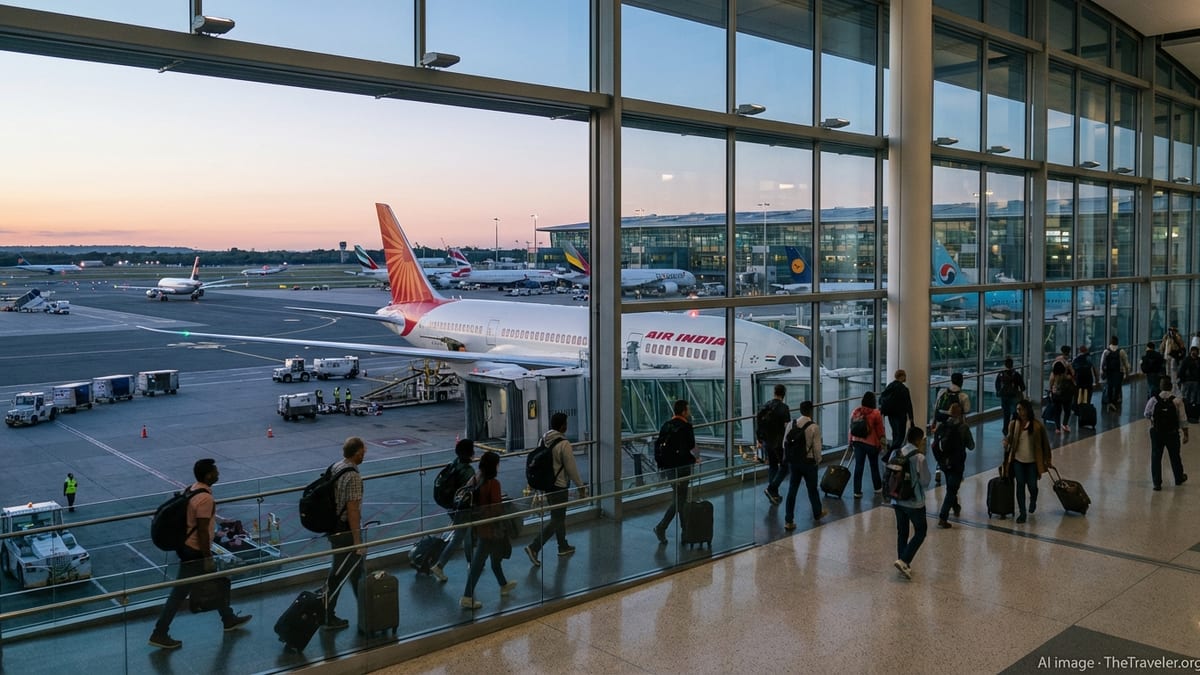
At the center of Gia Lai’s tourism ambitions is Pleiku Airport, which is undergoing a significant capacity upgrade. According to recent transport sector coverage, investment plans call for the terminal and runway system to be expanded so the facility can handle around 4 million passengers per year in the medium term, with further growth targeted by 2050. The upgrade is designed to support higher flight frequencies and larger aircraft than the current domestic focused operation.
In preparation for the 2026 tourism push, provincial authorities have formally requested Vietnam’s aviation regulators and airlines to increase services to both Pleiku and nearby Phu Cat Airport in neighboring Binh Dinh. The proposal, highlighted in local media in March 2026, specifically targets the opening period of the National Tourism Year, when visitor numbers are expected to spike and additional night-time slots are being considered to ease congestion.
While Pleiku has historically been served almost exclusively by domestic routes from Hanoi, Ho Chi Minh City and Da Nang, airline booking platforms now show through-ticketing options between South Korea and Gia Lai using domestic connections within Vietnam. South Korean travelers can reach Pleiku via hubs such as Ho Chi Minh City or Quy Nhon, where international services to Seoul and other Korean gateways are already established.
Industry observers note growing speculation that charter or seasonal international flights between South Korea and Pleiku could be tested if demand during National Tourism Year events meets expectations. Aviation planners view the airport expansion as a necessary precondition for any direct or quasi-direct services, particularly for Korean low-cost carriers that have aggressively expanded in coastal Vietnam and may now look inland for new routes.
South Korean Market Drives Central Highlands Demand
South Korea remains one of Vietnam’s largest sources of international visitors, and travel industry data show that Korean arrivals have rebounded strongly since borders reopened, with particular strength in beach destinations such as Da Nang and Nha Trang. Tourism analysts suggest that as coastal markets mature, the Central Highlands are emerging as a logical next step for Korean travelers seeking fresh experiences.
Gia Lai and neighboring provinces have been promoting joint investment and tourism cooperation with South Korean partners through trade conferences and regional forums. Publicly available information from recent meetings in the Central Highlands indicates a growing focus on Korean investors in agriculture, renewable energy and hospitality, which in turn supports new resort and tour developments targeting Korean guests.
For Korean visitors, the Central Highlands offers a markedly different atmosphere from the country’s established coastal resorts. Cooler temperatures, pine forests and volcanic plateaus around Pleiku contrast with Vietnam’s tropical beaches, while coffee plantations and indigenous minority villages add cultural depth. This combination is being actively marketed as an alternative short-haul break within four to five hours’ total flying time from major Korean cities when including a domestic connection.
Travel agencies in both countries are beginning to package Central Highlands itineraries that link Korean gateway airports to Pleiku via coastal hubs. Sample products highlighted in industry media pair nights on Binh Dinh’s beaches or in Quy Nhon with excursions to Bien Ho, Chu Dang Ya volcano, Kon Ka Kinh National Park and village homestays around Pleiku, giving Korean travelers a taste of both sea and highlands in a single trip.
Scenic Assets and New Experiences in Gia Lai
Gia Lai’s tourism appeal rests heavily on its landscapes and intangible heritage. The province is home to Kon Ka Kinh National Park, recognized as an ASEAN Heritage Park, and to parts of the Central Highlands Gong Cultural Space, which UNESCO inscribed as an intangible cultural heritage element. Lake vistas at Bien Ho, the distinctive cone of Chu Dang Ya volcano and the forests around Kon Chu Rang Nature Reserve, including the remote K50 waterfall, have become emblematic images in travel promotions.
Eco-tourism and soft adventure are being highlighted in official tourism campaigns, with trekking, cycling, camping and waterfall visits positioned as signature activities. Local tourism strategies emphasize limits on visitor numbers in sensitive areas, improved safety measures along access roads and community-led conservation efforts designed to protect forest cover and wildlife while generating income for rural residents.
Alongside nature tourism, Gia Lai is promoting cultural experiences centered on ethnic minority communities, wooden stilt houses and gong performances. Community-based tourism projects are being developed in several districts, giving visitors the chance to participate in traditional weaving, coffee harvesting and village festivals. Public information campaigns stress the need for respectful engagement and fair revenue sharing, reflecting global concerns about the impact of tourism on indigenous cultures.
The province is also positioning Pleiku as a sports and events hub during 2026, with a series of marathons, youth football tournaments and martial arts festivals scheduled within the broader National Tourism Year. These events are expected to attract both domestic runners and international participants, including from South Korea, and to generate additional demand for flights into the Central Highlands.
Infrastructure, Climate Resilience and Sustainable Growth
Rapid tourism expansion in a highland environment poses challenges, and Gia Lai’s recent planning exercises have placed notable emphasis on infrastructure and climate resilience. The Central Highlands were affected by intense rainfall and flooding in late 2025, events that highlighted the vulnerability of mountain roads, rural bridges and trail networks that many tours rely on.
In response, provincial and national transport programs are prioritizing upgrades to key highways linking Pleiku with coastal ports and airports, as well as improvements to drainage, slope stabilization and early warning systems. Tourism operators are being encouraged to factor weather seasonality into itineraries and to communicate risks clearly to visitors, particularly during the late-year rainy period.
Energy and environmental considerations are also shaping the tourism model. Reports on Gia Lai’s development strategy highlight renewable power projects and forest protection targets, aiming to ensure that new resorts, lodges and transport services align with Vietnam’s broader emissions-reduction commitments. Promotion materials increasingly use language around low-impact travel, green accommodation standards and responsible trekking.
For South Korean travelers, these investments translate into more reliable access, safer journeys to remote sites and a clearer framework for choosing sustainable tour products. As new flights and expanded airport capacity open the Central Highlands to a wider audience in 2026, Gia Lai’s ability to balance growth with environmental stewardship is expected to be a key factor in sustaining its appeal as Vietnam’s rising mountain escape.